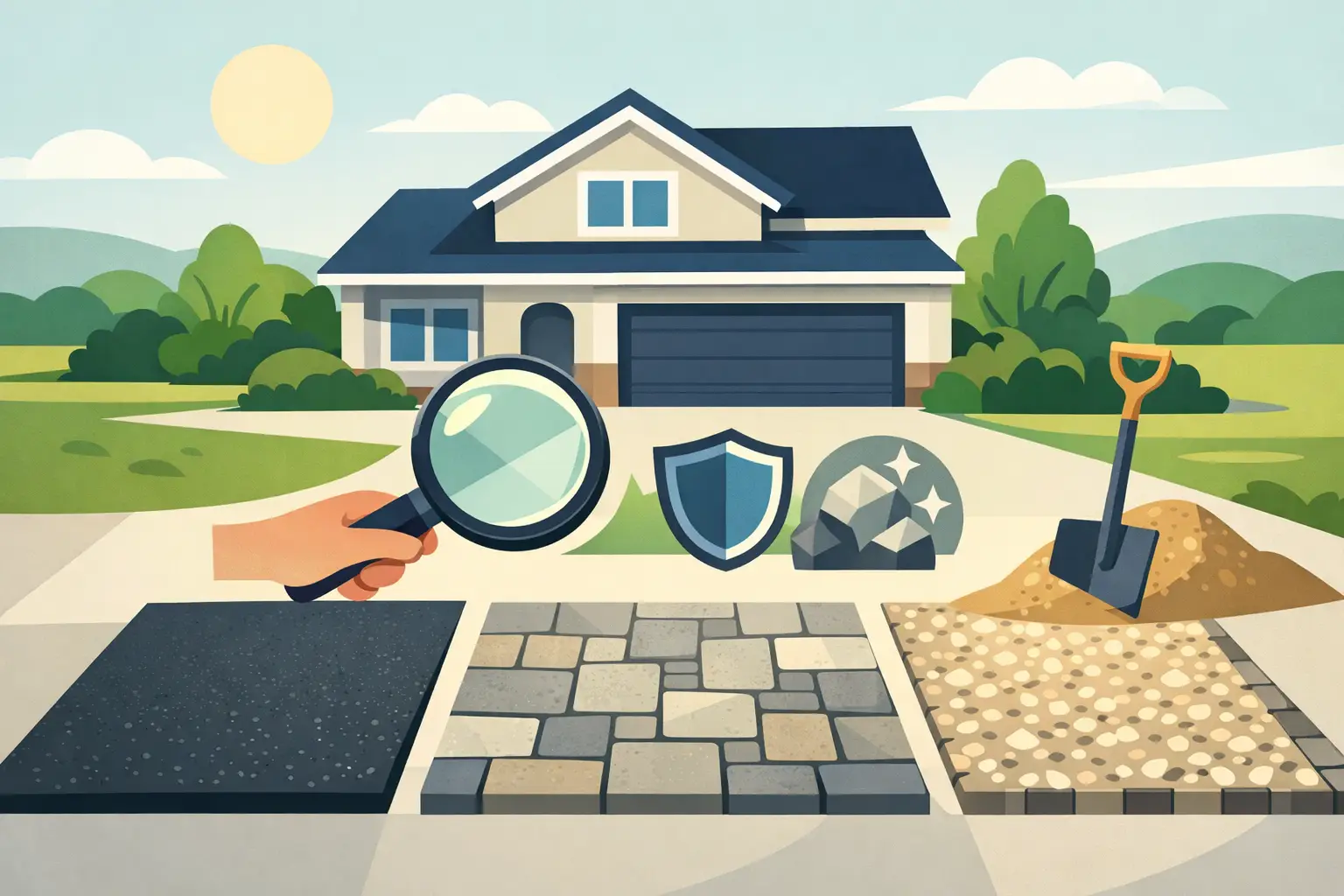
A driveway can look finished on installation day and still fail early if the material does not match the ground beneath it, the local weather, or the vehicles using it. Knowing how to choose driveway materials starts with more than picking a color or comparing a price per square foot. The right decision is about building a strong, lasting surface from the base up.
A residential driveway may only need to handle family vehicles, while a commercial entrance may see delivery trucks, frequent turning, and heavier loads. Both need proper grading, drainage, and base preparation. The surface material matters, but it can only perform as well as the foundation supporting it.
Start With How the Driveway Will Be Used
Traffic is one of the clearest ways to narrow down your options. Consider the weight of the vehicles, how often they use the driveway, and where they stop, turn, or sit for extended periods. Repeated pressure in the same area can cause rutting, cracks, or shifting when the surface and base are not designed for it.
For a typical home with cars, SUVs, and light pickup trucks, asphalt, concrete, and interlocking pavers can all be reliable choices when installed correctly. If trailers, work vans, RVs, dump trucks, or commercial vehicles will use the area, the project needs a heavier-duty design. That may mean a thicker asphalt lift, reinforced concrete, a stronger aggregate base, or changes to the driveway layout to reduce tight turning pressure.
Do not overlook access patterns. A long, straight driveway has different needs than a narrow entrance that receives frequent steering and braking. The edges of the drive also need support. Unsupported edges are more likely to crack, crumble, or spread under vehicle weight.
Factor in Climate, Soil, and Water
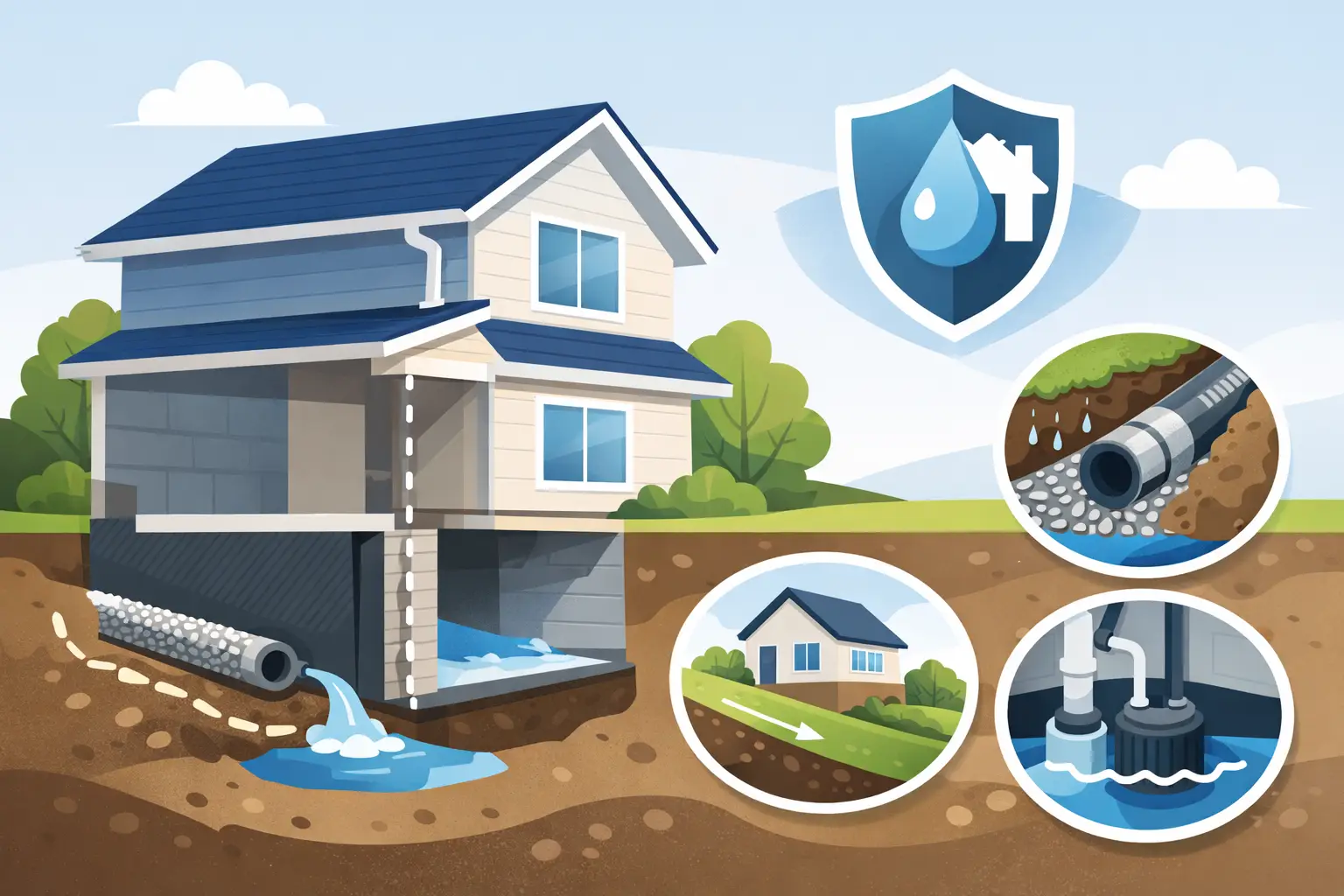
Water is one of the main causes of driveway damage. It enters cracks, softens the base, and can freeze and expand in cold conditions. Poor drainage can also direct water toward foundations, garages, walkways, and landscaped areas where it creates larger property problems.
Before selecting a surface, assess the slope of the property and the condition of the soil. Clay soils can hold water and move with seasonal moisture changes. Soft or poorly compacted ground may require excavation and a deeper, properly compacted stone base. In some cases, drainage improvements are the first priority, not the driveway finish.
A dependable driveway should shed water away from structures and avoid low spots where puddles collect. Swales, trench drains, catch basins, and appropriate grading may be needed depending on the site. This preparation protects the driveway investment and helps prevent moisture damage below the surface.
Asphalt for Smooth, Flexible Performance
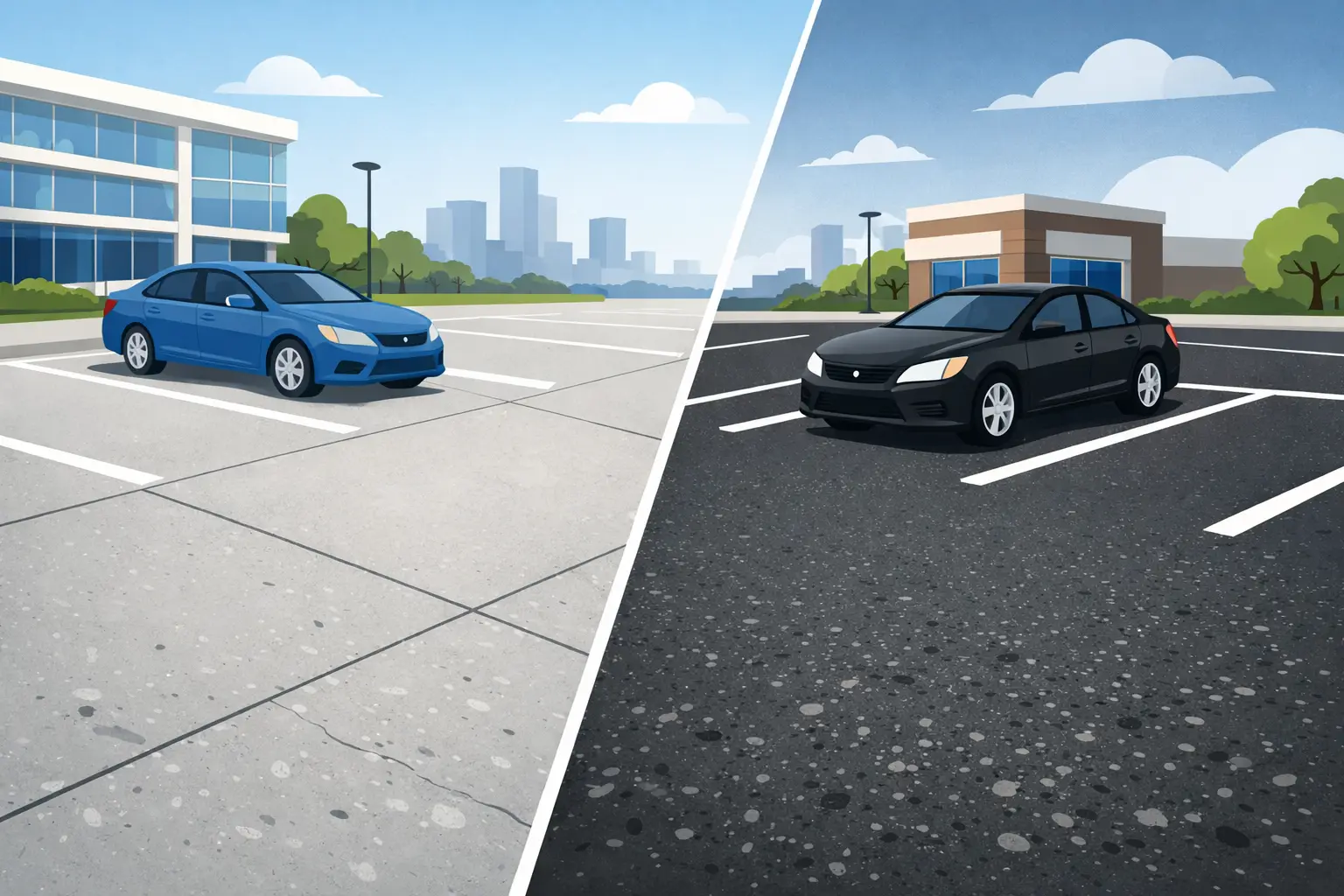
Asphalt is a practical choice for many residential and commercial driveways. It creates a smooth, dark finish, installs efficiently, and has enough flexibility to handle minor ground movement better than rigid surfaces. When the subbase is stable and drainage is controlled, asphalt provides dependable performance for daily traffic.
It does require routine care. Small cracks should be filled before water reaches the base, and seal coating can help protect the surface from weather, oxidation, and regular use. Asphalt may soften in intense heat and can be damaged by fuel or oil spills if they are left untreated. It is generally a strong value for property owners who want a durable surface with manageable maintenance needs.
Concrete for Strength and a Clean Finish
Concrete driveways offer a clean appearance and excellent load-bearing strength. They work well for homeowners who prefer a lighter surface color, defined edges, or decorative options such as broom finishes, exposed aggregate, or stamped patterns. Properly designed concrete can also be a good choice for areas that handle heavier vehicles.
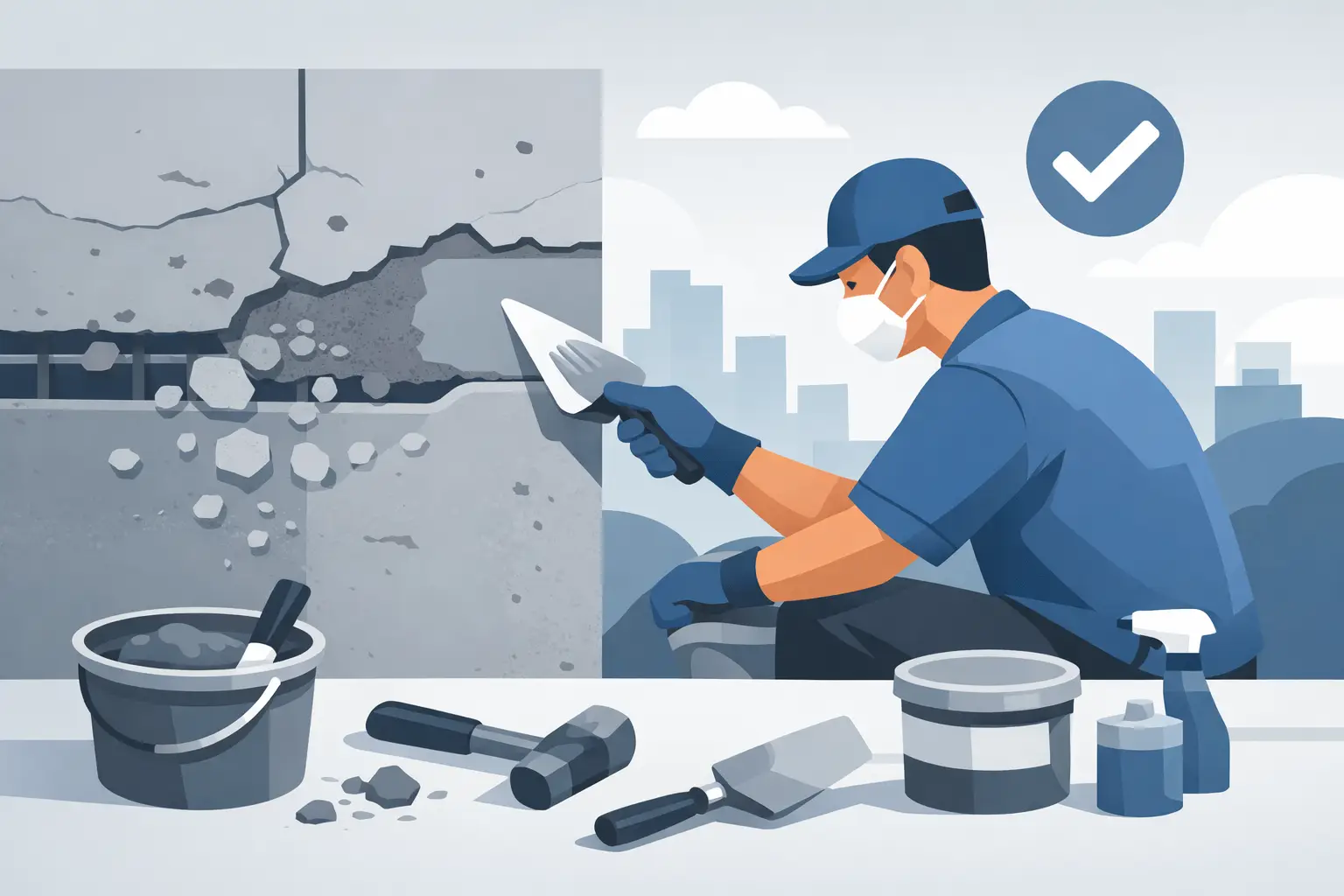
Concrete is not maintenance-free. It can crack as the soil moves, temperatures change, or heavy loads stress weak areas. Control joints help guide cracking, but they do not replace good excavation, compaction, reinforcement, and drainage. Deicing chemicals and freeze-thaw conditions can also affect the surface when concrete is poorly finished or not properly protected.
Concrete typically has a higher upfront cost than basic asphalt, but its long service life can make sense for the right property. The key is precision during installation. A strong base, correct thickness, and proper curing are essential.
Pavers for Design Flexibility and Repairability
Interlocking pavers provide a distinctive, high-end finish for driveways, entrances, and courtyard areas. They come in a wide range of colors, sizes, and patterns, allowing the driveway to complement brickwork, retaining walls, patios, and the overall style of the property.
One advantage of pavers is repairability. If access is needed below the driveway or a localized area settles, individual pavers can often be lifted and reset. Their joints also allow a degree of movement without the long cracks often seen in poured concrete.
That benefit depends on the work below the pavers. A poorly prepared base can lead to settling, uneven surfaces, and loose edges. Pavers usually cost more at installation because of the labor and detailed base work involved, but they can deliver lasting visual value when built with quality materials and proper restraint around the perimeter.
Gravel and Permeable Options for Specific Sites
Gravel is often the most affordable option for long rural driveways, temporary access roads, and low-traffic areas. It drains well when the base is correctly shaped, and it can be replenished as needed. However, gravel requires periodic grading and may migrate onto roads, lawns, and walkways. It is usually not the best choice for a polished front entrance or a site where snow removal is frequent.
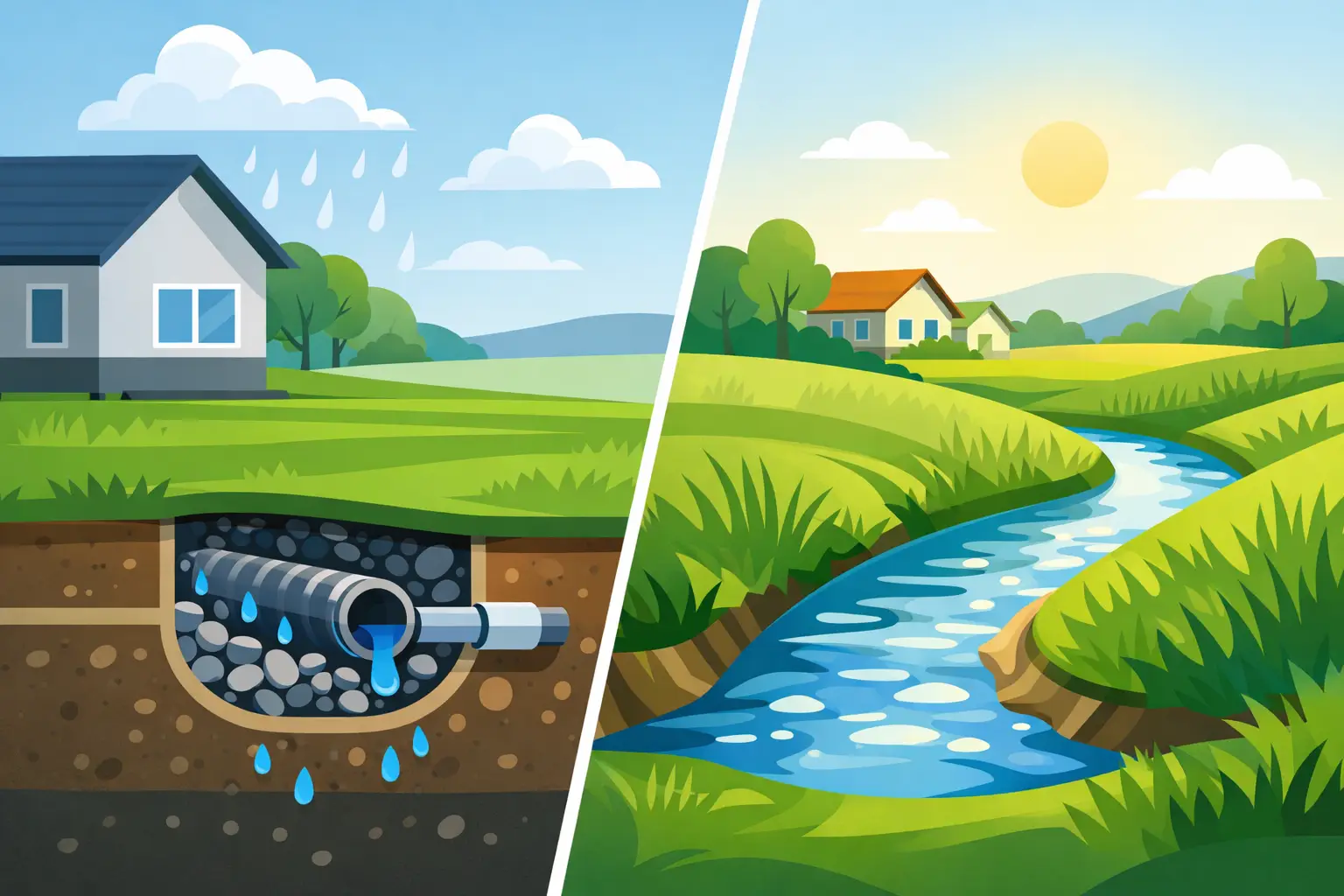
Permeable paving systems can help manage stormwater by allowing water to pass through the surface into a prepared stone reservoir below. They can be valuable where drainage restrictions, runoff concerns, or water-sensitive landscaping affect the project. These systems need careful engineering and ongoing attention to prevent sediment from clogging the surface.
Compare Cost Over the Life of the Driveway
The lowest estimate is not always the lowest cost over time. A driveway that lacks proper excavation, base depth, compaction, or drainage may need repairs far sooner than expected. Surface material prices matter, but site preparation often determines whether the finished driveway stays smooth and stable.
When reviewing an estimate, ask what is included below the surface. A clear proposal should identify excavation, aggregate base, compaction, grading, drainage work, material thickness, edge treatment, and cleanup. For concrete, it should also explain reinforcement, joints, finish, and curing. For pavers, it should address base preparation, bedding material, edge restraints, and joint sand.
Maintenance should be part of the calculation. Asphalt needs crack repair and periodic seal coating. Concrete may need sealing and prompt attention to cracks or surface wear. Pavers may need occasional joint-sand replacement or resetting. Gravel needs regular grading and replenishment. The best choice is the one that fits both your installation budget and your willingness to maintain it.
Choose a Look That Fits the Property
A driveway has a major effect on curb appeal because it covers a large portion of the front of a property. Asphalt offers a simple, uniform appearance that works with many home styles. Concrete can look crisp and modern or more decorative depending on the finish. Pavers give the most design flexibility and can tie together masonry features across the property.
Appearance should support performance, not override it. For example, a decorative paver border can improve the look of an asphalt driveway, but the driveway still needs a stable base and reliable drainage. A stamped concrete surface may look impressive, but it should be chosen only when the site and budget support the level of preparation required.
How to Choose Driveway Materials With Confidence
The right material depends on traffic, climate, soil conditions, drainage, budget, and the appearance you want to achieve. There is no single surface that is best for every property. A durable result comes from matching the material to the site and completing the groundwork with care.
A professional on-site assessment can identify hidden issues such as poor grading, soft subsoil, water runoff, or inadequate base depth before they become costly repairs. ASAP Paving And Masonry helps property owners plan driveways that are strong, properly drained, and built to perform under daily use. Choose the surface you like, but make sure the work beneath it gives that surface a lasting foundation.