A driveway can look worn long before it has reached the end of its service life. Fading, small cracks, and a dry gray surface are common signs of weather exposure, sunlight, water, and regular vehicle traffic. Understanding asphalt driveway sealcoating cost helps property owners decide when a simple protective service makes sense and when the driveway needs repair work first.
Sealcoating is not a shortcut for a failing driveway. It is a protective treatment designed to preserve sound asphalt, improve appearance, and slow the damage caused by moisture and oxidation. When it is applied over a properly prepared surface, it can be a practical investment in a stronger, longer-lasting driveway.
What Does Asphalt Driveway Sealcoating Cost?
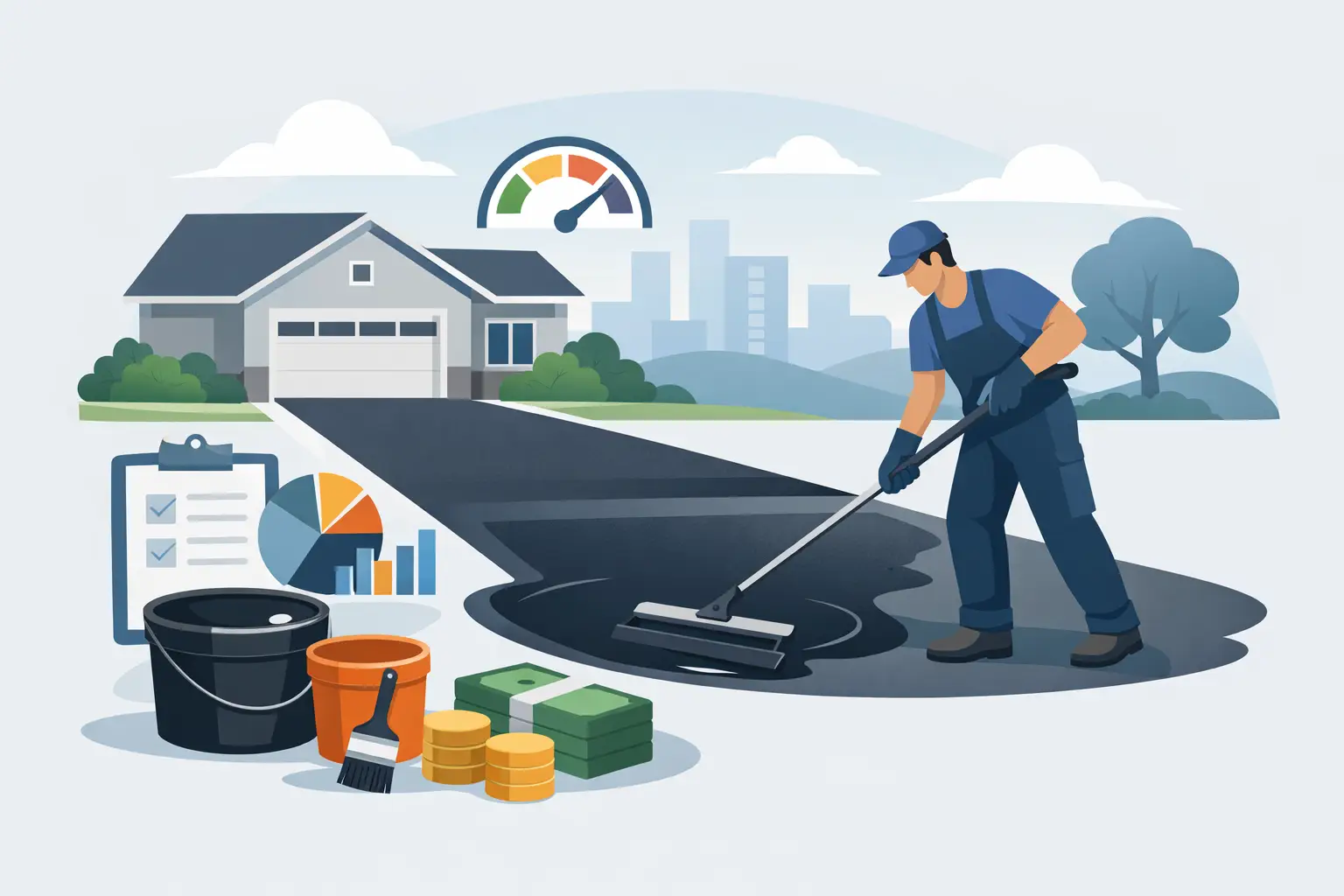
For a typical residential project, professional sealcoating often falls around $0.25 to $0.75 per square foot. A small driveway may cost more per square foot because contractors must account for mobilization, equipment, cleaning, edging, and material setup. Many jobs also have a minimum service charge.
As a general starting point, a 600-square-foot driveway may fall in the range of $250 to $600, while a 1,000-square-foot driveway may range from $400 to $900 or more. Larger driveways, private lanes, parking areas, and commercial surfaces usually receive project-specific pricing based on square footage, access, condition, and preparation needs.
Those numbers are useful for budgeting, but they are not a substitute for an on-site estimate. Two driveways with the same size can require very different amounts of work. A clean, relatively new surface with a few minor cracks is a straightforward job. An older driveway with open cracks, oil stains, edge damage, poor drainage, or uneven settling requires more attention before sealcoat can perform as intended.
What Changes the Price of Sealcoating?
The condition of the asphalt has the greatest effect on final cost. Sealcoat protects the top surface. It does not rebuild missing asphalt, correct a sinking base, or permanently close large moving cracks. If those issues are present, repair work should come first.
Driveway size and layout
Square footage matters, but shape matters too. A long, narrow driveway, circular drive, steep grade, tight gate access, or multiple parking pads can take more time to clean, edge, and coat evenly. Areas around garages, walkways, curbs, landscaping, and drainage channels require careful detail work for a clean finish.
Commercial and industrial sites may also need work scheduled around deliveries, customers, employees, or tenant access. That planning has value. Reliable scheduling helps keep the property operating while the pavement receives the protection it needs.
Cracks, potholes, and damaged edges
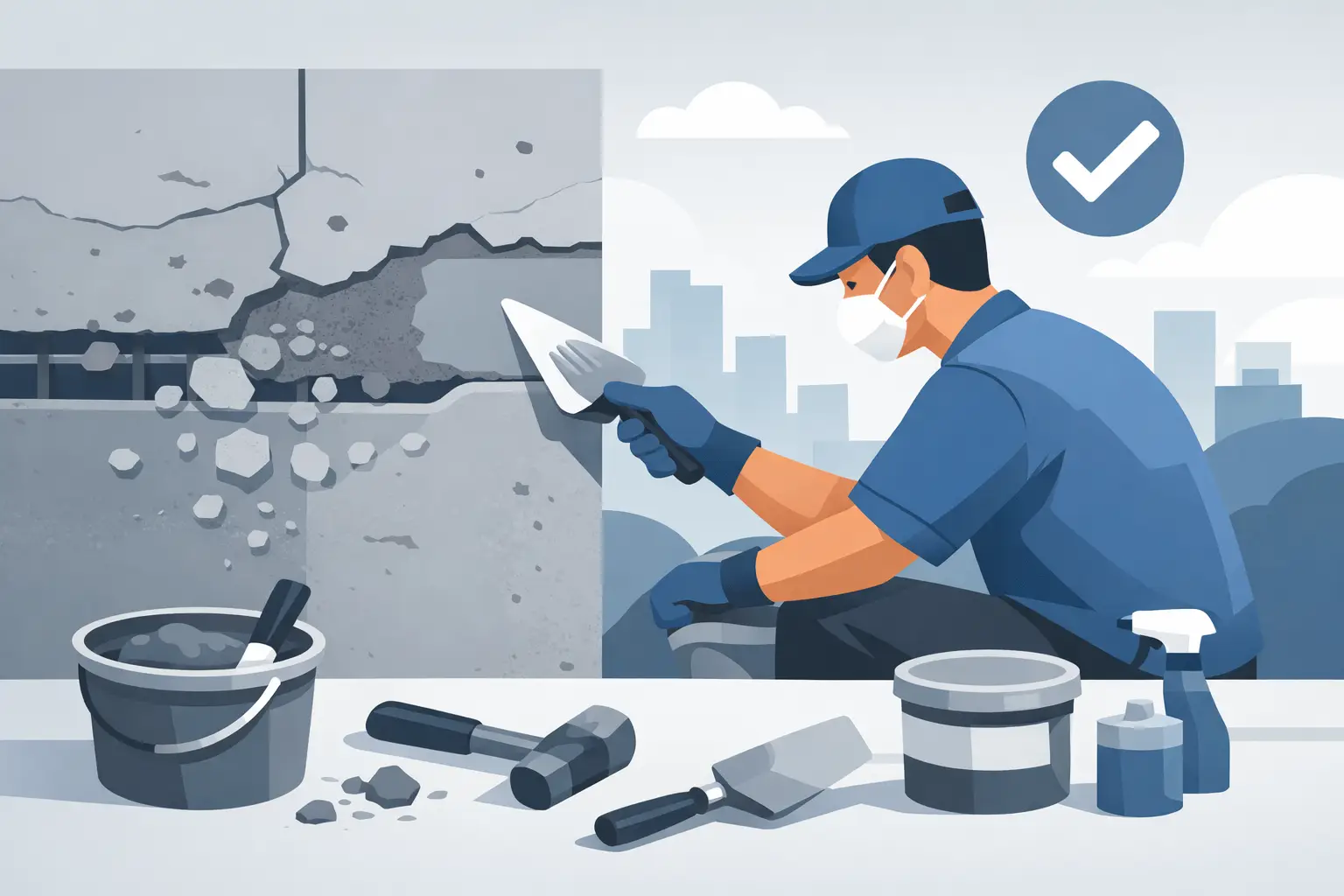
Crack filling is commonly priced separately because it is a repair step, not simply part of applying sealcoat. Small surface cracks can often be cleaned and filled before coating. Wider cracks, alligator cracking, depressions, potholes, and crumbling edges may call for patching or asphalt replacement.
Paying for sealcoating without addressing active damage can lead to disappointing results. Water can still reach the base through failed areas, and traffic can continue to break down weak asphalt beneath the new dark finish. A dependable contractor will explain what can be sealed, what should be repaired, and what may need to wait for a larger paving project.
Surface cleaning and stain treatment
Good preparation is where lasting performance begins. Dirt, loose debris, weeds, mud, and oil reduce adhesion. Before coating, the driveway should be thoroughly cleaned and allowed to dry. Oil spots may need specialized treatment, especially near garage entrances or parking areas where vehicles have leaked fluids.
This work may not be the most visible part of the job, but it affects the result. A clean surface allows the sealer to bond more evenly and gives the finished driveway a more consistent appearance.
Drainage and underlying movement
Water is one of asphalt’s most damaging enemies. If water pools on the driveway, flows toward the garage, or reaches the base through cracks, sealcoat alone will not solve the problem. The same is true of settling caused by weak soil, poor grading, or inadequate base preparation.
A driveway with recurring low spots may need drainage improvements, regrading, excavation, or localized reconstruction. These are separate services from sealcoating, but they protect the investment by addressing the reason damage keeps returning. The right scope is not always the lowest initial price. It is the work that gives the surface a real chance to remain strong.
Material quality and application method
Professional-grade sealer, proper mixing, clean equipment, and an even application all influence cost and performance. Depending on the surface and project requirements, a contractor may use brush application along edges and tight areas, then apply the main coating by spray or squeegee.
The goal is not simply to make asphalt black for a few weeks. It is to create uniform coverage without thin spots, puddling, or missed edges. A careful application also protects nearby concrete, brickwork, garage doors, landscaping, and siding from overspray or tracking.
When Sealcoating Is Worth the Investment
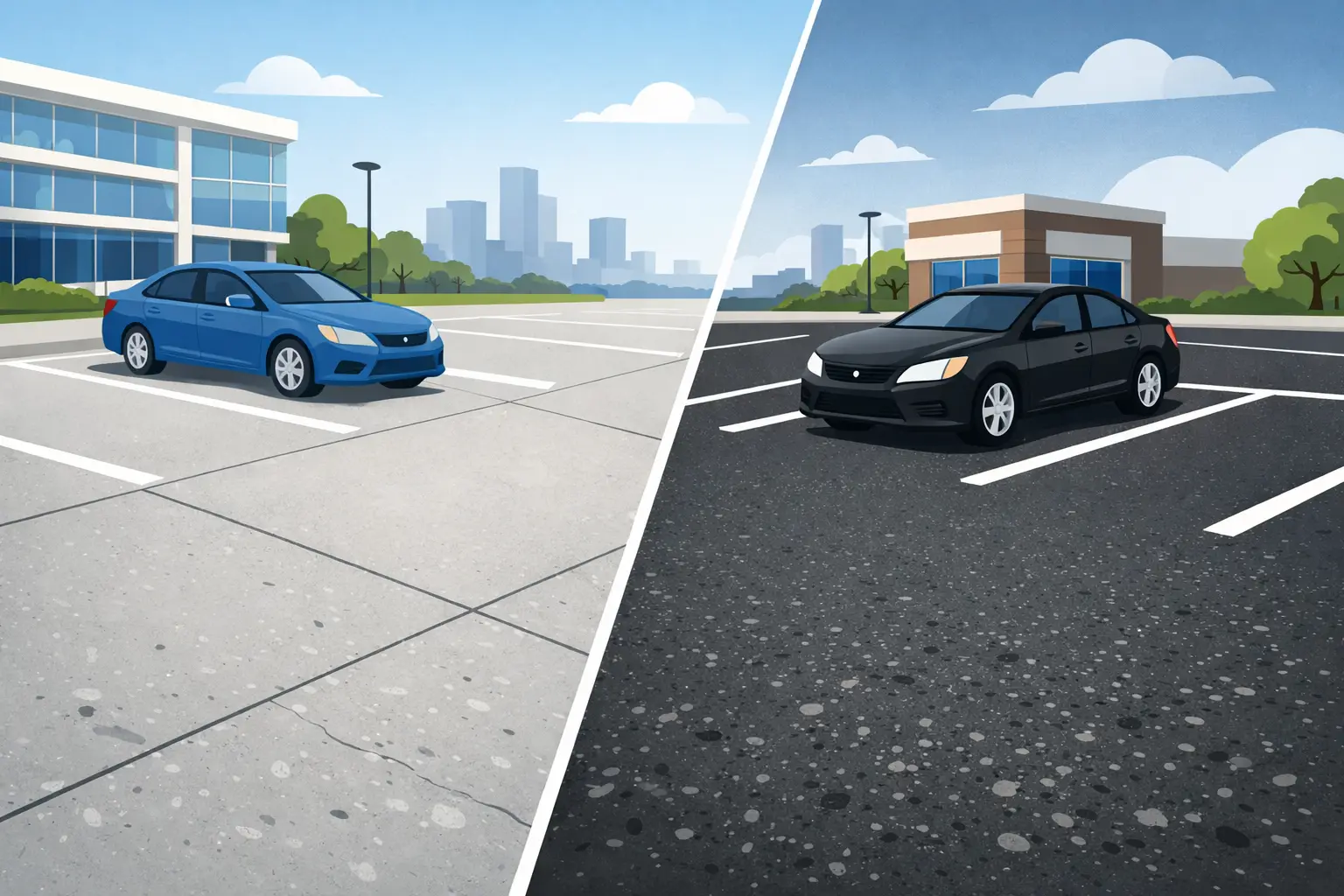
Sealcoating is generally most effective when asphalt is structurally sound but beginning to show normal age and weathering. A driveway that has faded from black to gray, feels dry or slightly rough, and has only limited cracking can be a strong candidate.
For many properties, applying sealcoat every two to three years is a reasonable maintenance pattern. The right interval depends on traffic, sun exposure, winter conditions, drainage, and the age of the pavement. A driveway used by several vehicles every day will wear differently than a lightly used residential lane. Heavy commercial traffic requires a more tailored maintenance plan.
New asphalt should not be sealed immediately. Fresh pavement needs time to cure and release oils before sealcoat is applied. The exact timing depends on weather, mix design, and contractor guidance, but many new driveways should wait at least several months and often longer. Coating too soon can interfere with proper curing and may not provide the finish property owners expect.
When You Should Repair or Replace Instead
There is a clear line between surface protection and structural repair. If the driveway has widespread alligator cracking, deep potholes, soft spots, significant heaving, severe raveling, or repeated water pooling, sealcoating will not be the right first step.
In some cases, asphalt patching can restore isolated damaged areas before the full driveway is sealed. In other cases, resurfacing or complete replacement is more cost-effective than repeated spot repairs. A professional assessment should look beyond the surface color. The base condition, drainage path, edge support, and traffic load all matter.
This approach can feel more expensive at the start, but it prevents paying for cosmetic work that will fail early. Strong paving begins below the surface. A reliable plan addresses the structure first and the finish second.
How to Compare Sealcoating Estimates
A low price can be appealing, especially when several contractors are offering similar services. However, compare the scope of work, not just the total at the bottom of the estimate. Ask whether cleaning, crack filling, oil-spot treatment, edging, material type, number of coats, and protection of adjacent surfaces are included.
It is also wise to confirm whether the contractor is licensed and insured, how long the driveway must remain clear of vehicles, and what weather conditions are required for application. Sealcoat needs a dry surface and suitable temperatures to cure properly. Rushing the work ahead of rain or applying it under poor conditions can reduce durability.
A clear estimate should explain what is included, identify repairs that are recommended, and set realistic expectations for the finished surface. Honest pricing means there are no surprises about preparation work or conditions that need attention before coating begins.
Protect the Driveway You Already Have
The best time to think about sealcoating is before small defects become major pavement failures. Keep the driveway clear of standing water, address cracks while they are manageable, avoid sharp turns from heavy vehicles in the same location, and clean fuel or oil spills promptly.
For property owners who want a durable finish and straightforward guidance, an on-site inspection provides the clearest answer. ASAP Paving And Masonry can assess the asphalt condition, identify repairs that protect the base, and provide a fair estimate for work built to perform. A properly prepared and professionally sealed driveway gives your property a clean, strong surface that is ready for the next season of traffic and weather.