
A cracked step, loose chimney brick, or damp foundation wall rarely stays a small problem. Water finds open joints, freeze-thaw cycles widen gaps, and shifting soil puts added pressure on already weakened masonry. A qualified masonry contractor addresses the visible damage while identifying what caused it, so the repair is built to last rather than simply cover the issue.
For homeowners, commercial property managers, and site operators, masonry work protects more than curb appeal. It supports safe access, controls moisture, strengthens structural elements, and helps a property handle years of weather and daily use. The right scope depends on the building, the material, the soil conditions, and how water moves around the site.
What a Masonry Contractor Does
Masonry covers construction and repair work using brick, block, stone, concrete, and mortar. It may involve a front entrance that needs safer steps, a retaining wall that must hold back soil, a chimney with failing mortar joints, or a foundation wall showing cracks and surface deterioration.
Strong masonry work combines material knowledge with careful preparation. A wall can look straight on the day it is finished but fail early if the base is unstable, drainage is poor, or the mortar is not suited to the existing structure. That is why dependable contractors look beyond the immediate surface.
Common masonry services include brickwork and repointing, foundation repair, parging, chimney construction and repair, concrete steps, retaining walls, patios, and structural patching. In many cases, related work such as excavation, grading, drainage, and concrete base installation is part of a lasting solution.
Repairing damage before it spreads
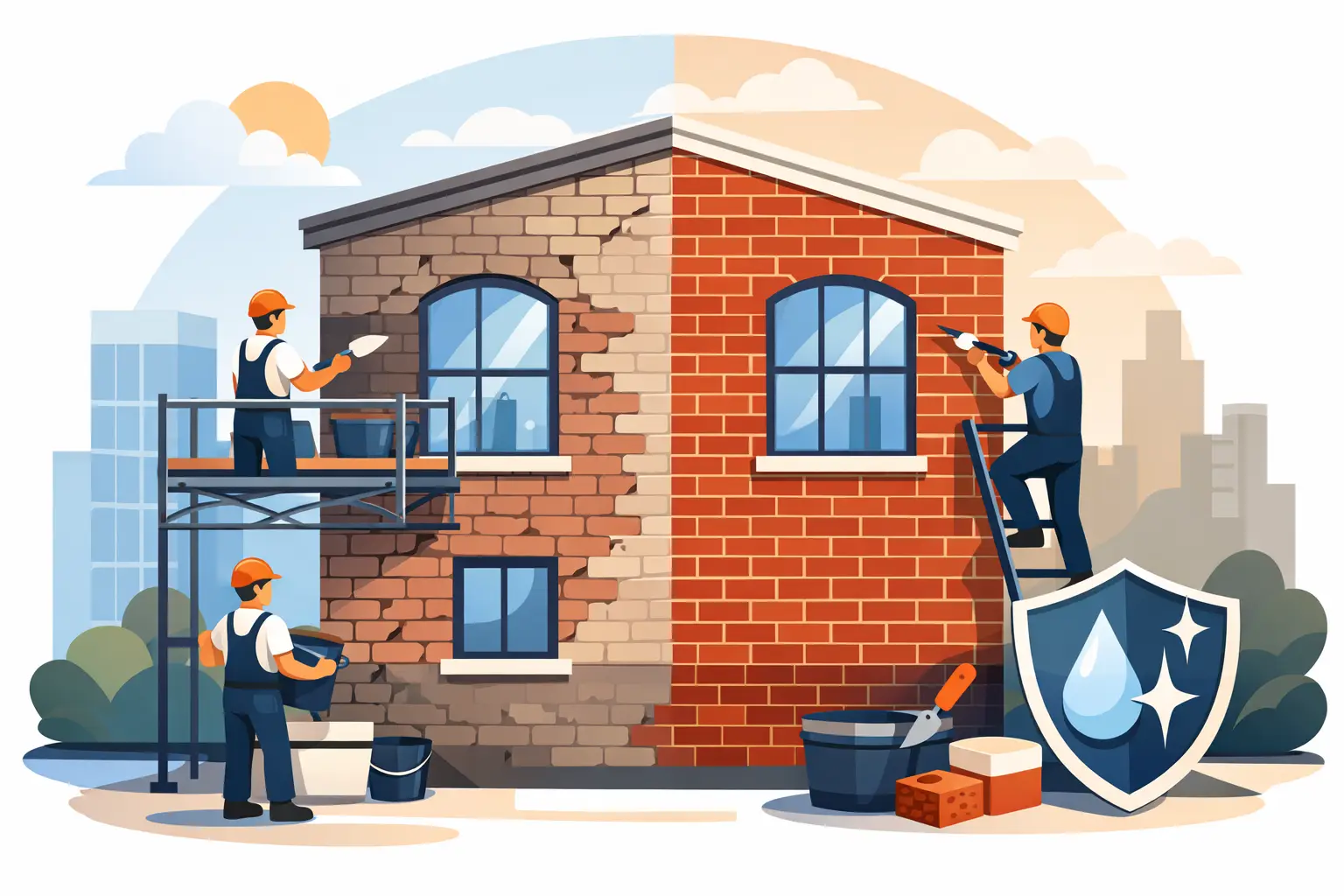
Mortar joints often show the first signs of age. Crumbling, recessed, or cracked mortar lets moisture enter between masonry units. During cold weather, trapped water can freeze and expand, loosening brick or stone and creating larger repairs.
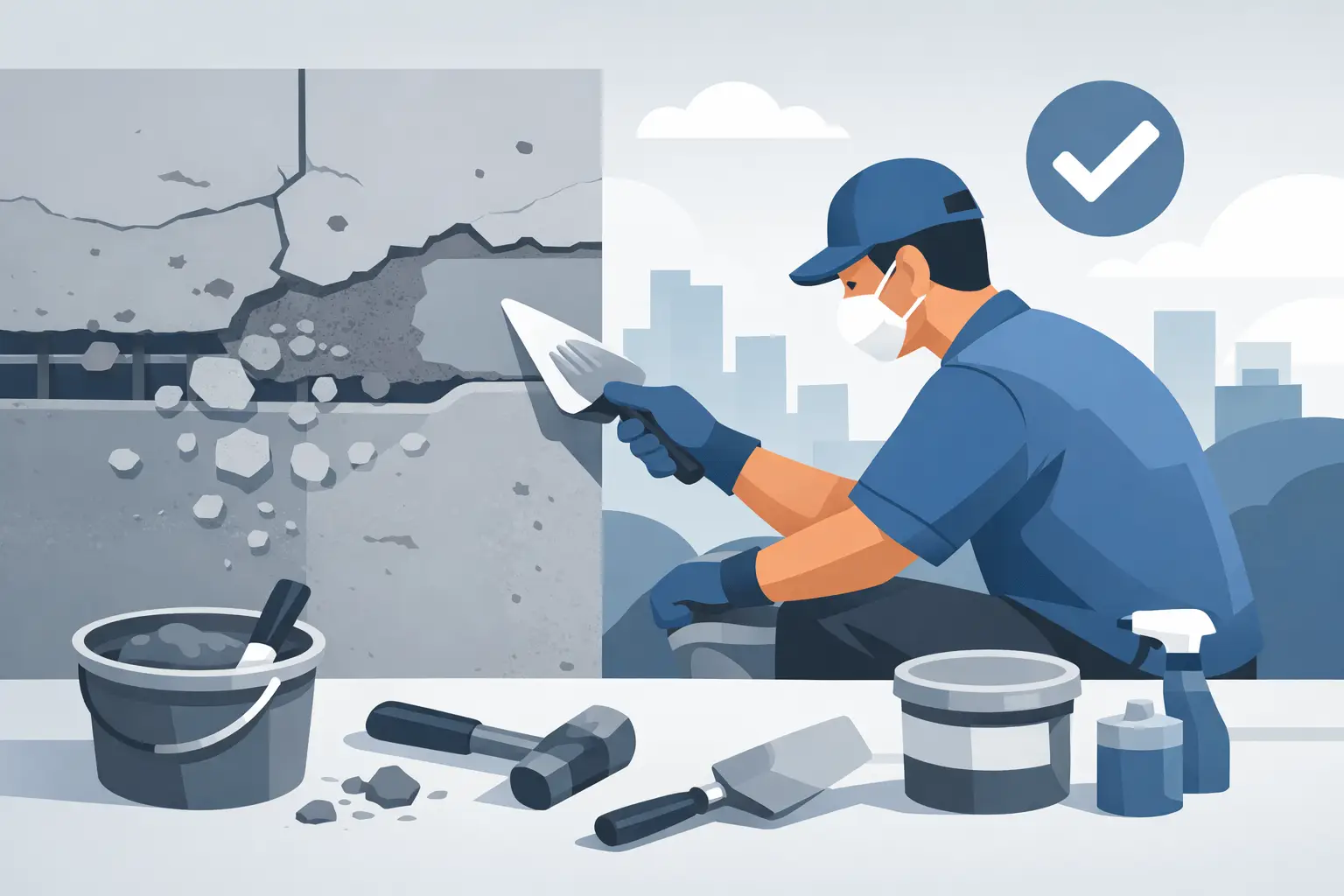
Repointing removes failed mortar to the proper depth and installs new material with clean, compacted joints. It is not a cosmetic shortcut. Done with precision, it helps restore weather resistance and keeps the masonry units properly supported.
Brick replacement may be necessary when individual units are cracked, spalled, loose, or badly weathered. The contractor should also inspect nearby sections. Replacing one damaged brick without correcting water exposure, settlement, or a failed flashing detail may only delay the next repair.
Strengthening foundations and entrances
Foundation surfaces face constant pressure from soil, groundwater, and changing temperatures. Fine surface cracking may be limited to the exterior finish, but wider cracks, recurring dampness, or movement around doors and windows deserve prompt assessment. Parging can renew a deteriorated exterior foundation surface and add protection, but it is not a substitute for resolving active structural movement or drainage problems.
Steps and walkways need the same practical attention. Uneven treads, loose brick, cracked concrete, and poor grading create safety concerns at a main entrance. A proper repair starts with a stable base, correct slope, solid edges, and materials selected for outdoor exposure. The result should feel secure underfoot and direct water away from the building.
Why Drainage Matters in Masonry Work
Water is one of the main reasons masonry repairs fail early. It can enter through open joints, collect behind retaining walls, wash out base material, and saturate soil beside a foundation. Even excellent brickwork cannot perform as intended when water has nowhere to go.
A retaining wall is a clear example. It must resist soil pressure, but it also needs a properly prepared base, suitable backfill, drainage stone, and a path for water to escape. Leaving out these details may produce a clean-looking wall that leans, cracks, or shifts after heavy rain and seasonal changes.
The same principle applies around foundations, patios, driveways, and concrete pads. Site grading should move surface water away from structures. Drainage installation may be needed where runoff collects near the building or crosses high-traffic areas. Excavation and groundworks are not separate concerns from masonry. They are often what allow masonry to remain strong and stable.
How to Choose a Masonry Contractor
Choosing based on the lowest number alone can create expensive problems. A quote may look attractive because it excludes base work, drainage, damaged material removal, proper joint preparation, or cleanup. Compare the scope of work, not only the final price.
A reliable contractor should inspect the site and explain the condition in plain language. You should understand whether the work is a surface repair, a rebuild, a water-management correction, or a combination of these. Clear answers are especially important when cracks, moisture, settling, or heavy vehicle traffic are involved.
Ask how the contractor plans to prepare the area, what materials will be used, and how adjacent surfaces will be protected. For structural or load-bearing work, ask how the base and drainage will be handled. On commercial or industrial properties, discuss access requirements, operating hours, vehicle routes, and how the work area will be kept safe.
It is also reasonable to confirm that the company is licensed and insured, provides a written estimate, and has experience with the type of work you need. A masonry repair on a historic brick façade requires different judgment than a new retaining wall, concrete base, or industrial site feature.
What a clear estimate should cover
A useful estimate identifies the work area and describes the main construction steps. It should make clear whether demolition, excavation, base preparation, drainage components, brick or block replacement, mortar work, sealing, and cleanup are included.
It should also explain conditions that can affect the final scope. Once old masonry is opened, hidden deterioration or water damage may become visible. Honest pricing does not mean pretending those conditions never occur. It means explaining likely risks before work begins and communicating promptly if the repair requires a change.
New Masonry or Repair: Which Makes Sense?
Repair is often the right choice when the structure remains sound and the problem is limited to specific areas. Repointing a chimney, replacing damaged bricks, rebuilding a short section of wall, or repairing a few steps can extend service life while preserving the existing appearance.
Rebuilding may be the better investment when a wall has widespread movement, repeated patch failures, severe deterioration, or an inadequate base. A retaining wall that has shifted significantly, for example, may need to be removed and rebuilt with proper drainage rather than repeatedly patched at the face.
Appearance matters, but performance comes first. Matching brick color, joint style, and texture can help a repair blend with the property. Still, a close visual match is not valuable if the wall lacks the support and water control needed for lasting performance.
Planning Work Around Your Property
Good masonry projects begin with access and protection planning. Equipment may be needed for excavation, demolition, concrete placement, material delivery, or debris removal. The work area should be organized to protect landscaping, nearby paving, entrances, and active business operations where possible.
Weather also affects scheduling. Masonry materials need appropriate conditions to cure correctly, and wet or freezing conditions can change the sequence of work. A dependable contractor sets realistic expectations rather than rushing a critical stage just to meet an arbitrary date.
For busy commercial and industrial sites, coordination is equally important. A wall repair, concrete base, drainage trench, or parking-area improvement should account for delivery access, employee safety, customer traffic, and ongoing operations. Efficient planning helps keep disruptions controlled without cutting corners on preparation.
ASAP Paving And Masonry approaches these projects as connected site systems. A strong wall, foundation repair, patio, or entrance performs better when the base, grading, drainage, and surrounding surfaces are considered together. This end-to-end approach helps property owners avoid repeated damage caused by moisture, movement, and weak preparation.
Protect the Work After It Is Complete
Once masonry is repaired or installed, regular observation helps catch small issues early. Watch for new cracks, loose units, staining, water pooling, deteriorating joints, or soil settling near walls and foundations. Keep downspouts and drainage paths directing water away from masonry surfaces.
Avoid using harsh de-icing products where they can damage concrete, brick, or mortar. Do not place heavy loads against a retaining wall unless it was designed for that use. If a crack reappears or moisture returns, arrange an inspection before another season of weather makes the damage worse.
The best masonry work delivers a clean finish, but its real value is dependable performance. Choose workmanship that addresses the cause, uses quality materials, and gives your property the strength to stand up to weather, traffic, and daily life.