A brick wall can look solid from a distance while failing at its most exposed point: the mortar between the bricks. Brick mortar joint repair addresses crumbling, cracked, or missing mortar before water gets behind the face of the wall and turns a small maintenance issue into a larger masonry repair.
For homes, this often affects chimneys, steps, garden walls, porch columns, and exterior facades. For commercial properties, deteriorated joints can compromise entrances, boundary walls, loading areas, and older brick structures exposed to constant weather. The right repair restores a clean appearance, but its real value is strength, water protection, and lasting performance.
What Brick Mortar Joint Repair Actually Fixes
Mortar is not just filler. It locks the brickwork together, helps distribute pressure across the wall, and prevents rain from reaching the structure behind the brick. When joints fail, the bricks can begin to loosen, water can enter through open gaps, and freeze-thaw cycles can accelerate the damage.
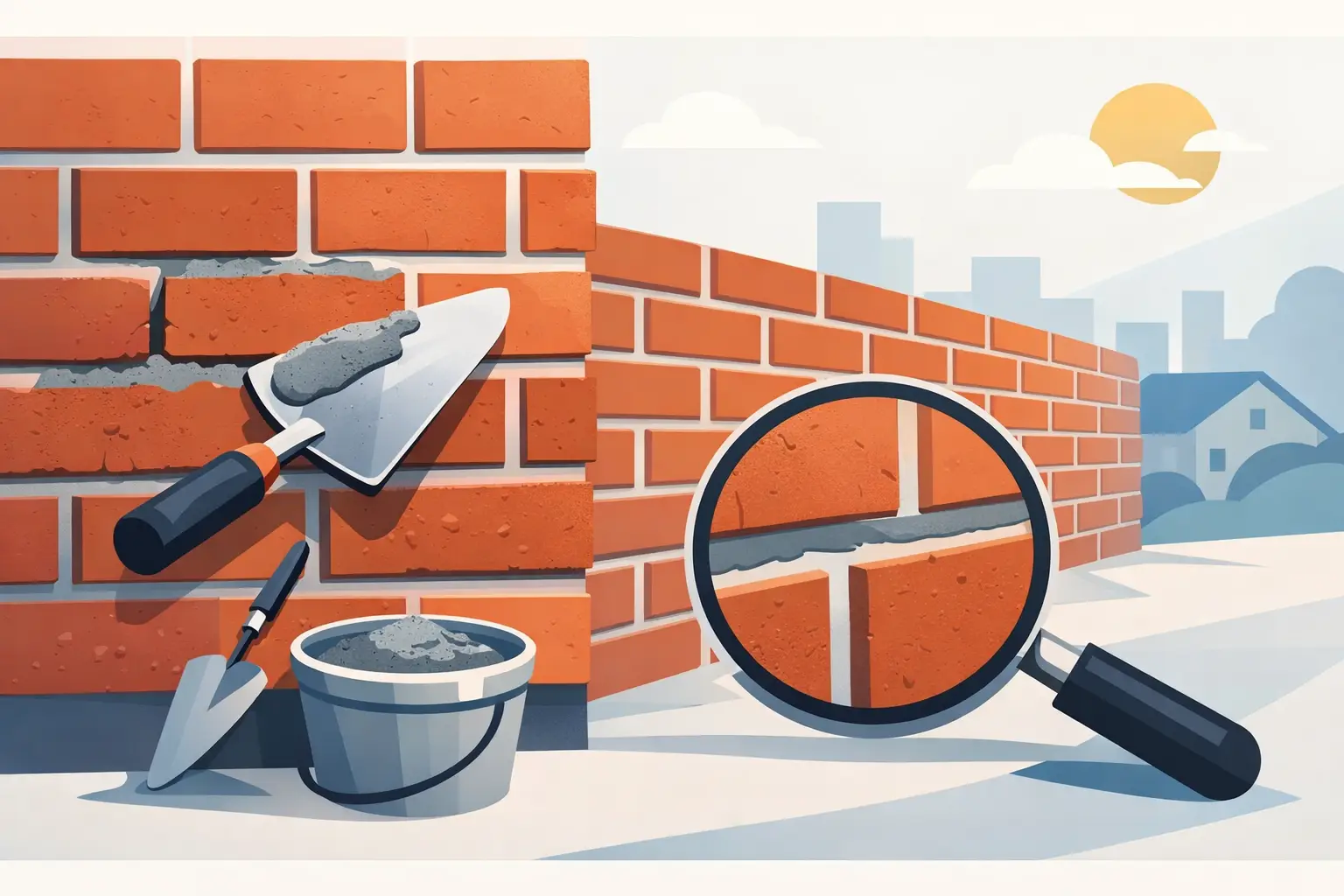
Most mortar joint repair is completed through repointing. This process involves carefully removing failed mortar to the proper depth, cleaning the joint, and installing new mortar that is matched to the existing masonry. Done with precision, the finished joint creates a durable weather-resistant seal without damaging the surrounding brick.
The condition of the brick matters as much as the condition of the mortar. If bricks are spalled, cracked, or loose, repointing alone may not be enough. Individual brick replacement, rebuilding a section of wall, repairing the chimney crown, or correcting drainage may be needed to stop the same problem from returning.
Signs Your Mortar Joints Need Attention
Mortar usually gives clear warning signs before a wall becomes unsafe. Cracks running through the joints, sandy material falling from the wall, recessed joints, and open gaps around bricks all point to deterioration. On a chimney, you may notice loose pieces on the roof or ground below. Around steps and retaining walls, movement or leaning can signal a more urgent structural concern.
White powder on brick, known as efflorescence, is another sign worth checking. It does not always mean the masonry is failing, but it shows that moisture is moving through the wall. If the source of that moisture is not addressed, new mortar can deteriorate sooner than it should.
Interior symptoms can also reveal exterior masonry problems. Damp spots near a chimney breast, water marks around an exterior wall, peeling paint, or a musty smell may indicate moisture entry through deteriorated joints or flashing. The solution depends on the source. A dependable contractor checks the full area rather than simply covering the visible crack.
Why Waiting Makes Masonry Repairs More Expensive
Small gaps in mortar invite water into places where it does the most damage. In warm weather, moisture can soak into the wall. When temperatures drop, that water expands as it freezes, pushing against the brick and mortar. Repeated freeze-thaw movement breaks down the joints, causes brick faces to pop off, and can loosen larger sections of masonry.
Water also affects the materials behind the wall. On chimneys and exterior facades, it can damage framing, insulation, flashing, and interior finishes. At ground level, poor drainage can keep the base of a brick wall saturated and contribute to cracking, settlement, or foundation-related issues.
Timely repointing is usually more controlled and cost-effective than waiting for bricks to shift or a wall section to fail. It protects the original masonry where possible and helps preserve the character and value of the property.
The Right Mortar Match Matters
Not every mortar mix is suitable for every brick wall. Older brick, softer historic brick, and newer dense brick can each require a different mortar strength and composition. Using mortar that is too hard can create a problem rather than solve one. Instead of the joint absorbing normal movement and weathering, the brick itself may crack or spall.
Color and joint profile matter too. A careful repair should blend with the wall instead of leaving obvious patches. Matching the mortar color, texture, and joint style creates a more professional finish while maintaining the wall’s original appearance.
This is where experience makes a real difference. The goal is not to force the hardest possible material into every joint. The goal is to use the right material and installation method for a strong, lasting repair.
Surface Patching Is Not the Same as Repointing
Applying a thin layer of mortar over a damaged joint may improve the appearance for a short time, but it often does not bond properly or address weak material beneath the surface. This cosmetic patch can crack away quickly, especially on chimneys, steps, and walls exposed to rain and temperature changes.
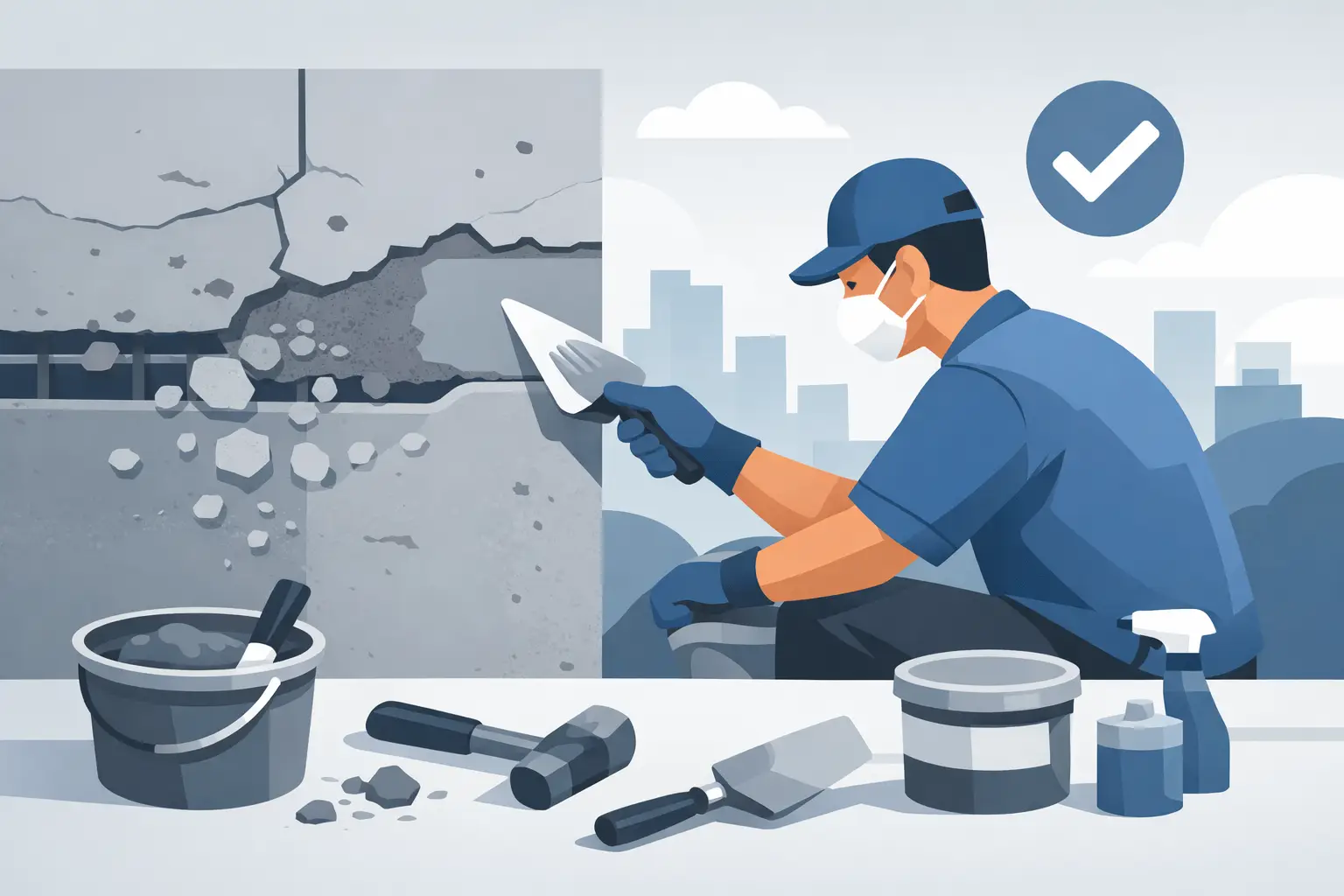
Proper repointing starts by removing loose and deteriorated mortar to a consistent depth. The joint is then cleaned and prepared so the new mortar can bond correctly. Mortar is installed in layers, compacted carefully, and finished to the right profile. Those steps take more time, but they create the durable result property owners expect.
Brick Mortar Joint Repair and Water Control
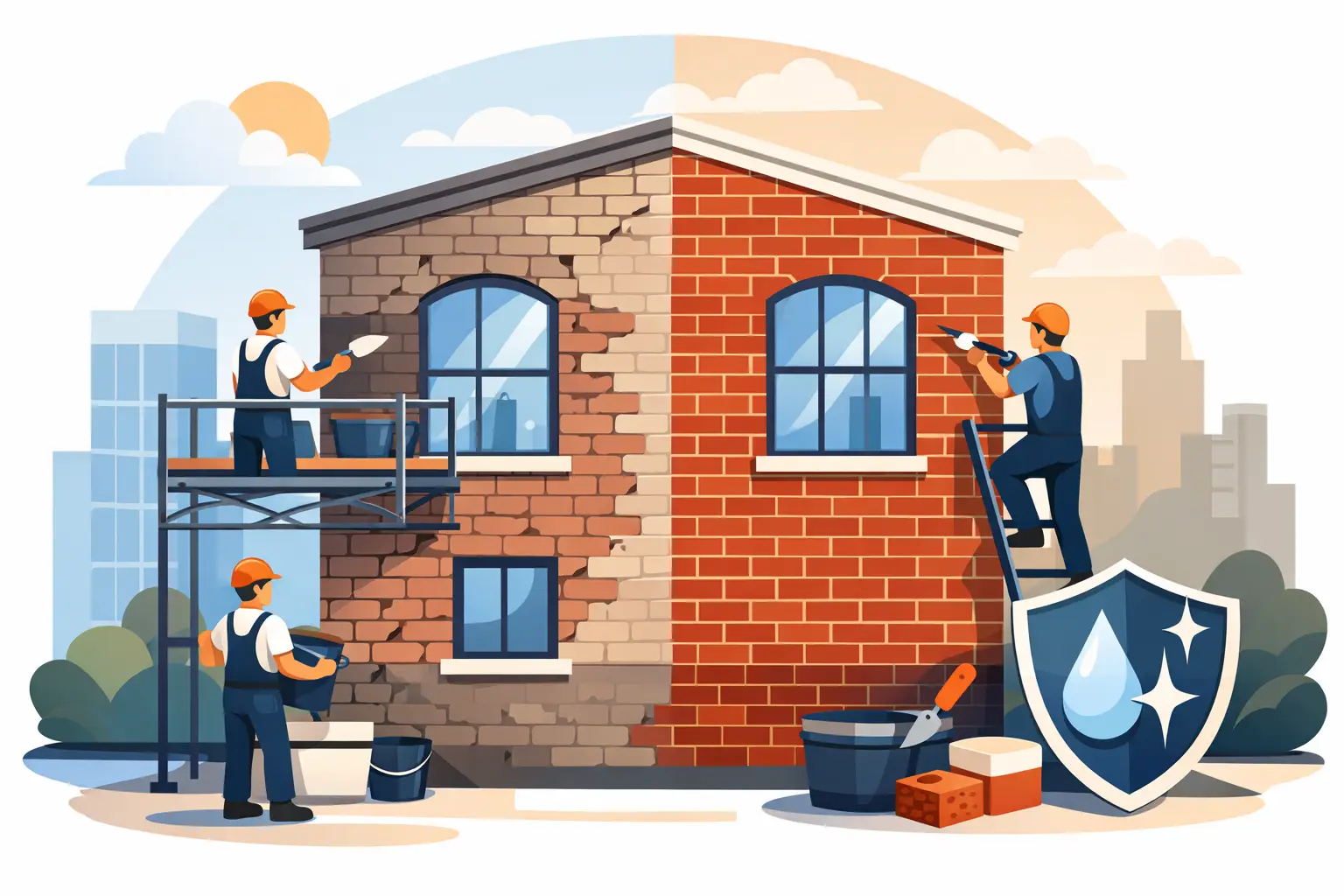
Masonry repair works best when it is paired with a clear look at how water moves around the property. A wall can have excellent new joints and still experience recurring damage if a leaking gutter, missing chimney flashing, poor grading, or drainage issue keeps directing water toward it.
For a chimney, the inspection should include the mortar joints, cap or crown, flashing, bricks, and nearby roof drainage. For a retaining wall or low garden wall, the focus should include soil pressure, drainage behind the wall, and whether surface water is pooling at its base. For exterior walls, downspouts, grading, window details, and foundation conditions may all matter.
Addressing the source of water protects the repair and reduces the chance of repeated maintenance. It is a practical investment in a wall that is built to perform through regular weather exposure.
When Repointing Is Enough and When Rebuilding Is Better
Repointing is a reliable solution when the bricks remain sound and the wall is stable. It is often ideal for localized mortar loss, weathered chimney joints, and aging brick facades that need renewed protection.
A rebuild may be the better option when bricks have shifted significantly, a wall is bulging or leaning, large cracks run through both brick and mortar, or the foundation beneath the wall is moving. In those cases, filling the visible joints will not correct the underlying issue. The damaged section may need to be dismantled and rebuilt on a stable base.
A straightforward site assessment should explain which work is necessary, what can be preserved, and how the repair will protect the structure over time. Property owners deserve clear recommendations and honest pricing, not a one-size-fits-all answer.
Choosing a Contractor for Masonry Repair
Look for a masonry contractor that evaluates the complete condition of the wall, not just the most visible damaged spot. They should be able to explain why the joints failed, identify related water or structural concerns, and recommend materials that suit the existing brickwork.
Quality workmanship also shows in the details: protecting nearby surfaces, removing failed mortar without chipping brick, maintaining consistent joint lines, matching the finish, and leaving the work area clean. For commercial and industrial properties, reliable scheduling and safe work practices are equally important, especially when repairs affect access, tenants, customers, or daily operations.
ASAP Paving And Masonry provides practical masonry repairs built around precision, durable materials, and dependable service. Whether the work involves a chimney, brick steps, a retaining wall, or an exterior facade, the focus should remain the same: restore strength, control water, and deliver a finish that lasts.
If your mortar joints are cracking, crumbling, or allowing water through, acting early can protect far more than the appearance of the brick. A professional assessment can give you a clear repair plan and the confidence that your masonry is ready for the seasons ahead.