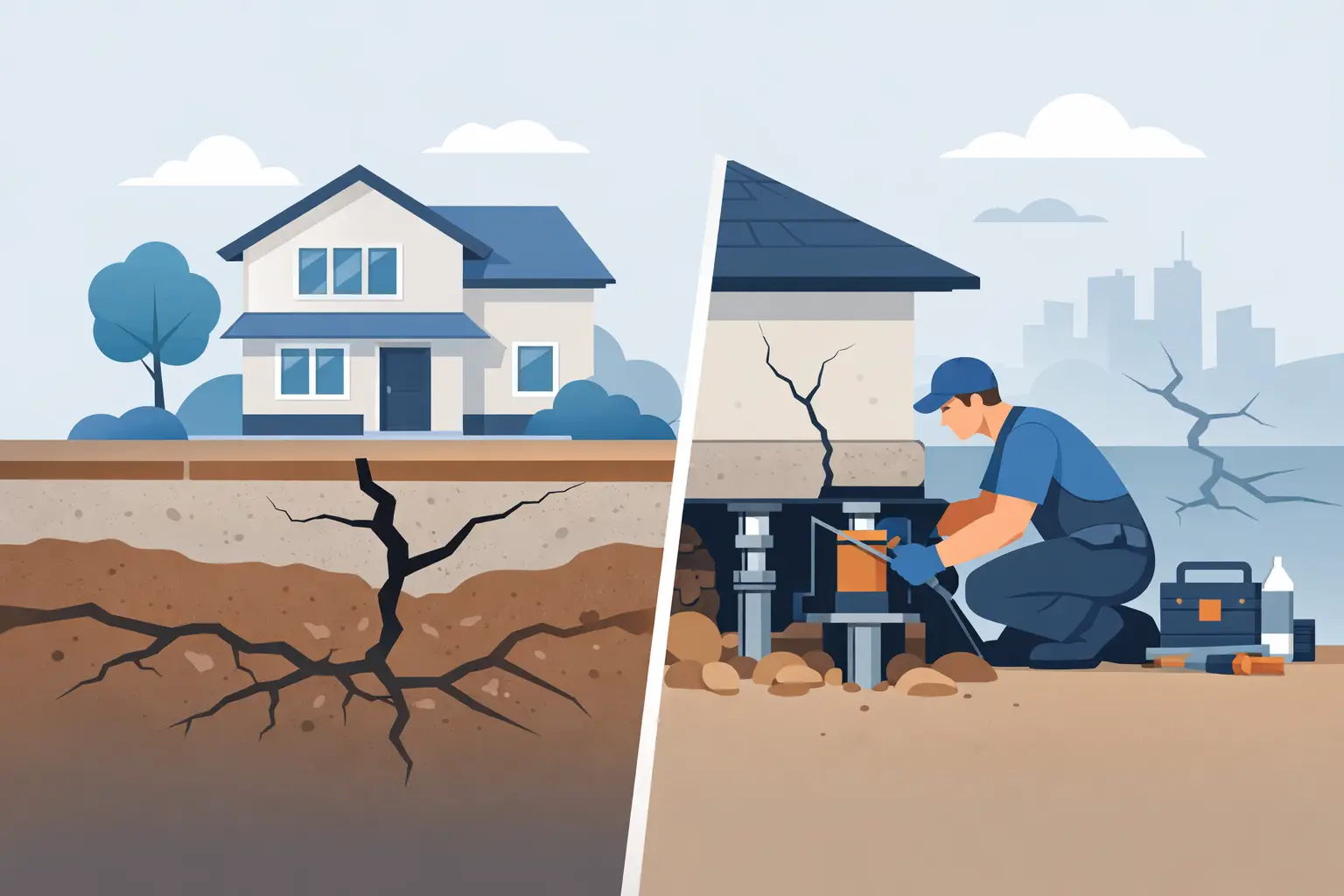
A crack in a basement wall can look small for years, then widen after one wet season or a hard freeze. Foundation repair is not only about correcting what you can see. It is about finding the movement, moisture, drainage, or soil condition behind the damage and addressing it before it affects the rest of the property.
For homeowners, that can mean protecting a finished basement, keeping doors and windows working properly, and preserving property value. For commercial and industrial properties, it can mean avoiding water damage, trip hazards, operational disruptions, and larger structural costs. The right repair should be strong, precise, and built to perform over time.
When Foundation Repair Should Move Up the Priority List
Not every hairline crack means a foundation is failing. Concrete naturally shrinks as it cures, and minor surface cracks can be cosmetic. The concern starts when cracks change, water enters the building, or parts of the structure begin moving unevenly.
Look closely at cracks that run horizontally along a basement wall, step through brick or block joints, or widen from one end to the other. Vertical cracks deserve attention as well when they are wider than a hairline, damp, or showing signs of ongoing movement. A wall that bows inward, bulges, or leans is a more urgent concern and should be inspected promptly.
Inside the property, sticking doors, windows that no longer open smoothly, new gaps around trim, sloping floors, and cracks in drywall can all point to settlement or structural movement. Outside, low ground around the building, standing water, damaged downspouts, failing parging, or cracks near foundation corners may reveal why the problem is developing.
The key is not to wait for a dramatic failure. Small defects are often more manageable when the underlying cause is addressed early. Waiting can allow moisture to enter, freeze, expand, weaken masonry, and turn a targeted repair into a larger restoration project.
What Causes Foundation Damage?
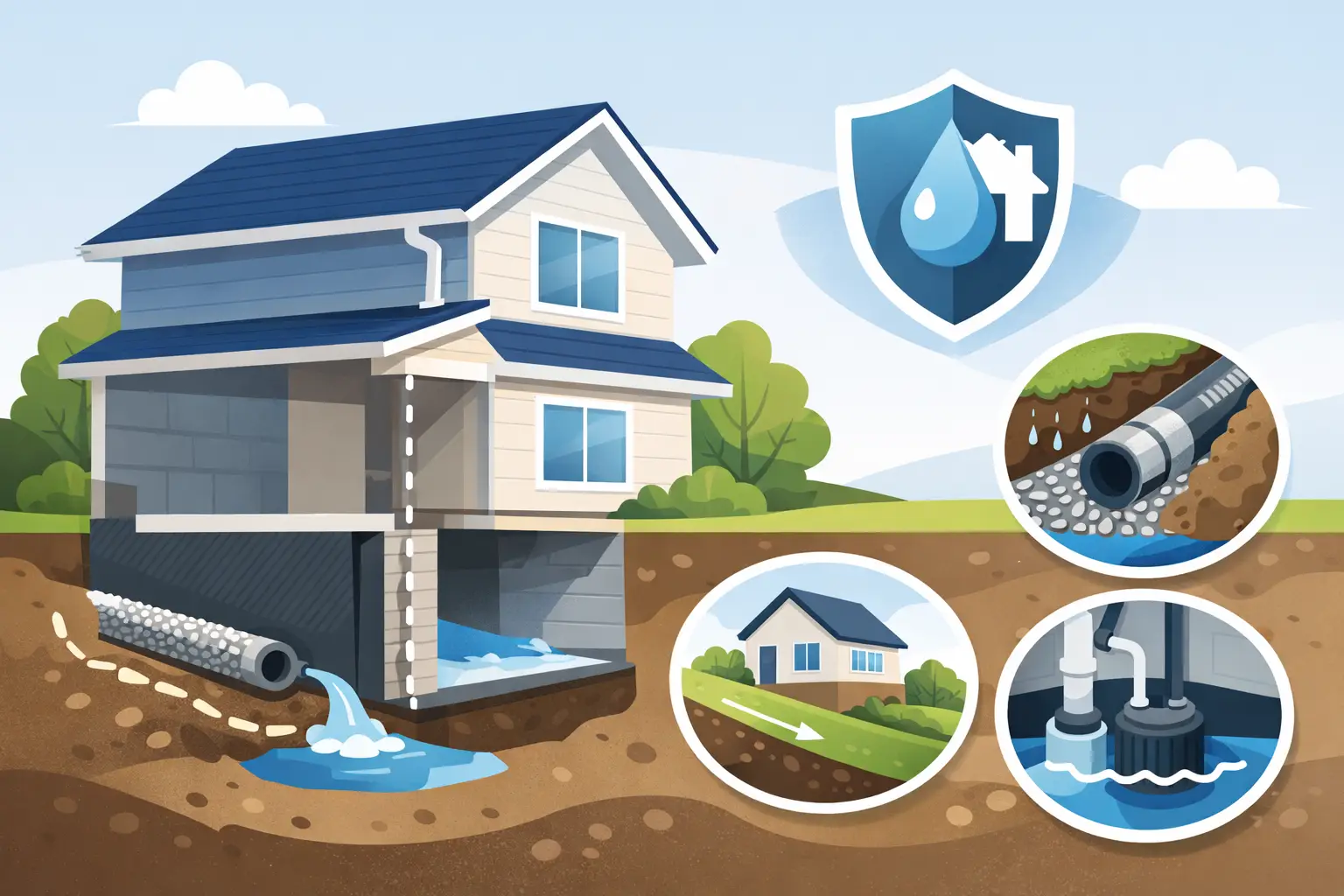
Water is one of the most common causes. When roof runoff, surface water, or poor grading directs water toward the foundation, the soil can become saturated. That added moisture creates pressure against below-grade walls and can soften or shift supporting soil. In cold climates, freeze-thaw cycles add another layer of stress as trapped water expands and contracts.
Soil movement also matters. Clay-heavy soils can swell when wet and shrink when dry, placing changing pressure on foundation walls and footings. Poor compaction beneath an addition, driveway, patio, or new construction can contribute to settlement. Excavation work near a building must be planned carefully so it does not disturb support around the foundation.
Age and original construction can play a role, but newer properties are not immune. A sound foundation can still develop trouble if drainage is poor, water is allowed to collect near the structure, or exterior surfaces slope toward the building. That is why lasting results often require more than sealing a crack from the inside.
Cracks Are a Symptom, Not Always the Full Problem
Filling a visible crack may stop minor water entry, but it does not automatically correct the pressure or movement that caused the crack. The right approach depends on the crack pattern, wall condition, soil, drainage, and whether the issue is active.
For example, a stable vertical crack may need professional crack filling and waterproofing protection. A bowing wall may require structural reinforcement. Repeated dampness at the same wall may call for exterior excavation, drainage improvements, grading, or repairs to damaged waterproofing materials. Good foundation work begins with a clear diagnosis, not a one-size-fits-all fix.
A Reliable Foundation Repair Process
A professional assessment should start with the full site, not only the damaged area. The contractor should examine interior walls and floors, exterior masonry, grading, drainage paths, downspouts, nearby hardscaping, and signs of water accumulation. This helps identify whether the concern is cosmetic, moisture-related, or structural.
Once the cause is understood, the repair plan should explain what will be corrected and why. Clear scope matters. Property owners should know whether the work involves crack repair, parging, waterproofing, excavation, drainage installation, structural support, masonry rebuilding, or a combination of services.
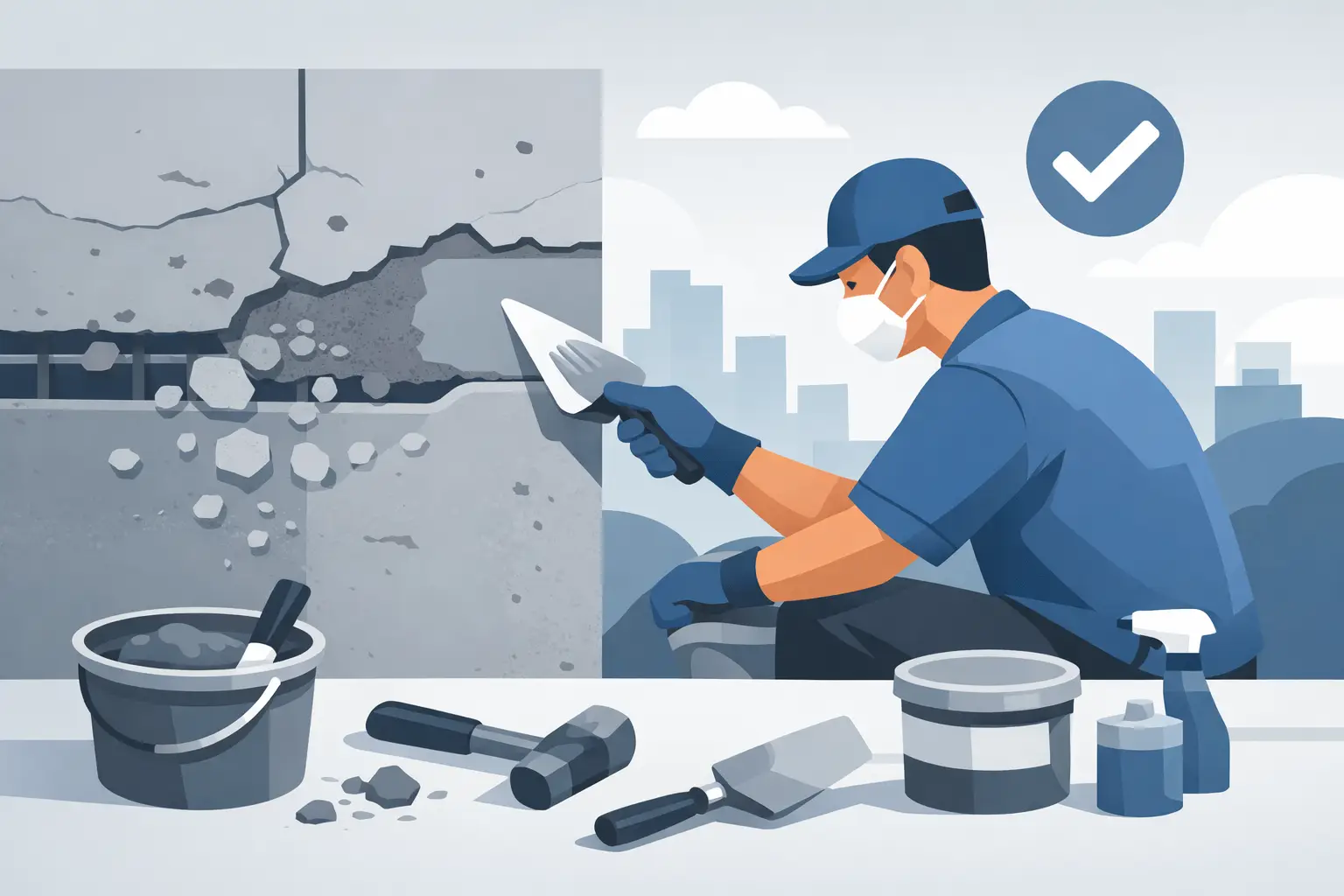
Site preparation is a major part of quality work. If excavation is required, the area must be handled carefully to protect landscaping, access points, utilities, and nearby surfaces. The foundation surface may need cleaning and preparation before repair materials are applied. Loose mortar, deteriorated parging, and damaged masonry should not be covered over and ignored.
After the structural or waterproofing work is complete, the exterior should be restored with water control in mind. This may include properly sloped grading, drainage solutions, and dependable transitions where patios, driveways, walkways, or steps meet the building. Water should move away from the structure, not sit beside it.
Choosing the Right Repair for the Condition
Foundation repair is not a single service. A durable solution is matched to the specific condition of the property.
Crack filling may be appropriate for smaller, stable cracks that allow minor moisture entry. When completed with the right materials and surface preparation, it can help protect the wall from further weather exposure. Parging can restore a worn or damaged exterior finish, improve appearance, and add a protective layer to masonry surfaces. It is useful when applied to a stable, properly prepared wall, but it is not a substitute for structural correction.
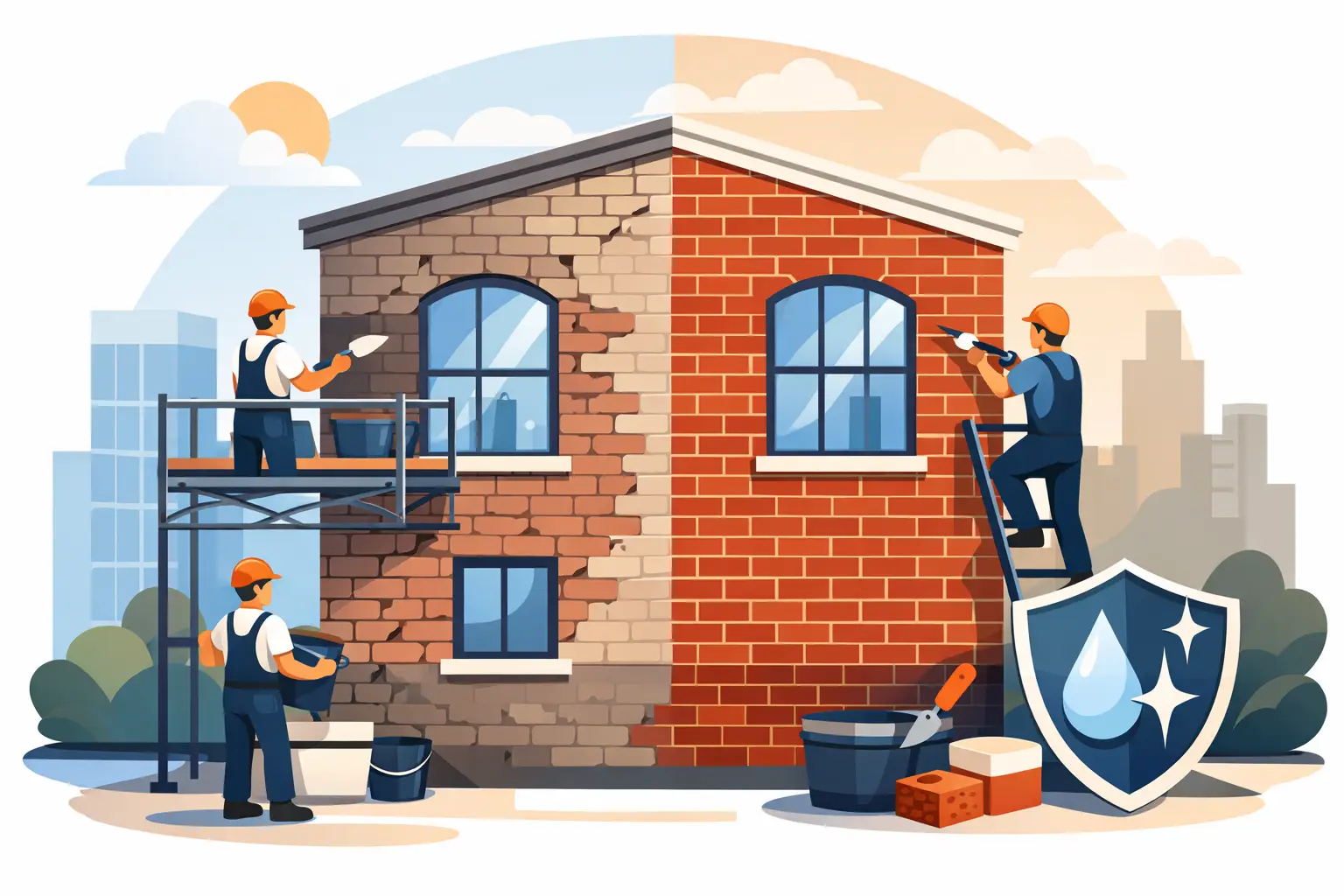
Masonry repair may be needed when brick, block, stone, or mortar joints are deteriorating. Rebuilding weakened sections with sound materials helps restore strength and keeps water from working deeper into the wall. For walls showing movement, reinforcement or more substantial structural repair may be necessary. The right solution depends on the direction and severity of movement, not simply the size of the crack.
Drainage and grading work often provide the long-term protection that makes a repair last. A repaired wall still faces trouble if roof runoff pours beside it or the surrounding ground directs water back toward the building. This is where an end-to-end contractor can make a meaningful difference by connecting foundation protection with excavation, drainage, concrete, masonry, and exterior surface work.
Why Cheap Surface Fixes Can Cost More Later
A quick patch can be tempting when a crack is visible or a damp spot appears after rain. Some repairs are straightforward, and not every issue needs major excavation. But a low-price fix that ignores water pressure, unstable soil, or failing masonry can leave the cause untouched.
Warning signs of an incomplete repair include fresh cracks near a recently patched area, recurring dampness, peeling interior finishes, or water pooling against the same wall. These problems are not always caused by poor workmanship alone. Conditions can change over time. Still, a careful inspection and honest recommendations reduce the chance of paying twice for the same issue.
Reliable contractors should provide straightforward guidance, explain the trade-offs, and avoid pushing a large repair when a smaller targeted solution is appropriate. At the same time, they should not minimize structural warning signs to win a quick job. The goal is durable work, fair pricing, and a repair plan that fits the property.
Protecting Your Foundation After Repairs
Once foundation work is complete, basic property maintenance helps protect the investment. Keep gutters and downspouts clear, and direct discharge well away from the building. Watch for soil that settles beside the foundation and restore proper slope where needed. Repair damaged paving, steps, patios, or walkways that allow water to collect against exterior walls.
Check basement walls and exterior masonry seasonally, especially after heavy rain, rapid snowmelt, or extended dry periods. A simple record of crack size or location can help show whether a condition is stable or changing. If new movement appears, arranging an inspection early is the practical choice.
ASAP Paving And Masonry approaches foundation work with the same standard used for durable driveways, concrete bases, drainage, and masonry repairs: proper preparation, quality materials, and workmanship built to last. A free on-site assessment can bring clarity to what your property needs, whether that means a focused crack repair or a more complete drainage and structural solution.
A foundation does its job quietly beneath the property. Give warning signs the attention they deserve, and the repair can stay controlled, reliable, and far less disruptive than waiting for the damage to spread.