A yard that stays wet days after a storm is not just inconvenient. Standing water can soften soil, stain paving, damage landscaping, create slippery walkways, and place pressure against foundations. The best drainage solutions for yards move water away from the areas that need to stay strong: your home, driveway, patio, steps, and commercial surfaces.
The right fix depends on where the water starts, where it collects, and what lies below the surface. A visible puddle may be caused by poor grading, a blocked downspout, compacted soil, or runoff flowing from a neighboring slope. Lasting drainage work starts with a clear site assessment, not a one-size-fits-all trench.
Start With the Water’s Path
Before installing a drain, follow the water. During or shortly after rainfall, look for ponding near the foundation, water crossing a driveway, erosion along garden beds, and runoff collecting at the bottom of a slope. Notice whether gutters discharge too close to the building or whether paved surfaces direct water toward doors, garages, or low-lying areas.
Grade matters more than many property owners realize. Soil, lawns, patios, and driveways should be shaped so surface water naturally travels away from structures. If the slope is wrong, adding a drain may manage part of the problem, but it will not correct the source. Proper excavation and grading create the first line of defense against water damage.
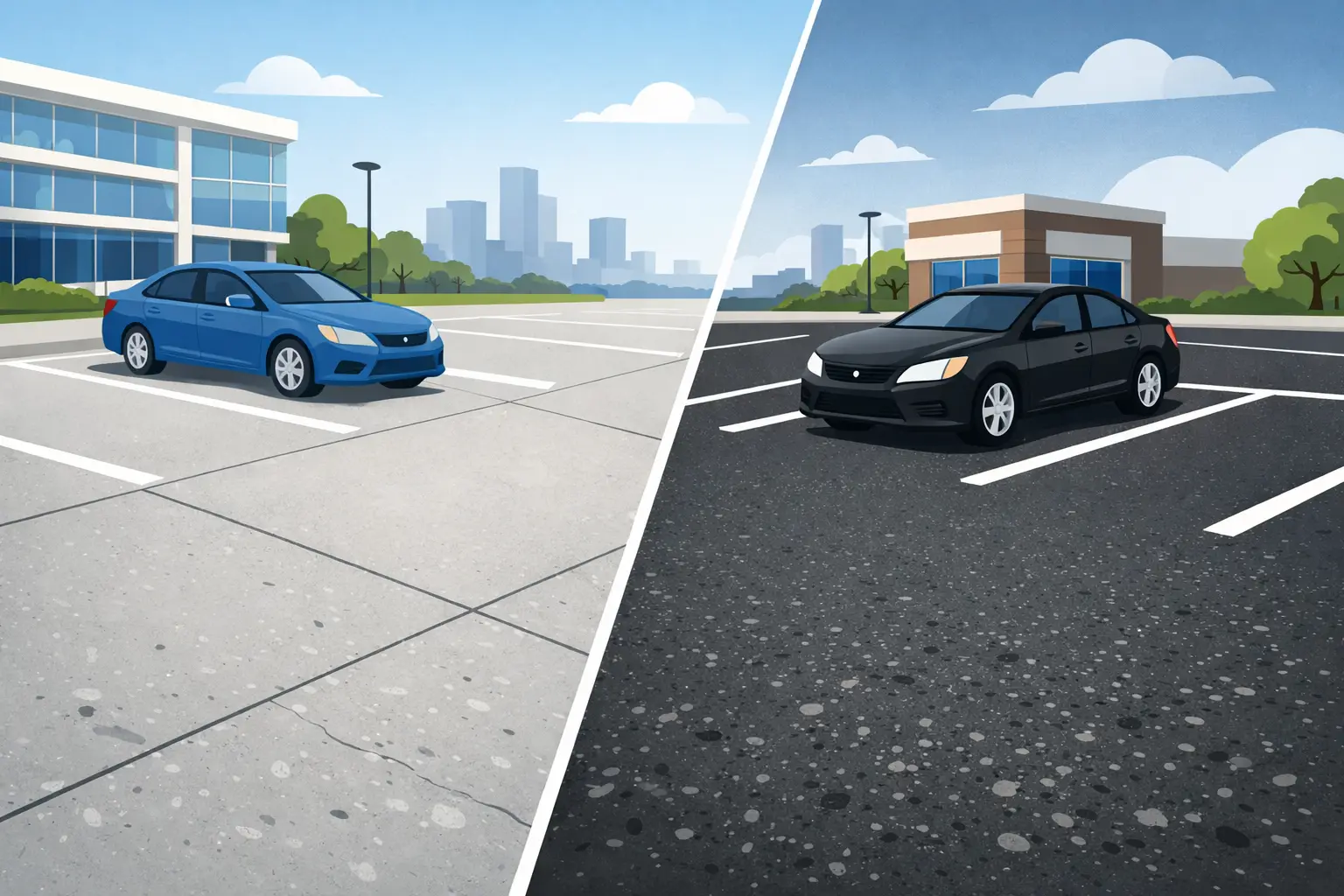
For commercial and industrial sites, the same principle applies on a larger scale. Parking areas, loading zones, access lanes, and hardscaped walkways need reliable fall toward catch basins or approved drainage points. Water left on heavy-use pavement can speed up cracking, potholes, and freeze-thaw damage.
The Best Drainage Solutions for Yards
A durable solution often combines more than one method. The goal is not simply to get water underground. It is to collect it safely, carry it through a properly built system, and discharge it where it will not return to the problem area.
Regrading and Swales
Regrading reshapes the ground to direct surface water away from a building or paved area. This may involve adding clean fill, removing excess soil, or creating a gentle slope that sends runoff toward a safe discharge location. It is one of the most effective fixes when broad areas of lawn hold water or when the ground slopes toward the foundation.
A swale is a shallow, gradual channel built into the landscape. It guides water across the property without looking like a deep ditch. Swales work well for wide yards, sloped lots, and areas where runoff needs a controlled path. They can be finished with grass, stone, or landscape materials, depending on the property’s appearance and drainage needs.
Regrading is often the best starting point because it reduces the amount of water any drain must handle. However, it requires precision. A slope that is too flat may not drain, while one that is too steep can cause erosion or create an awkward yard layout.
French Drains
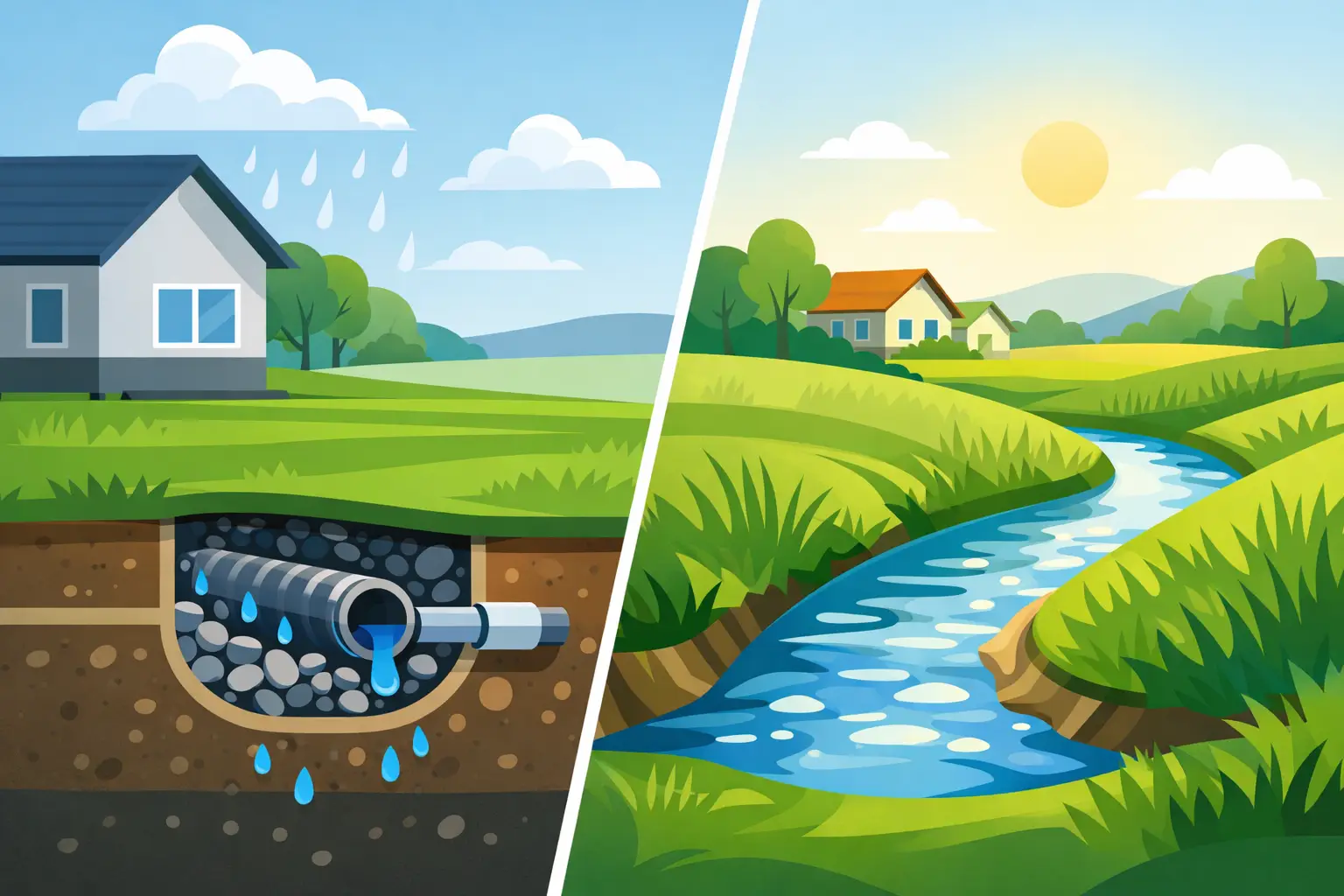
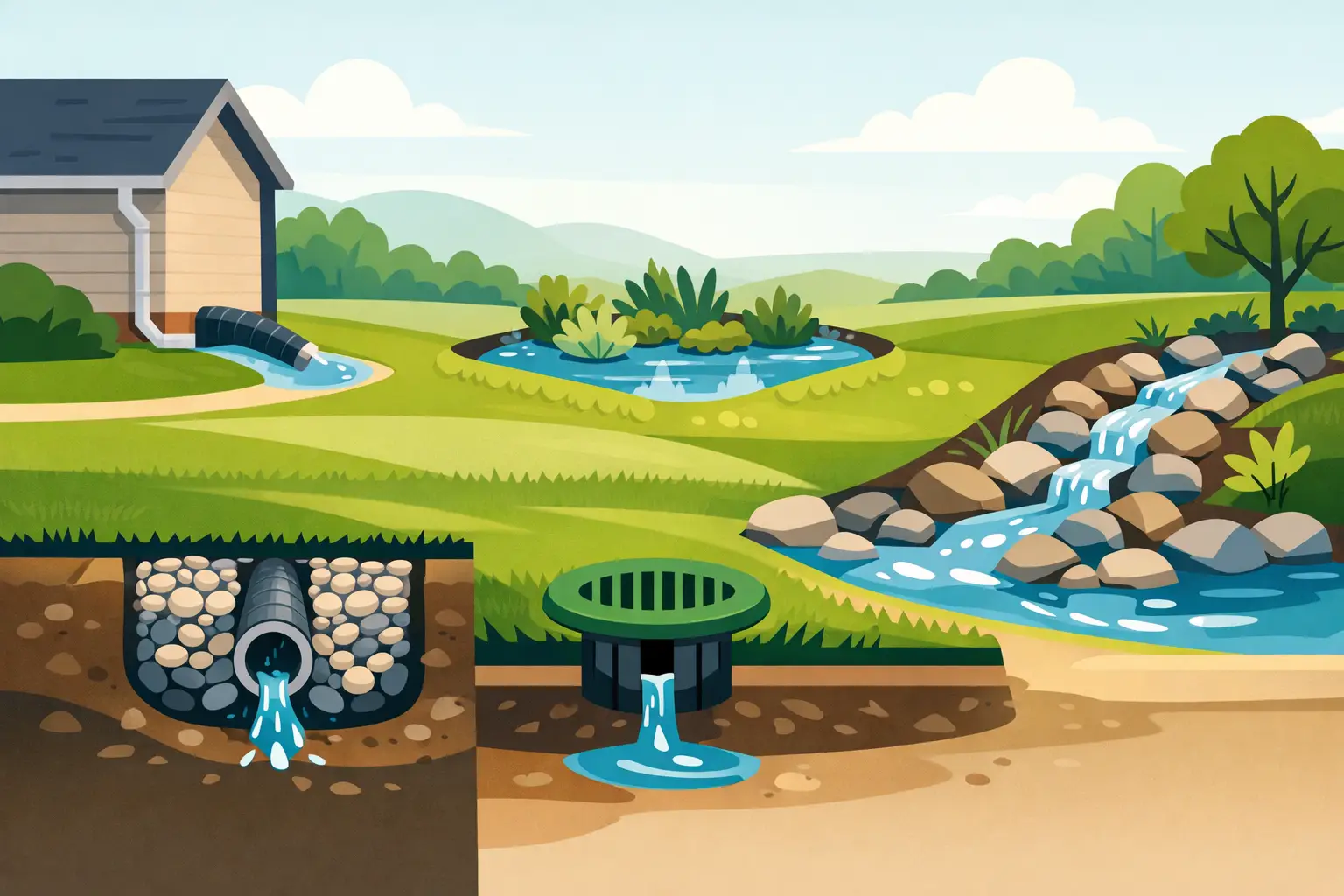
A French drain is a gravel-filled trench containing perforated pipe. Water enters through the gravel, reaches the pipe, and is carried toward a suitable outlet. It is a reliable option for soggy lawn areas, water collecting along foundations, and groundwater moving through soil toward patios or driveways.
The quality of installation determines whether a French drain performs for years or clogs prematurely. The trench needs correct depth and slope. It should use durable pipe, clean drainage stone, and filter fabric that keeps surrounding soil from filling the system. The outlet also matters. Water needs somewhere safe to go, not a point where it can saturate another section of the property.
French drains are especially useful where water is moving below the surface. They are less effective as a standalone answer to large amounts of fast surface runoff. In those situations, grading or surface drainage may need to work alongside the French drain.
Catch Basins and Channel Drains
Catch basins collect surface water at low points and connect to solid drain pipe. They are commonly used near driveways, patios, parking lots, garage entrances, and areas where water naturally pools. A grate at the surface allows water in while helping keep larger debris out.
Channel drains, also called trench drains, are long narrow drains with a visible grate. They are a strong choice where water crosses a paved surface or threatens to enter a garage, basement entry, storefront, or loading area. Installed at the right location, a channel drain intercepts runoff before it reaches the structure.
These systems are built for direct collection of surface water. They need accurate elevation and a dependable outlet. For paved areas, the drain must also be installed with a solid base and finished cleanly so surrounding concrete, asphalt, or pavers remain stable under regular traffic.
Downspout Extensions and Underground Leaders
Roof runoff can overwhelm a yard quickly. A single downspout dumping water beside a foundation can create wet basement conditions, soil erosion, and settlement around walkways. Extending downspouts away from the structure is a straightforward first step.
Where visible extensions are not practical, underground leaders can carry roof water through solid pipe to a proper discharge point. This approach keeps the property looking neat while protecting foundations and landscaped areas. The pipe should be sized for the roof area and installed with enough slope to prevent standing water inside the line.
Avoid sending downspout water directly into a French drain unless the system has been designed to handle that volume. Roof runoff is fast and concentrated. In heavy storms, it can overload a drain intended mainly for groundwater.
Dry Wells and Drainage Fields
A dry well is an underground structure that temporarily receives runoff and lets it gradually soak into suitable surrounding soil. It can be useful where there is no practical storm connection and the property has well-draining soil. Drainage fields work on a similar principle, spreading water over a larger underground area.
These systems are not right for every property. Heavy clay soil, a high water table, or a site with limited room can prevent proper infiltration. They also need careful placement away from foundations and in accordance with local drainage requirements. A site evaluation helps determine whether a dry well will perform or simply fill and stay full.
Protecting Driveways, Patios, and Foundations
Drainage and hardscaping should be planned together. A new driveway with poor runoff control can send water against the garage or wash out the edges of the pavement. A patio built without proper pitch can hold water, become slippery, and experience movement when temperatures change.
Strong exterior work includes a stable base, correct slope, and controlled water flow. For example, a driveway may need a channel drain at the garage threshold, edge drainage along a retaining wall, or regrading around the perimeter. A patio may need a slight pitch away from the house and a drain at the lowest point before water reaches a landscaped bed.
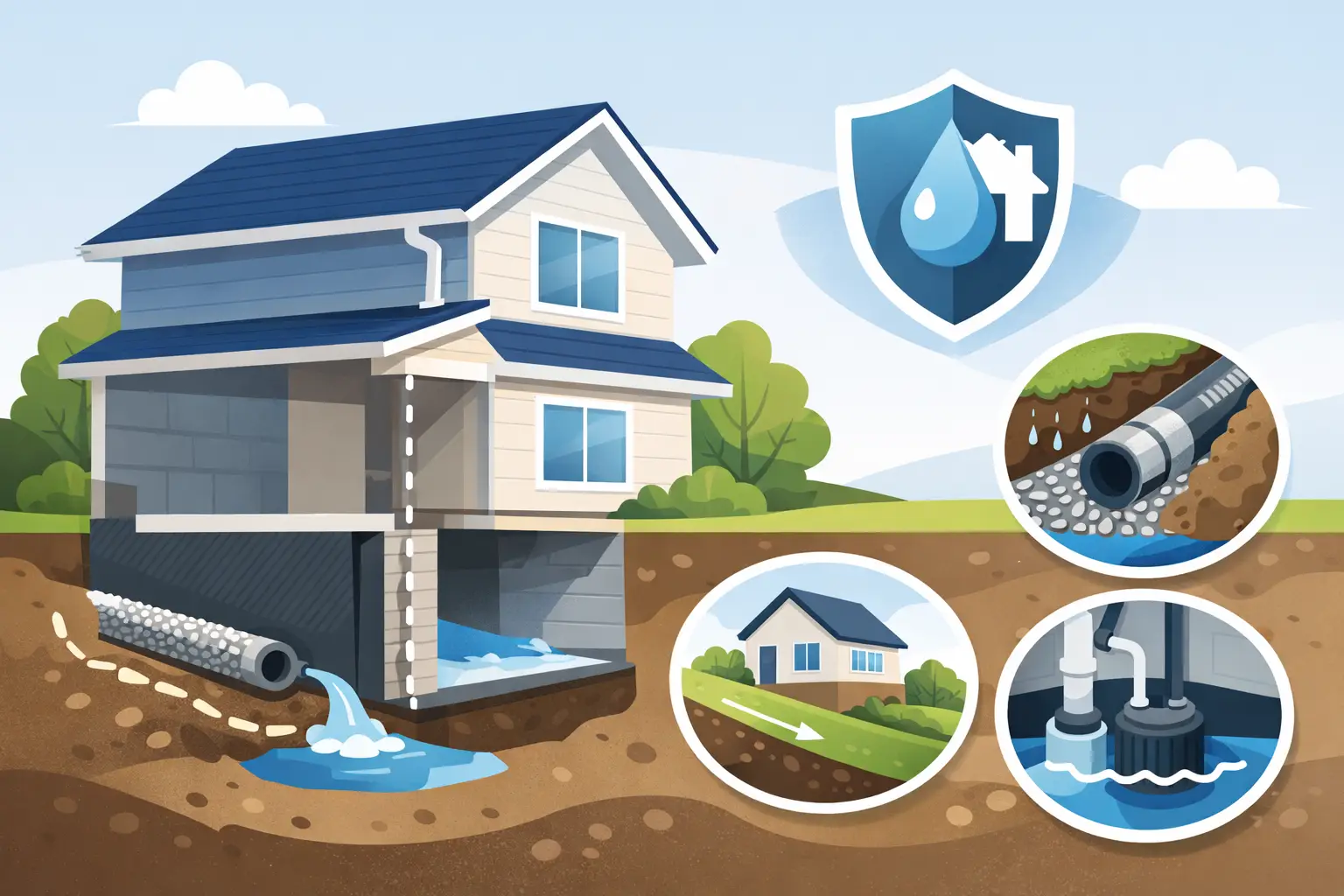
Foundation protection deserves special attention. Water should not sit against foundation walls or repeatedly soak the soil around them. Saturated soil can increase pressure on below-grade walls, contribute to leaks, and worsen existing cracks. Surface grading, downspout management, and perimeter drainage each play a different role in keeping that area dry.
Signs You Need Professional Drainage Work
Some drainage problems are clear after one storm. Others show up slowly through cracking, settlement, moss growth, or recurring wet spots. It is time to investigate when you see water pooling near the foundation, pavement sinking at the edges, soil washing away, water entering a garage, or sections of lawn that remain soft for long periods.
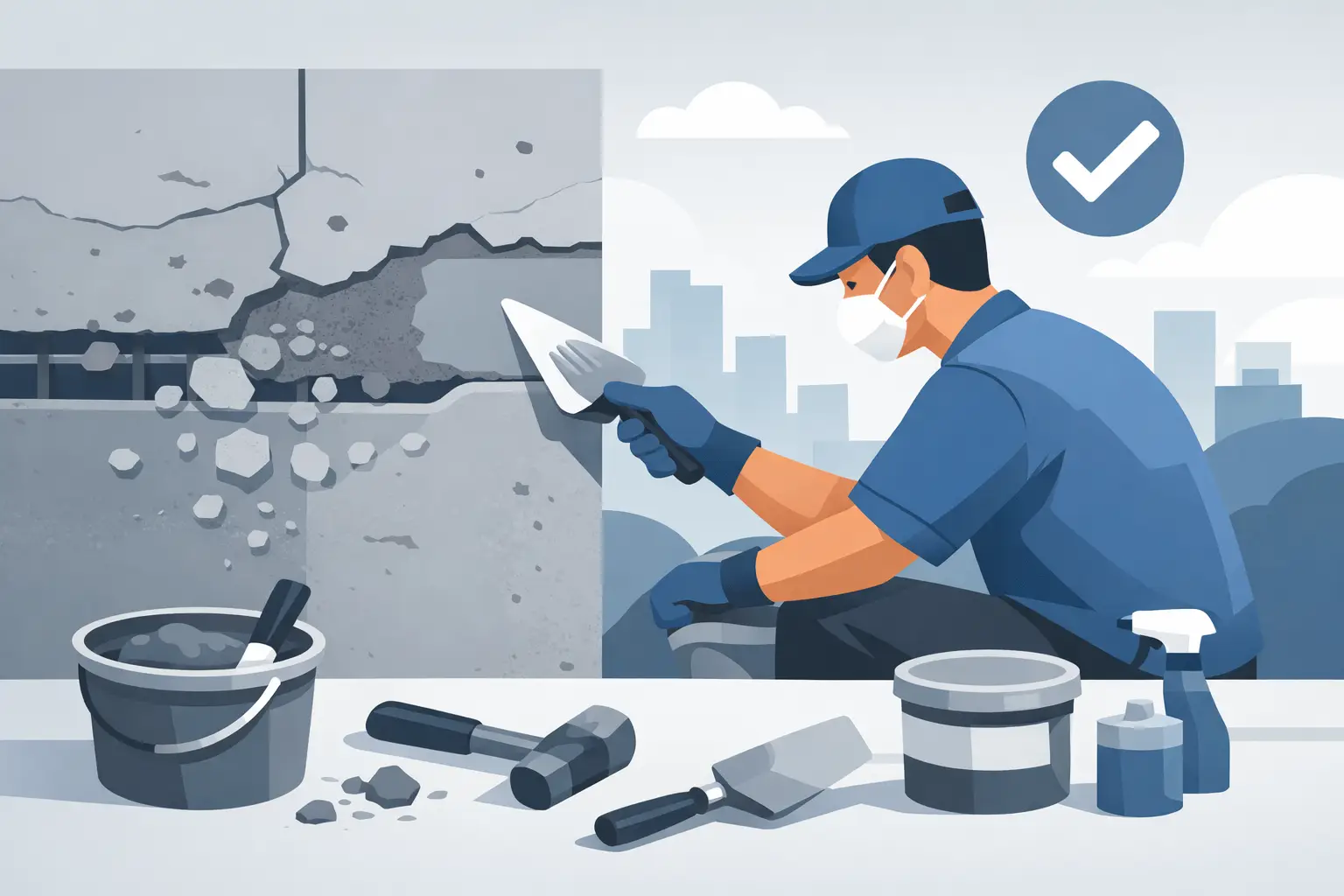
Repeated patchwork usually costs more than correcting the drainage path properly. Replacing damaged asphalt or concrete without addressing the water beneath it often leads to the same failure again. A reliable contractor will assess elevations, soil conditions, existing drains, paved surfaces, and discharge options before recommending work.
Build a Drainage System That Performs
The best yard drainage system is the one designed for your property’s actual water flow, not the most expensive option or the deepest trench. Sometimes a carefully graded swale and extended downspouts solve the issue. Other sites need French drains, catch basins, excavation, and hardscape adjustments working together.
ASAP Paving And Masonry approaches drainage as part of the full condition of the property. That means looking beyond the puddle to protect the surfaces and structures around it. With precise grading, durable materials, and a clear drainage plan, water can be directed where it belongs and your yard, driveway, patio, and foundation can stay built to perform.
If water keeps finding its way back after every rainfall, a professional on-site assessment can turn a recurring problem into a lasting repair.