A driveway has to do more than look clean on installation day. It has to carry vehicles, handle standing water, resist seasonal movement, and provide safe access year after year. When comparing asphalt versus concrete driveway durability, the better choice depends on your climate, soil conditions, traffic level, drainage, and willingness to maintain the surface.
Both materials can provide a strong, reliable driveway when they are installed correctly over a properly prepared base. The biggest failures usually begin below the surface. Weak subgrade, poor drainage, insufficient base material, and rushed installation can shorten the life of either asphalt or concrete.
Asphalt Versus Concrete Driveway Durability at a Glance
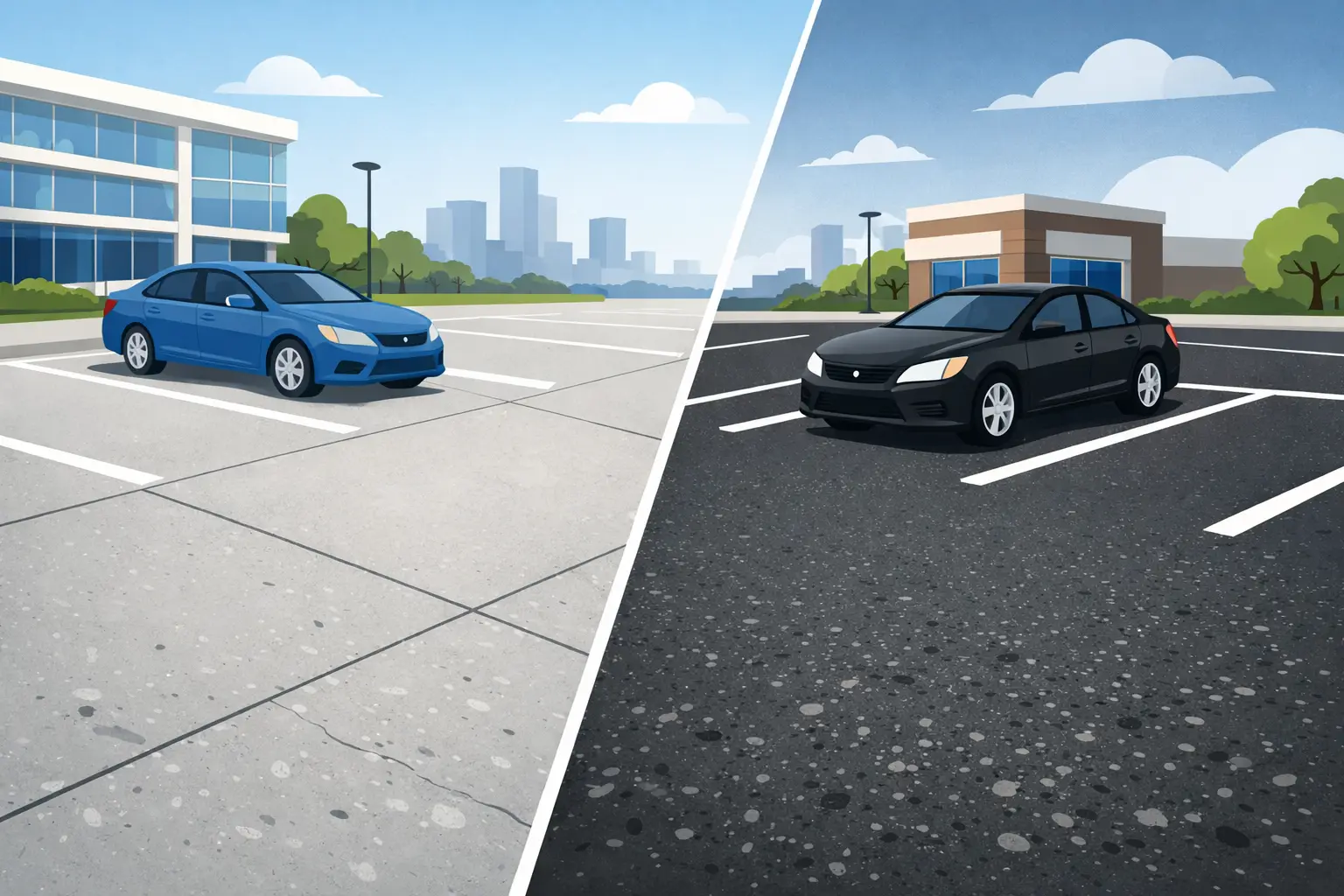
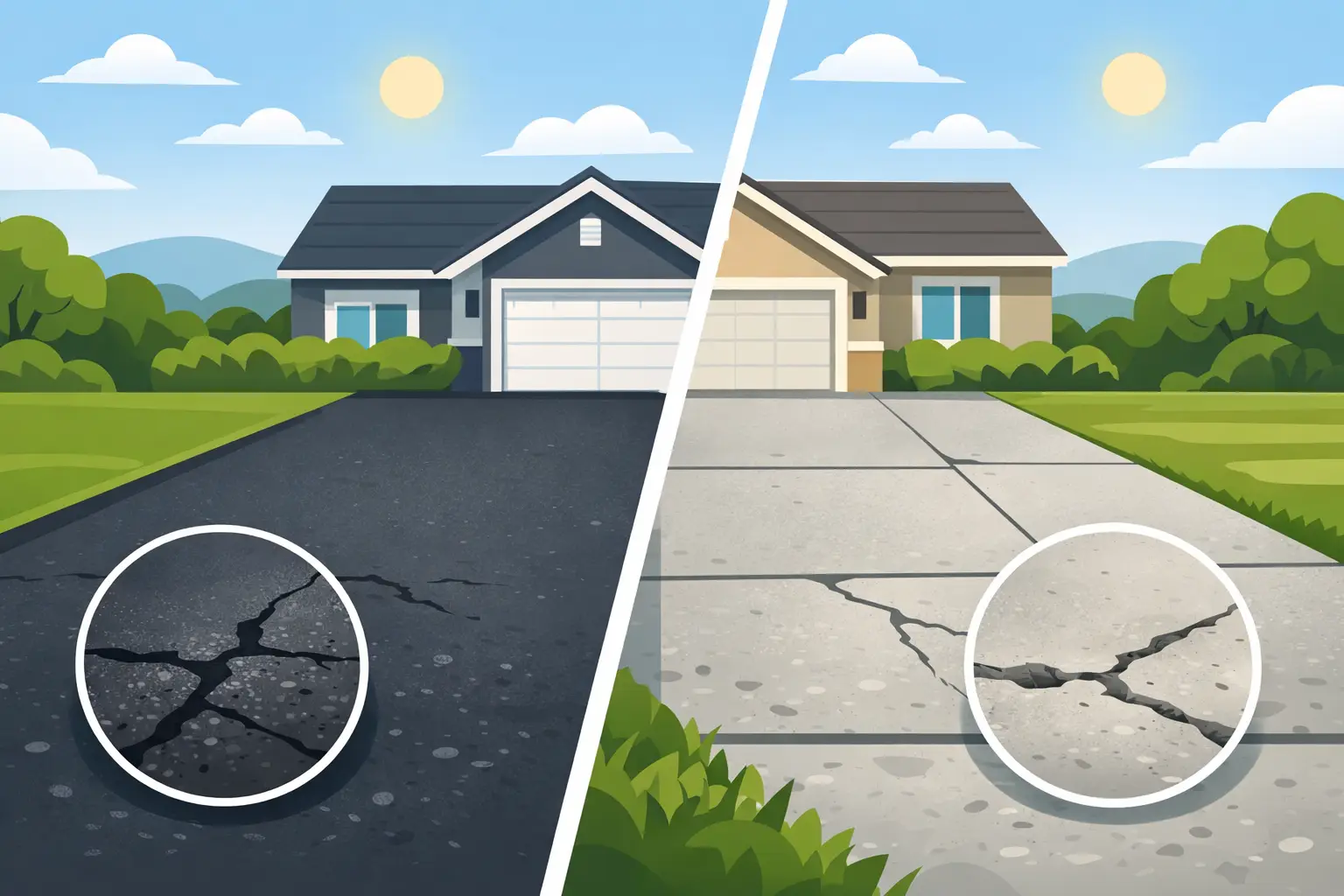
Asphalt is flexible. It can move slightly with temperature changes and minor ground movement without immediately cracking. That flexibility makes it a practical choice for areas with freeze-thaw cycles and properties where soil movement is a concern. With proper installation and regular seal coating, an asphalt driveway commonly performs well for 15 to 25 years.
Concrete is rigid and strong under compression. A properly designed concrete driveway can last 25 to 40 years or longer, particularly when it has a stable base, correctly placed control joints, and good drainage. Its longer service life can be attractive, but concrete is less forgiving when the ground shifts. Once a slab cracks or settles, repairs can be more visible and more involved.
The answer is not simply that concrete lasts longer. A well-built asphalt driveway can outlast poorly installed concrete, and a concrete driveway placed on unstable, wet ground can develop serious cracking far earlier than expected. Durable pavement starts with excavation, grading, compaction, and water control.
How Weather Affects Each Driveway Material
Weather is one of the most important factors in driveway performance. Asphalt and concrete react very differently to heat, cold, moisture, and deicing products.
Asphalt in Cold and Changing Weather
Asphalt’s flexibility is a major advantage in regions with cold winters. As the ground freezes and thaws, asphalt can accommodate minor movement better than a rigid slab. It is also darker in color, which helps snow and ice melt faster in sunlight.
However, asphalt softens in extreme heat. Heavy vehicles, sharp turns, trailer jacks, and parked vehicles can leave marks or depressions during very hot weather. Oil and fuel spills can also soften the binder if they are not cleaned promptly. Seal coating helps protect the surface from water, sunlight, and minor chemical exposure, but it does not replace a sound base or proper repairs.
Concrete in Heat, Freezing Conditions, and Salt
Concrete handles hot weather well and will not soften under normal vehicle loads. It provides a firm, clean-looking surface that can be especially appealing for homes and commercial entrances. But freezing conditions create a different challenge. Water that enters cracks, joints, or poorly drained areas can freeze, expand, and contribute to cracking or surface damage.
Deicing salts require care on concrete, especially during the first winter after installation. Certain products can cause scaling, flaking, and surface deterioration. A quality mix, correct finishing practices, adequate curing, and a suitable sealer all help protect concrete from moisture and winter exposure.
The Base and Drainage Matter More Than Most Owners Expect
A driveway surface is only as dependable as the support beneath it. Whether you choose asphalt or concrete, the crew should evaluate the existing soil, remove weak material where necessary, establish the correct slope, and compact a strong aggregate base.
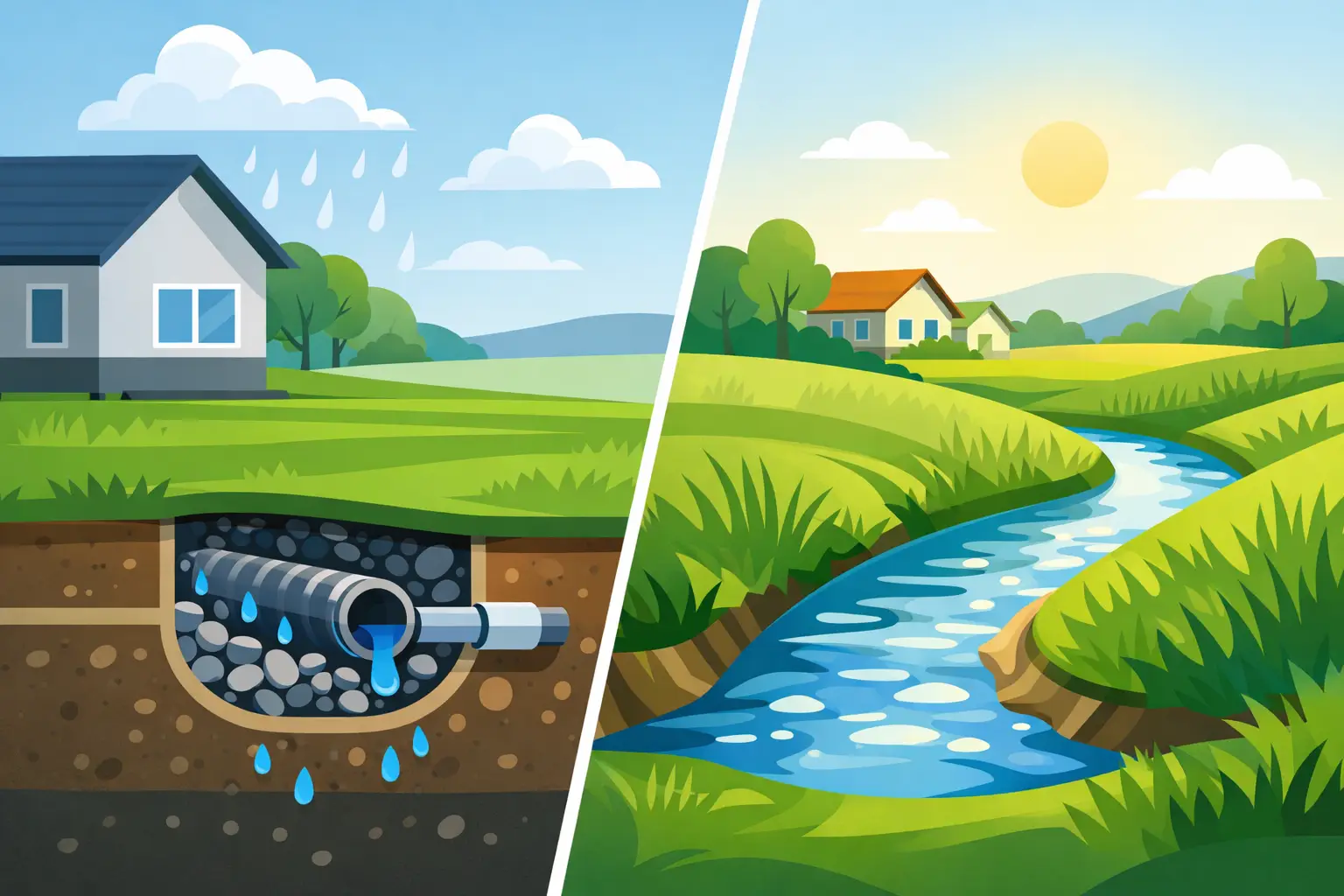
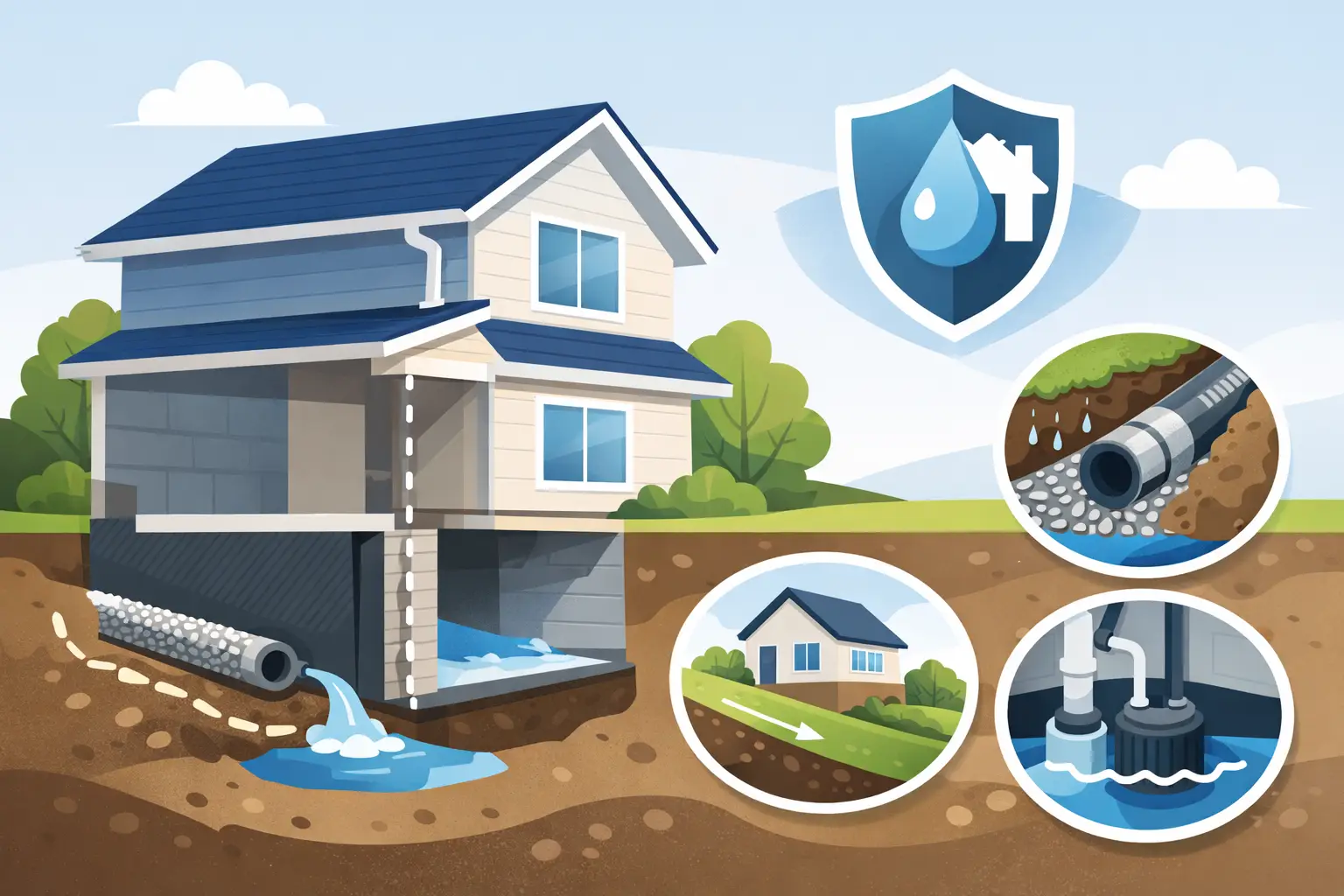
Water is a common cause of driveway damage. If runoff flows beneath an edge, collects near the garage, or saturates the soil below the pavement, the base can weaken. Asphalt may develop alligator cracking, rutting, or depressions. Concrete may settle, crack, or lift unevenly during frost movement.
Proper grading directs water away from the driveway, foundation, and surrounding structures. In some cases, drainage improvements, catch basins, edging, or excavation are needed before paving begins. This work is not an add-on to ignore. It is part of building a driveway that is truly built to last.
Maintenance Requirements and Repair Options
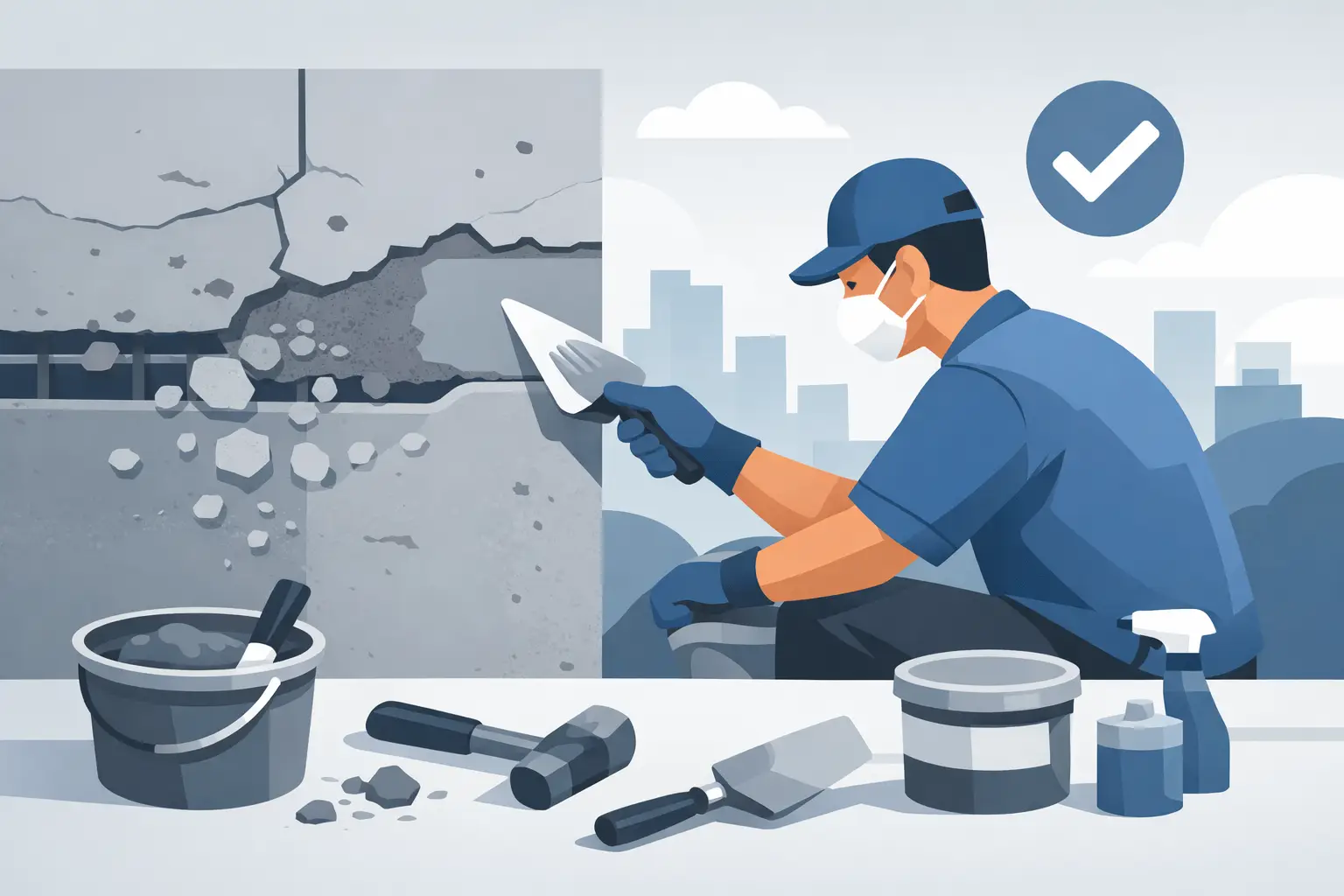
Asphalt requires more routine attention, but maintenance is generally straightforward. Small cracks should be filled before water reaches the base. Seal coating every few years can refresh the appearance and help slow oxidation from sun and weather exposure. When damage is localized, crews can often remove and replace the affected section without rebuilding the entire driveway.
Concrete requires less frequent surface maintenance, but it still benefits from crack monitoring, joint sealing where appropriate, and periodic cleaning. A penetrating or film-forming sealer may help reduce moisture intrusion and staining. Concrete does not need seal coating in the same way asphalt does, yet ignoring cracks and drainage issues can lead to more difficult repairs later.
Repair appearance is another practical difference. Asphalt patches tend to blend more naturally over time as the driveway weathers. Concrete patching can remain noticeable because matching the original color, texture, and age of the slab is difficult. For concrete with widespread damage, slab replacement may be the better long-term solution.
Traffic Loads Can Change the Best Choice
For most residential driveways used by passenger vehicles, either material can perform well with the correct thickness and base preparation. The decision often comes down to appearance, maintenance preferences, budget, and local weather conditions.
Properties with heavier demands need a more careful design. Delivery trucks, work vans, RVs, dumpsters, trailers, and frequent commercial traffic put far more stress on a driveway than daily family vehicle use. Concrete may be a strong option for areas where heavy loads remain parked or turn repeatedly, such as dumpster pads, loading areas, and commercial entrances.
Asphalt can also be engineered for heavier traffic with proper pavement thickness and a well-compacted stone base. The key is to be honest about how the surface will be used. Installing a light residential driveway design where heavy equipment travels is a fast path to cracking, rutting, and premature repairs.
Cost Versus Long-Term Value
Asphalt typically has a lower initial installation cost than concrete. It can also be installed and opened to traffic relatively quickly, making it a practical option when timing and upfront budget are priorities. The trade-off is ongoing care, including crack filling and periodic seal coating.
Concrete usually costs more at the start because of material, forming, finishing, jointing, and curing requirements. Over a long service life, its lower routine maintenance needs can make the investment worthwhile for some property owners. Decorative finishes, color, stamped patterns, and complex layouts can increase the final cost further.
Long-term value should include more than the initial quote. Consider expected maintenance, repair options, drainage work, accessibility needs, curb appeal, and the consequences of a driveway failure. The lowest price is rarely the best value when base preparation or water management has been reduced to cut costs.
When Asphalt Is the Better Durable Choice
Asphalt is often the right fit when a property experiences frequent freeze-thaw cycles, when a flexible pavement is preferred, or when the owner wants a cost-effective driveway that can be repaired in sections. It is also a practical option for long driveways, rural properties, and projects where a smooth black finish is the preferred look.
Its durability depends on keeping water out of the pavement structure. Prompt crack filling, reliable drainage, and scheduled seal coating make a real difference. Asphalt is not maintenance-free, but it can be a dependable, lasting surface when cared for properly.
When Concrete Is the Better Durable Choice
Concrete is often the stronger choice for owners who want a long service life, a lighter finished appearance, and excellent resistance to normal vehicle weight in hot conditions. It works well for driveways with a clean architectural look, as well as locations that need firm surfaces for heavier parked vehicles.
It is best suited to sites where grading and base work can control movement and drainage. Correct joint placement is essential because concrete will crack as it shrinks and responds to changing conditions. Control joints guide that movement so cracks are less likely to appear randomly across the surface.
Choose the Contractor and Preparation, Not Just the Material
Material selection matters, but workmanship determines whether that material can perform. A reliable driveway project begins with a site assessment that considers soil, slopes, drainage paths, vehicle loads, thickness, base depth, and the condition of existing pavement.
At ASAP Paving And Masonry, driveway work is approached as a full property system, not just a new top layer. Proper excavation, grading, drainage, compaction, and precision installation create the foundation for a strong finish and dependable performance.
The best driveway for your property is the one designed for its real conditions, not the one that simply looks good in a sample photo. A clear on-site assessment and an honest estimate can help you choose a surface that stays safe, attractive, and reliable through the years.