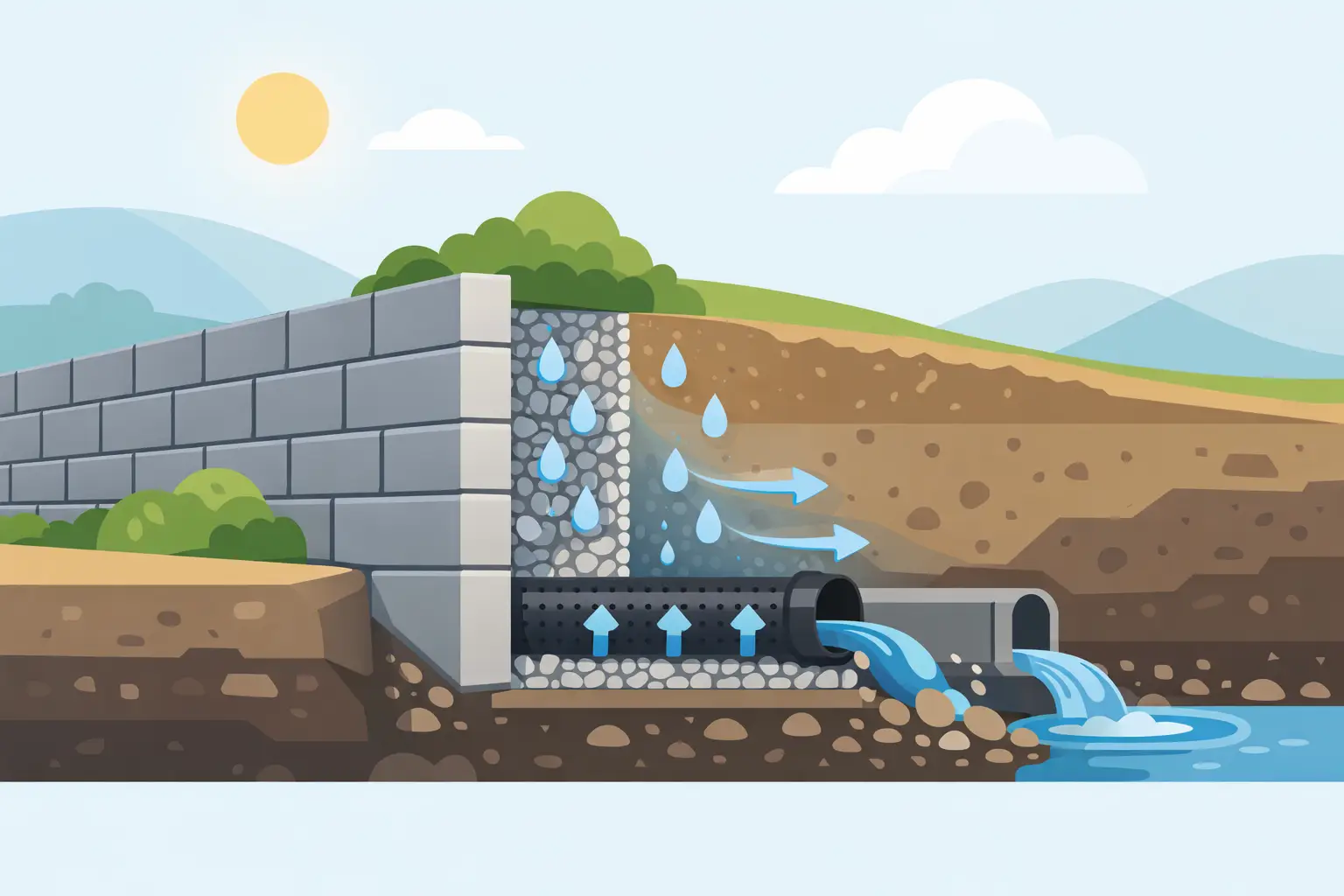
A retaining wall can look solid from the front while water is quietly building pressure behind it. That pressure is one of the main reasons walls lean, crack, bow, or fail before their time. A properly installed retaining wall drainage system gives water a controlled path away from the structure, protecting the wall, nearby pavement, landscaping, and foundation areas.
Drainage is not an optional finishing detail. It is part of the wall’s structural work. Whether the wall supports a sloped yard, frames a patio, holds back soil beside a driveway, or manages grade changes on a commercial site, reliable drainage helps keep the entire installation strong, dry, and built to perform.
Why Water Causes Retaining Wall Failure
Soil absorbs water during rainfall, snowmelt, irrigation, and runoff from roofs or paved surfaces. Once that soil becomes saturated, it becomes much heavier. It also creates hydrostatic pressure – force that pushes outward against the back of the retaining wall.
Masonry, concrete, block, and timber walls can all be affected. A strong wall face alone cannot solve a drainage problem behind it. When water has nowhere to go, pressure increases until the wall begins to show warning signs. Those signs may include horizontal cracks, separated joints, bulging sections, loose blocks, washed-out soil, standing water, or a wall that has started to lean.
Freeze-thaw conditions make the issue worse. Water trapped in soil or small wall cracks can freeze, expand, and force materials apart. Over repeated winters, minor moisture problems can turn into structural repairs that are far more involved than proper drainage during installation.
What a Retaining Wall Drainage System Includes
The right drainage design depends on the wall height, soil type, slope, location, and amount of water moving through the property. Still, most dependable systems use several components that work together rather than relying on one drain alone.
Free-Draining Stone Backfill
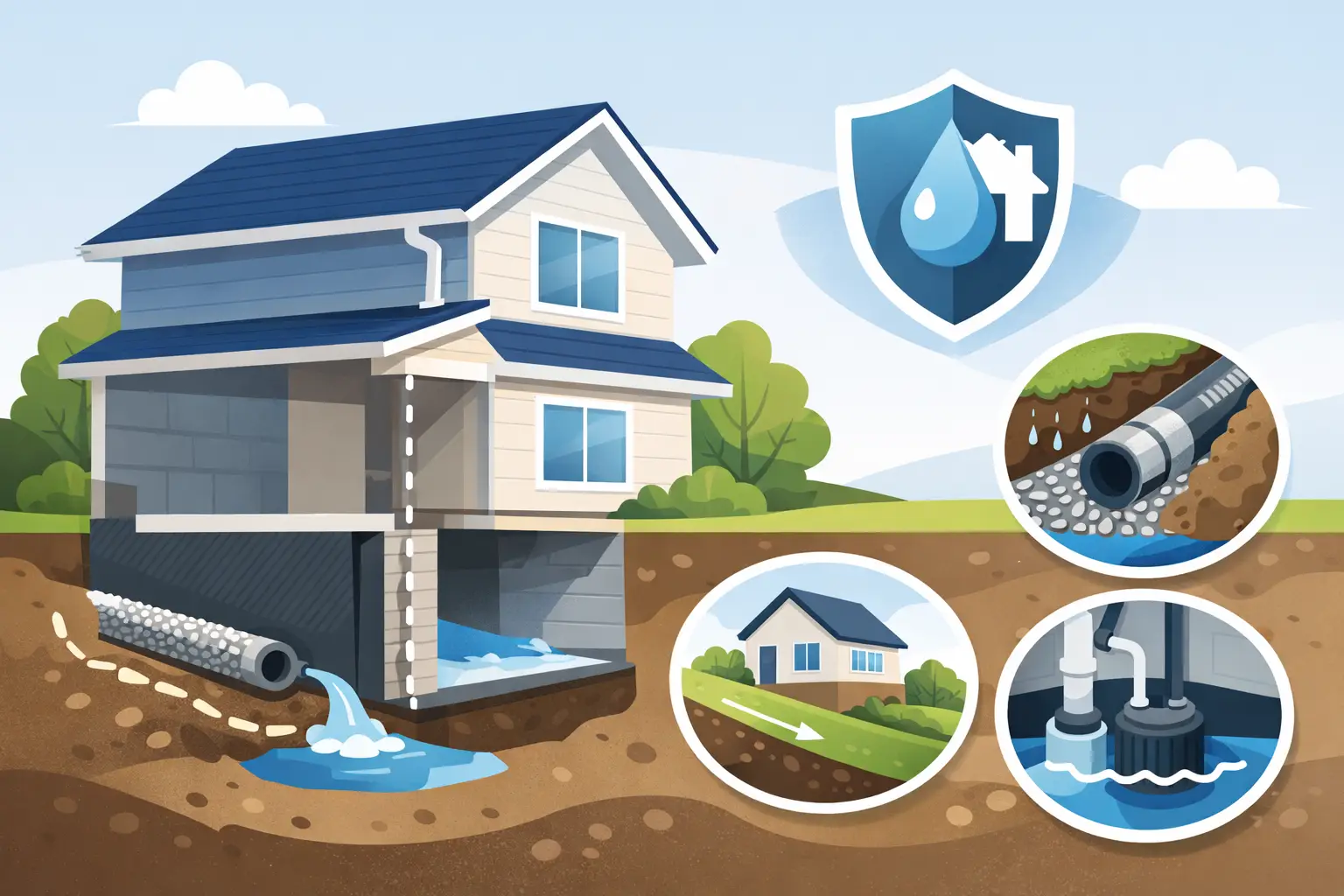
The area directly behind a retaining wall should not be filled only with excavated soil. A layer of clean, crushed stone allows water to move downward instead of remaining trapped against the wall.
This stone zone reduces pressure and provides a clear route to the collection drain at the bottom of the wall. The depth and width of the gravel backfill should match the wall design and site conditions. Taller walls and heavy-water areas often require more careful engineering and greater drainage capacity.
Perforated Drain Pipe
A perforated drain pipe, often called a French drain or footing drain, is typically placed at the base behind the wall. It gathers water that passes through the stone backfill and carries it toward an approved outlet.
The pipe needs the correct slope to work properly. If it is flat, crushed, disconnected, or directed toward an area where water cannot safely discharge, it will not provide reliable protection. The outlet may lead to daylight on a lower grade, a suitable drainage area, or a properly designed stormwater connection where permitted.
Filter Fabric
Landscape filter fabric is used to keep fine soil particles from washing into the stone and pipe. Without separation, soil can gradually clog the drainage layer. Water movement slows, pressure rises, and the system loses the performance it was installed to provide.
Fabric must be selected and placed correctly. It should separate soil from aggregate without blocking water flow. Poor-quality materials or incorrect placement can create a false sense of protection while allowing clogging problems to develop below grade.
Wall Drainage Openings
Some retaining walls also use weep holes or drain outlets through the wall face. These openings allow trapped water to exit instead of collecting behind masonry or concrete.
Weep holes are especially useful on certain concrete and masonry walls, but they are not a replacement for stone backfill and a proper drain pipe. They are one part of a complete water-management plan. Their placement should be clean, consistent, and designed to avoid staining, erosion, or drainage onto walkways and neighboring property.
Proper Grading Matters Above the Wall
Water control begins at the surface. If the ground above a retaining wall slopes toward the wall, runoff can overload even a well-built drainage system. The finished grade should guide water away from the top of the wall whenever possible.
Downspouts deserve close attention as well. A downspout that empties directly behind a retaining wall can saturate the soil with every storm. Redirecting roof runoff away from the wall reduces unnecessary water pressure and helps protect patios, driveways, foundations, and landscaped areas below.
On commercial and industrial properties, larger paved areas may send significant runoff toward retaining structures. Catch basins, swales, trench drains, and carefully planned grading may be needed to control that volume. These sites require a practical plan that considers traffic areas, access routes, site operations, and local drainage requirements.
Common Drainage Mistakes That Lead to Repairs
The most expensive retaining wall problems often begin with shortcuts that are hidden after the project is complete. Filling the back of the wall with clay-heavy soil, skipping the drain pipe, using the wrong stone, or failing to provide an outlet can all lead to pressure buildup.
Another common mistake is building a wall without addressing the slope and runoff around it. A wall may be level and visually appealing on installation day, but water will expose weak site preparation over time. Drainage must be considered before excavation begins, not after cracks appear.
Using a drain pipe without protecting it from soil is also risky. Fine sediment can enter perforations and reduce flow. In other cases, contractors place the pipe too high behind the wall, leaving water to collect at the base where pressure is greatest.
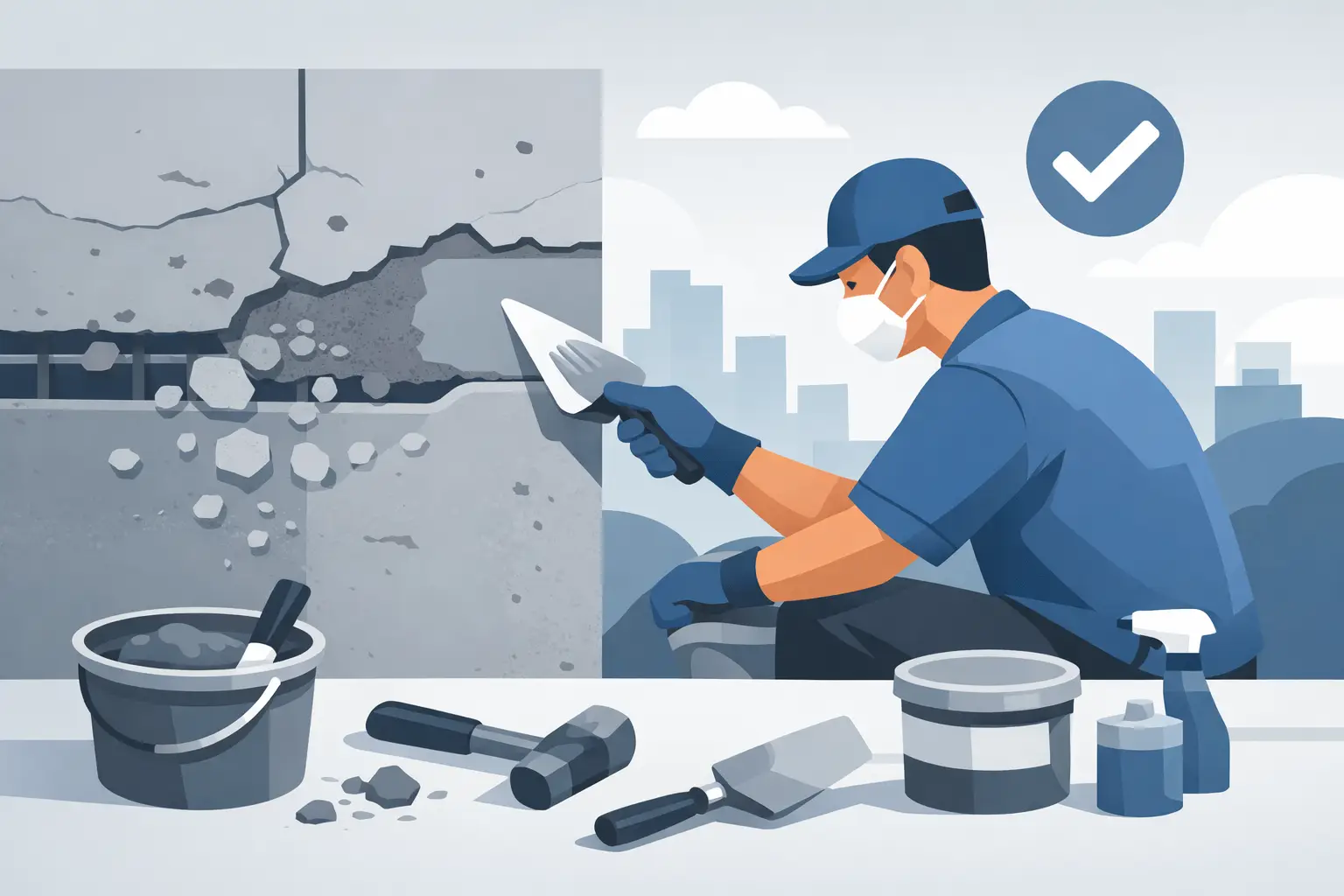
For existing walls, avoid simply covering a visible problem with new soil, caulk, or decorative stone. These cosmetic fixes may hide the symptom while water continues to damage the structure. A professional inspection can identify whether the issue is surface runoff, blocked drainage, failed backfill, settlement, or a wall that requires rebuilding.
When an Existing Wall Needs Drainage Work
A retaining wall does not need to collapse before it deserves attention. Early action can limit repair costs and protect the surrounding property. Call for an assessment if you notice recurring pooling behind or beside the wall, damp staining, soil washing through joints, cracks that are widening, loose stones or blocks, or sections that appear to be moving outward.
The repair approach depends on the condition of the wall. In some cases, improving surface grading and redirecting downspouts may reduce the water load. In others, sections of the wall may need to be excavated so new stone, filter fabric, and drain pipe can be installed. A wall with major movement may require partial or full reconstruction on a stronger base.
There is no one-size-fits-all repair because every property handles water differently. Soil composition, nearby structures, slope, wall materials, and drainage outlets all affect the right solution. The goal is not merely to move water somewhere else. It is to direct it safely without creating erosion, icing, flooding, or damage elsewhere on the property.
Choosing a Contractor for Retaining Wall Drainage
Drainage work should be handled by a contractor who understands excavation, grading, masonry, and site drainage as connected parts of the same project. A quality installation starts with evaluating the grade and soil conditions, then building the wall on a properly prepared base with a drainage plan that has a clear outlet.
Ask how water will be collected, where it will discharge, what stone and pipe will be used, and how the pipe will be protected from sediment. Clear answers matter. Reliable workmanship should not leave essential details hidden behind a finished wall.
ASAP Paving And Masonry provides retaining wall, excavation, grading, and drainage work with a focus on strong preparation and lasting performance. A clear on-site assessment helps determine the practical solution for your property, whether you are planning a new wall or addressing water problems around an existing one.
Water always finds the weakest route. Give it a properly designed path away from your retaining wall, and the structure has a far better chance of staying straight, stable, and dependable through years of weather and use.