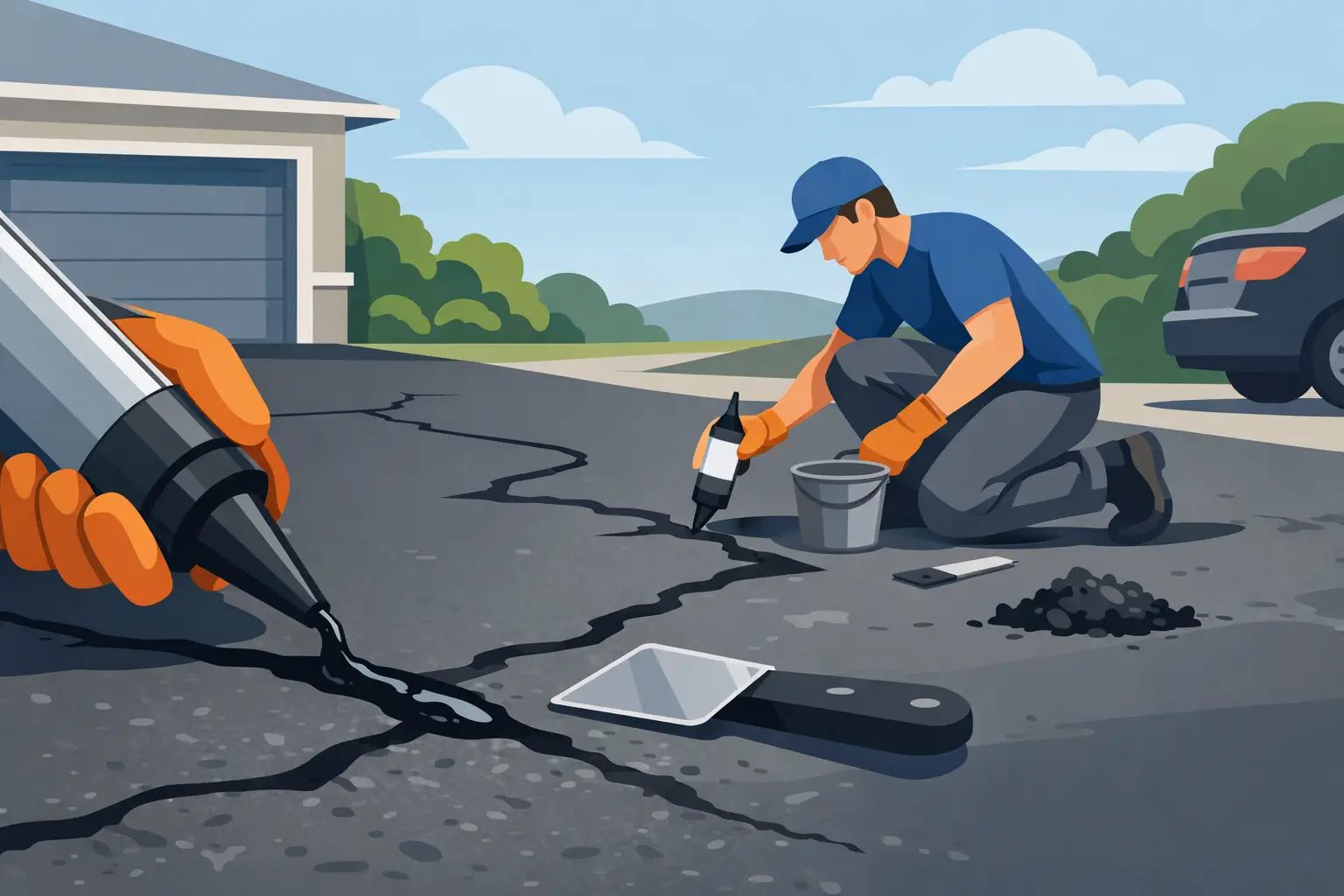
A small driveway crack can look harmless on a dry afternoon. After a few rainstorms, freezing weather, and daily vehicle traffic, that same opening can allow water below the asphalt and begin weakening the base that supports it. When you need to fill cracks in an asphalt driveway, timing and preparation matter as much as the filler itself.
Crack filling is a practical way to protect a driveway that is otherwise stable. It keeps water out, improves appearance, and can delay the need for more extensive repair. But not every crack is a simple maintenance issue. The size, pattern, and cause of the damage determine whether a crack filler will provide a lasting result or only cover a deeper problem.
Why Asphalt Driveway Cracks Need Attention
Asphalt is durable, flexible, and built to handle regular use, but it is not waterproof forever. Sun exposure dries the surface over time. Seasonal temperature changes cause expansion and contraction. Rain and melting snow find their way into even narrow openings.
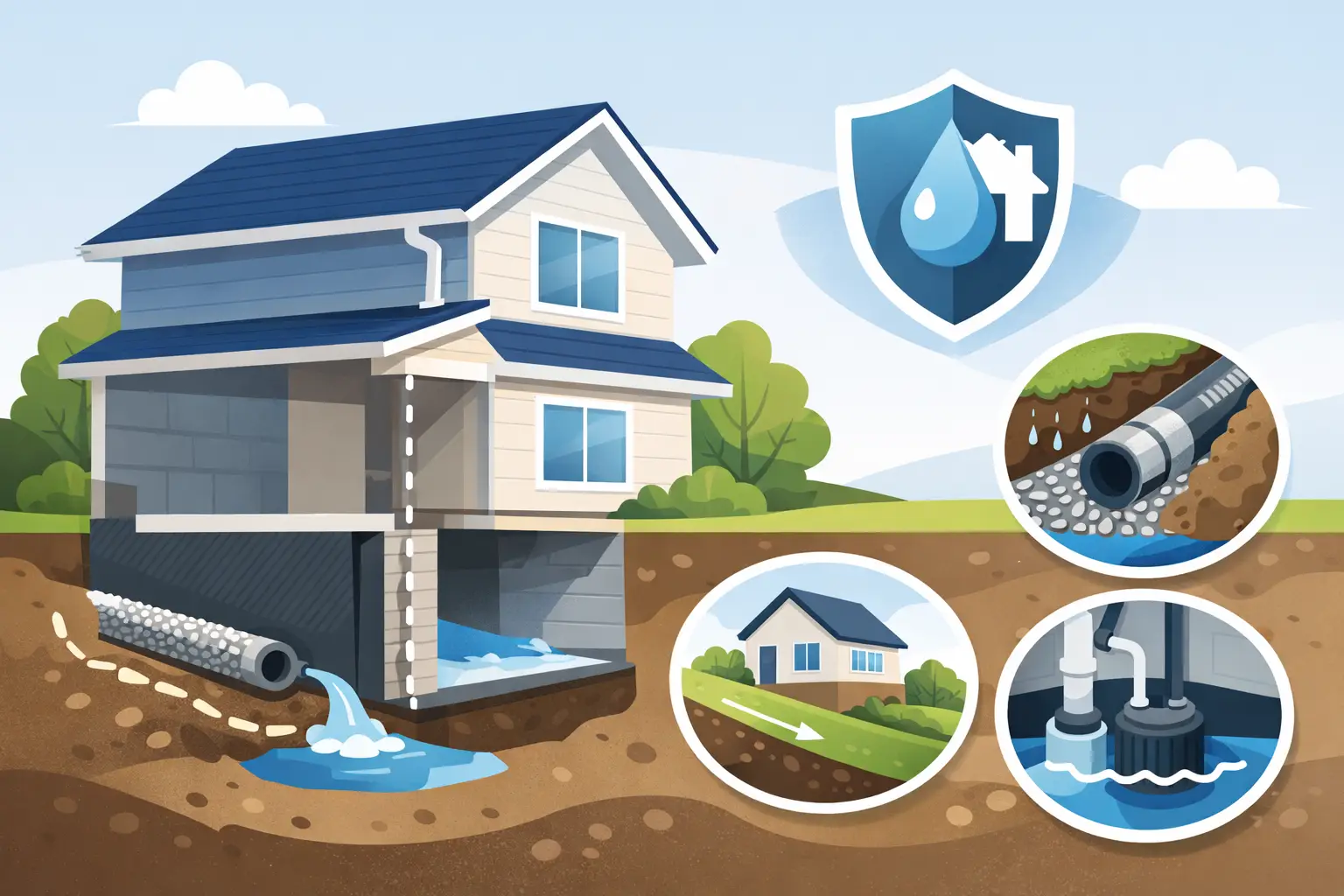
Once water reaches the gravel base or soil beneath the driveway, the problem can grow quickly. The base may soften, shift, or wash away. In colder areas, trapped moisture can freeze, expand, and force the crack wider. A surface repair that could have been handled early may then turn into a larger patching, drainage, or repaving project.
Filling cracks does more than improve curb appeal. It is a protective measure that helps preserve the structure beneath the pavement. For homeowners, that means a cleaner, safer entrance and better long-term value. For commercial and industrial properties, it helps reduce trip hazards, vehicle impact, and preventable surface deterioration.
When to Fill Cracks in an Asphalt Driveway
The best time for crack repair is when the driveway is dry and temperatures are moderate. A dry surface allows the repair material to bond properly to the asphalt walls of the crack. Avoid filling cracks during rain, immediately after washing the driveway, or when moisture is still visible inside the opening.
Late spring, summer, and early fall are usually suitable repair periods. Extremely hot weather can make some materials difficult to control, while cold weather can prevent proper adhesion and curing. Product requirements vary, so the material selected should always match the expected temperature range and crack size.
Do not wait for a crack to become a gap. Narrow cracks are generally easier and less expensive to repair than wide, broken sections. A driveway that receives heavy trucks, frequent turning traffic, or repeated snowplow use should be inspected more often because those stresses can accelerate damage.
Cracks That Are Usually Good Candidates for Filling
Straight or lightly irregular cracks with solid asphalt on both sides are often suitable for crack filler. Small shrinkage cracks, minor edge cracks, and isolated openings caused by normal aging can often be sealed successfully after thorough cleaning.
A crack that is roughly a quarter-inch to one inch wide may need a specific filler or a combination of backer material and sealant, depending on its depth. The goal is not simply to place material on top. The repair must fill the void and create a flexible, weather-resistant seal at the surface.
Signs That Filling Alone Is Not Enough
Some damage points to a failed base, poor drainage, or worn-out asphalt rather than a simple surface crack. Alligator cracking, which resembles a network of connected scales, is a common example. It usually means the pavement has lost structural support and needs removal and base repair in the affected area.
Depressions, potholes, heaving, crumbling edges, and cracks that continue to reopen also require a closer assessment. Filling these areas without correcting the cause can trap the visible problem beneath a temporary surface layer. Reliable repair starts with identifying why the asphalt moved or failed.
How to Fill Asphalt Driveway Cracks Properly
A durable crack repair follows a straightforward process, but it should not be rushed. The surface must be clean, dry, and stable before filler is applied.
Clean the Crack Completely
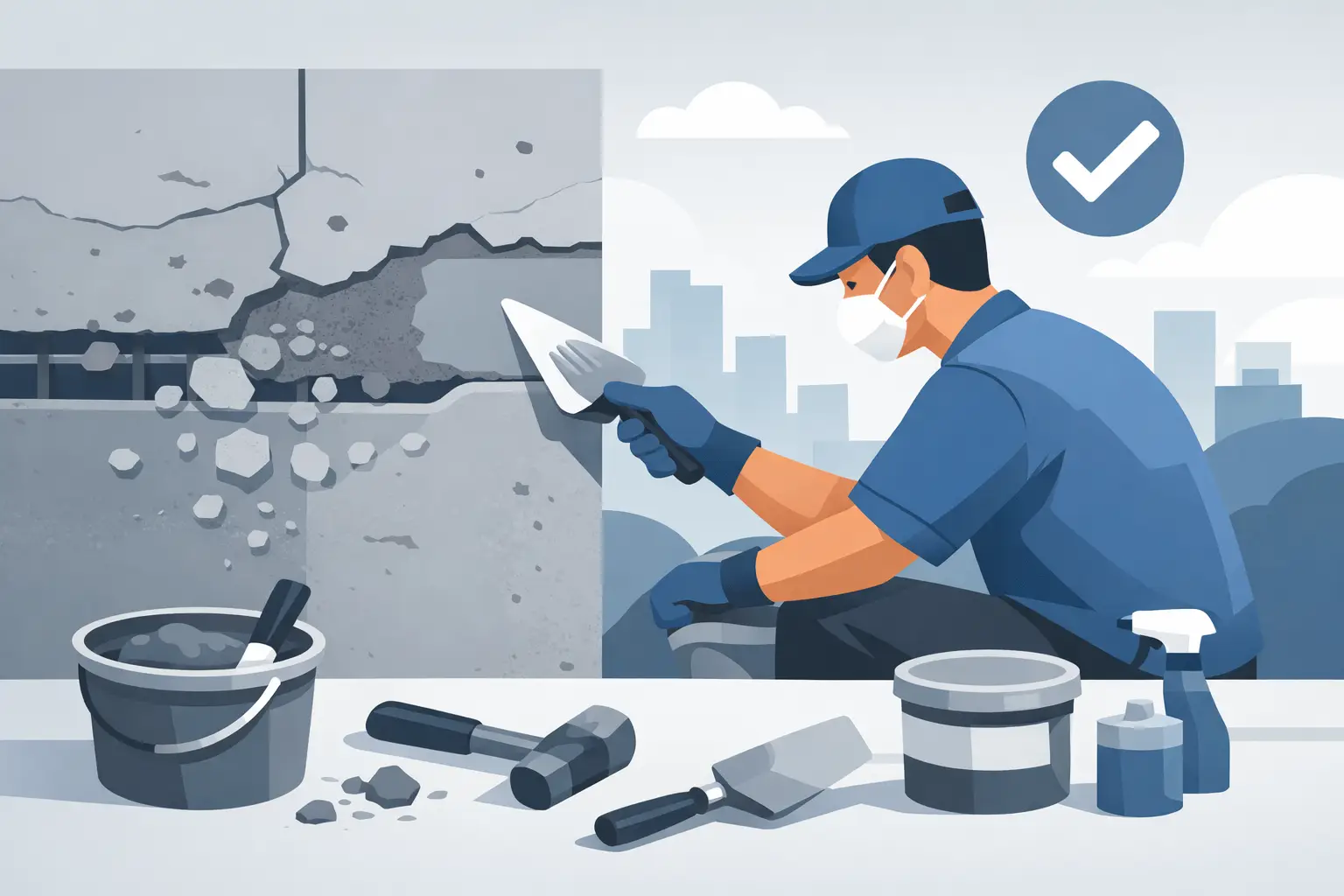
Remove loose asphalt, dirt, weeds, and debris from the crack. A wire brush, screwdriver, shop vacuum, or compressed air can help clear the opening. For wider cracks, loose material along the edges should be removed until the remaining asphalt is firm.
This step is essential. Filler cannot bond reliably to dust, mud, vegetation, or crumbling pavement. If water has collected in the crack, allow it to dry completely before moving forward.
Prepare Wide or Deep Openings
Deep cracks may use more filler than necessary and can settle after the repair. In some cases, a foam backer rod or compatible crack filler base material can be placed below the sealant. This supports the repair and helps maintain the right depth of flexible material near the surface.
The correct approach depends on the product and the condition of the crack. Overfilling a deep void with the wrong material can create a weak repair. If the crack has washed out underneath the driveway, professional evaluation is the safer choice.
Apply the Right Crack Filler
For small cracks, pourable asphalt crack filler is often appropriate. It flows into narrow openings and can be smoothed level with the driveway surface. Wider cracks may require a heavier trowel-grade patching compound designed for asphalt.
Use a caulking gun, pour pot, trowel, or squeegee based on the material selected. Work steadily and avoid leaving high ridges that may catch tires, shovels, or snowplow blades. The filler should be level with, or just slightly below, the surrounding surface unless the manufacturer directs otherwise.
Not all materials perform the same way. Asphalt-based fillers are commonly used for standard driveway cracks, while rubberized products can provide greater flexibility in areas with temperature movement. The best choice depends on crack width, climate, traffic, and whether the driveway has a stable base.
Allow Proper Cure Time
Keep foot traffic and vehicles off the repaired area for the recommended curing period. This is especially important in warm weather, when fresh material can track onto tires or pull out of the crack before it sets.
A repair that looks dry on top may still be curing underneath. Giving it adequate time helps it form a stronger, cleaner seal that is built to perform through changing weather.
Sealcoating Comes After Crack Repair
Sealcoating can restore the dark appearance of asphalt and provide an added layer of protection against sun, water, oil, and normal wear. It is not a substitute for crack repair. Applying sealer over open cracks may hide them temporarily, but water can still work below the surface.
Cracks should be cleaned and filled first, then allowed to cure before sealcoating is considered. A professional can recommend the right schedule based on driveway age, surface condition, traffic levels, and the products being used. Freshly installed asphalt also needs adequate curing time before it is sealed.
Preventing New Driveway Cracks
No asphalt driveway stays perfect forever, but regular maintenance can slow deterioration. Keep the surface clear of standing water and make sure nearby downspouts do not discharge directly onto the pavement. Water should be directed away through proper grading and drainage, not allowed to pool along the driveway edge.
Avoid parking heavy equipment in the same spot for long periods, particularly near unsupported edges. Repair oil and fuel spills promptly, since petroleum products can soften asphalt binder. During winter, use care with metal snow shovels and avoid aggressive plowing that catches damaged edges.
A yearly inspection is a dependable habit. Look for new cracks, widening seams, low spots, loose edges, and areas where water remains after rain. Early attention keeps maintenance manageable and helps protect the investment already under your wheels.
When to Call a Professional Paving Contractor
A contractor should inspect the driveway when cracks are widespread, repeatedly return after filling, or occur alongside sinking, standing water, and broken pavement. These signs can point to drainage failures, inadequate base material, soil movement, or structural wear that surface filler cannot correct.
Professional asphalt repair may include saw-cut removal, base rebuilding, grading, drainage correction, patching, crack filling, or a properly planned overlay. The right solution should address both the visible damage and the condition below it. This approach delivers a stronger, more lasting surface rather than a short-term cover-up.
ASAP Paving And Masonry provides clear evaluations and durable driveway repair work for property owners who want dependable results. A proper assessment helps ensure your repair budget goes toward work that protects the driveway, controls water, and supports long-term performance.
A filled crack is a small line of defense, but it works best when the driveway beneath it is stable, dry, and properly maintained. Address the damage while it is still manageable, and your asphalt will be better prepared for the next season of traffic and weather.