A driveway can look smooth on the day it is installed and still fail long before it should. That is why a residential paving contractor review checklist should look beyond star ratings. The reviews that matter most tell you whether a contractor prepares the base correctly, manages water, keeps promises, explains the work clearly, and stands behind the finished surface.
For homeowners, paving is not a small cosmetic purchase. It affects curb appeal, daily access, vehicle safety, drainage, and property value. A reliable contractor should make the process straightforward and deliver a strong, lasting result built for your soil conditions, weather exposure, and regular traffic.
Start With the Details Behind the Rating
A high average rating is encouraging, but it is only the starting point. Read a meaningful sample of recent reviews, including both the five-star comments and the less favorable ones. A company with hundreds of strong reviews over several years offers a different level of confidence than one with a handful of vague recommendations posted in the same month.
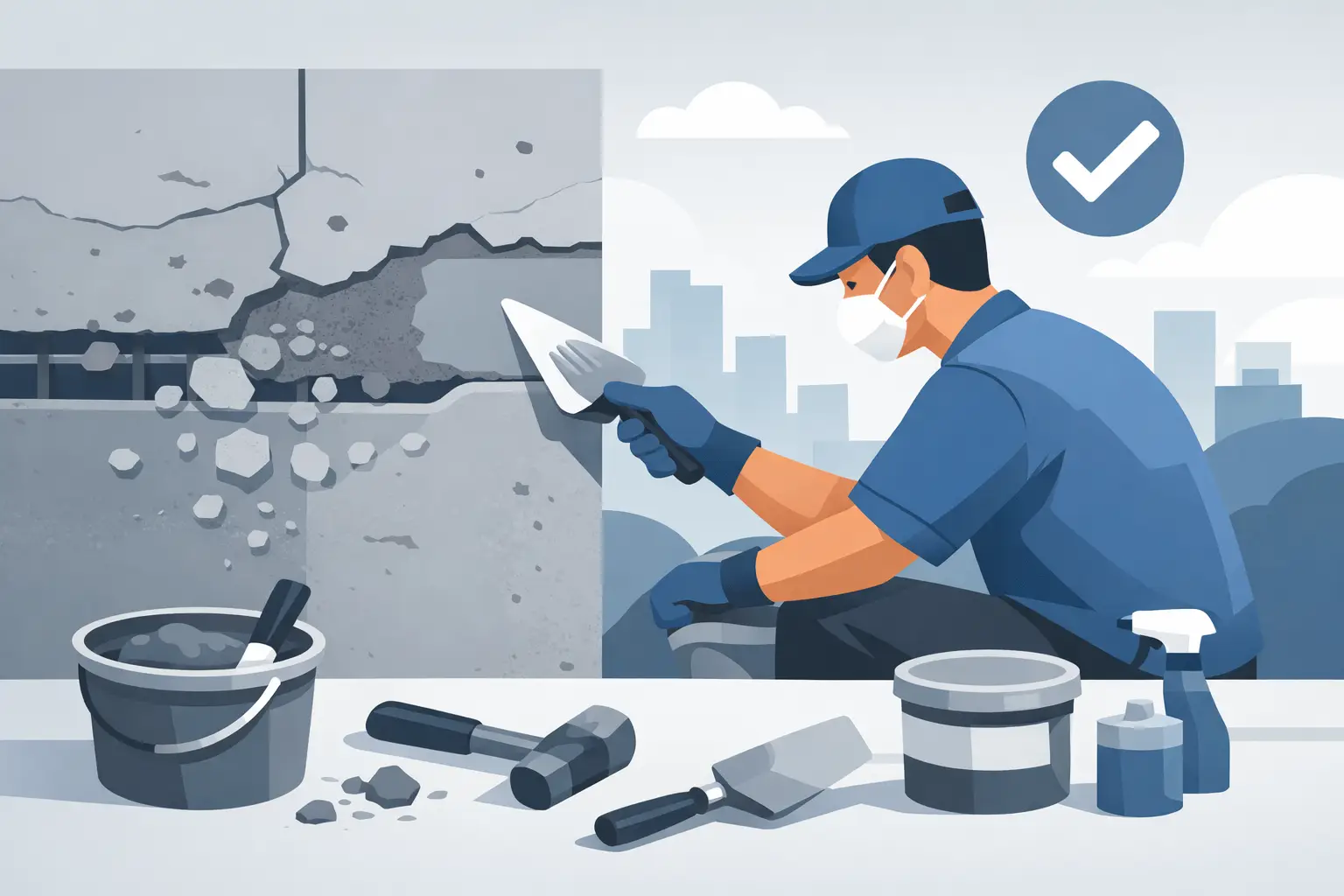
Look for reviews that describe the actual project. Homeowners who mention driveway removal, excavation, grading, gravel base installation, asphalt thickness, edging, drainage improvements, crack repair, or seal coating are giving you more useful information than a simple statement that the crew was “great.”
Specific details show that the reviewer experienced the contractor’s process from estimate through completion. They can also reveal whether the contractor handles the essential work below the surface, not just the visible top layer of asphalt.
Pay attention to timing as well. Recent reviews show how the company is performing now. Older reviews are valuable when they report that a driveway, patio, retaining wall, or concrete surface is still holding up after several seasons. Lasting performance is one of the strongest signs of quality workmanship.
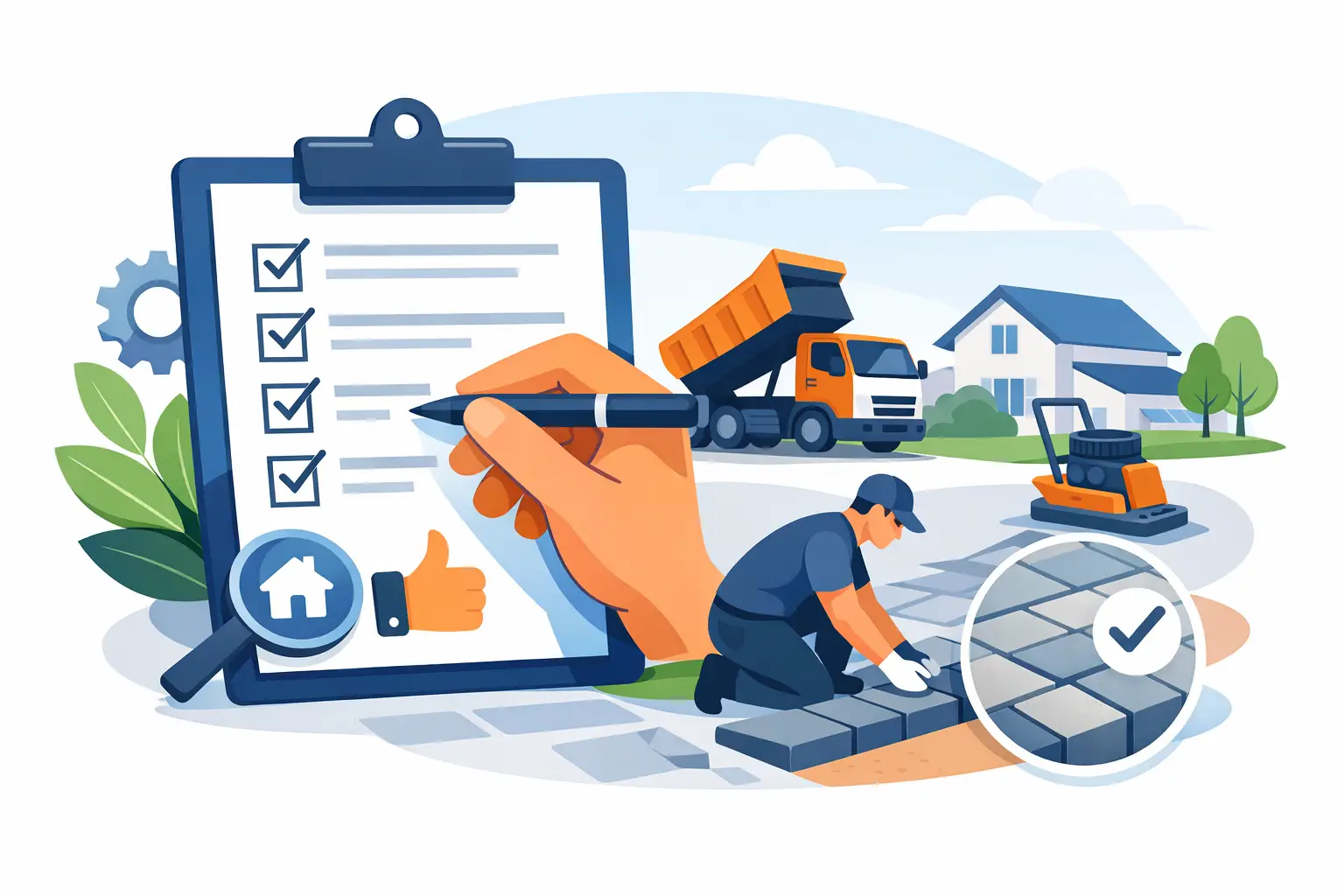
Residential Paving Contractor Review Checklist: What to Look For
As you read, use this checklist to separate dependable contractors from crews that may create expensive problems later.
- Clear communication from the first call. Reviews should mention prompt callbacks, on-site consultations, clear answers, and a written estimate. Good paving work starts with a contractor who listens to your concerns and explains the recommended solution in plain language.
- Honest, detailed pricing. Look for comments about fair pricing, no surprise charges, and a scope of work that matched the final invoice. The lowest quote is not always the best value if it leaves out excavation, base material, drainage work, proper compaction, or removal of old pavement.
- Professional preparation and cleanup. Strong reviews often mention a crew that arrived as scheduled, protected nearby areas, removed debris, and left the site clean. These habits reflect organized project management and respect for your property.
- Workmanship that performs over time. The best comments refer to smooth finishes, solid edges, correct slope, proper drainage, and surfaces that remain stable through rain, heat, freezing conditions, and vehicle traffic.
- Accountability after the job. Notice whether reviewers say the contractor returned to address a question or concern. No construction project is completely free of variables, especially where soil movement and water are involved. What matters is whether the company responds professionally and works toward a fair solution.
Watch for Evidence of Base and Drainage Work
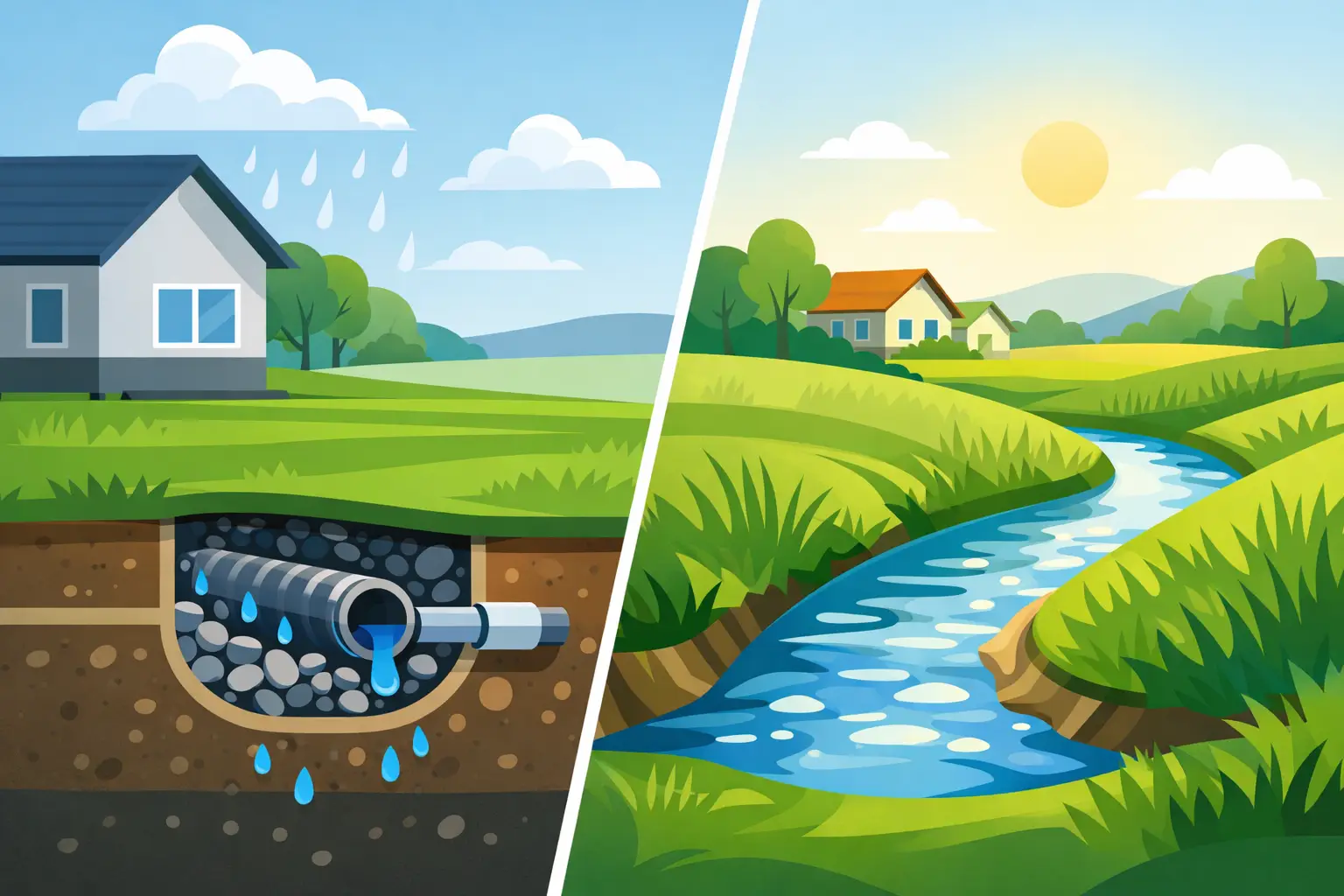
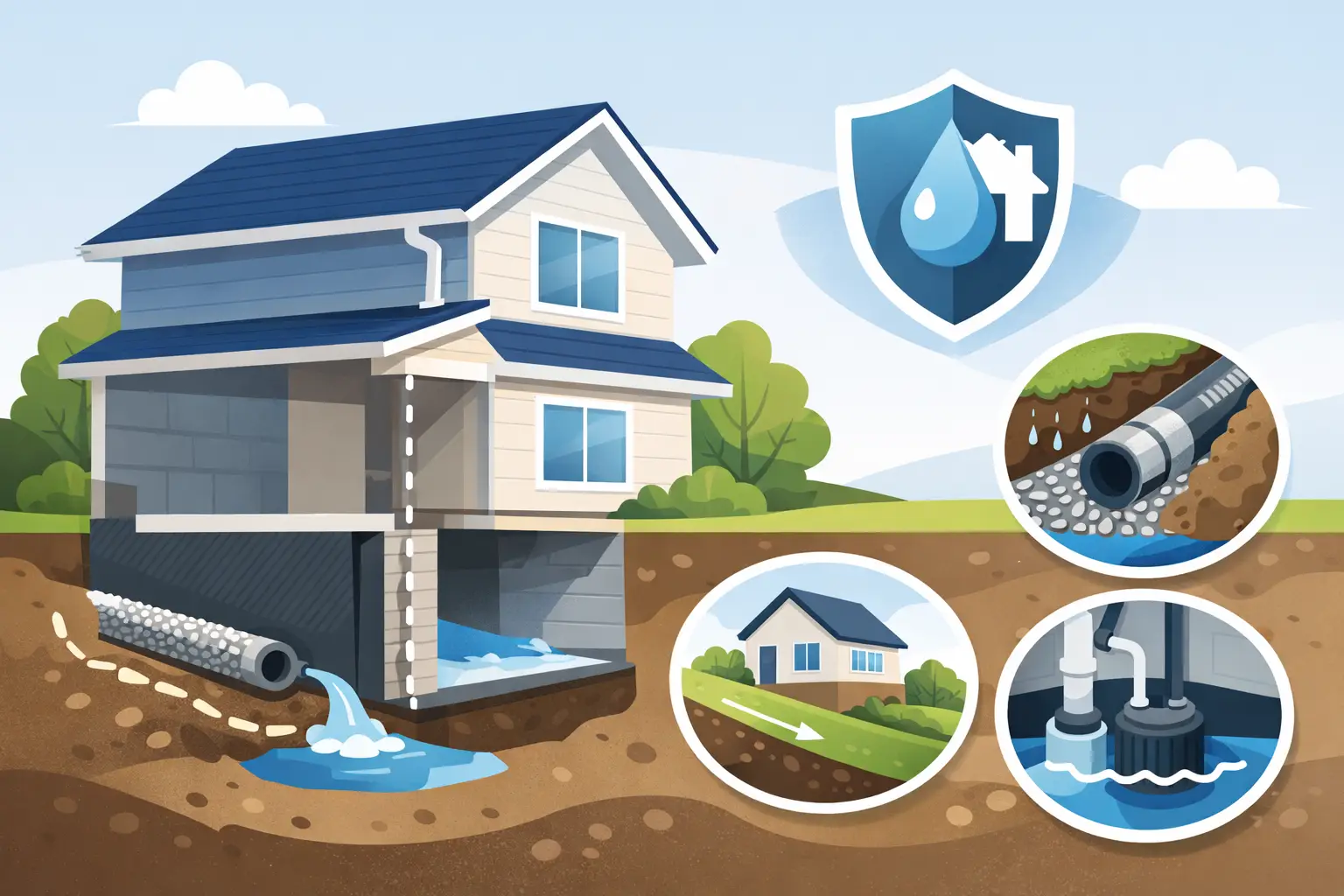
Many paving problems begin below the asphalt. Water enters cracks, weakens the base, shifts soil, and creates low spots or potholes. A driveway may look acceptable at first while poor grading or insufficient compaction quietly shortens its life.
Reviews should give you confidence that the contractor considers the entire system. Search for references to excavation, grading, compaction, stone base, drainage channels, catch basins, retaining walls, or water being directed away from the home. Not every residential driveway needs every one of these services. The right solution depends on the site. Still, a contractor should be able to identify water and ground conditions that affect long-term performance.
Be cautious when reviews repeatedly praise speed but say nothing about preparation. Efficient work is a benefit, but paving a driveway too quickly without proper removal, base repair, and compaction can lead to recurring cracks, standing water, and premature failure.
Compare How Contractors Handle Problems
A few critical reviews do not automatically disqualify a contractor. In fact, they can be useful. Read them for patterns rather than reacting to one complaint.
A reasonable concern might involve a scheduling delay caused by rain, material availability, or an unexpected underground condition. These issues can happen on legitimate projects. The key question is whether the contractor communicated early, explained the reason, and followed through with a revised plan.
More serious warning signs include repeated claims of deposits taken without work starting, pressure to make an immediate decision, unclear final pricing, poor drainage, thin paving, damage left unresolved, or a contractor who stops responding once payment is made. One isolated complaint may have context. Several similar complaints should move that company off your list.
Also review the contractor’s responses. A professional response is calm, specific, and focused on resolving the issue. An argumentative or dismissive response can tell you how your own concerns may be handled.
Match Reviews to Your Type of Project
Not all paving projects carry the same demands. A small walkway repair is different from a full driveway replacement that supports multiple vehicles, delivery traffic, or a steep grade. When reviewing contractor feedback, prioritize projects similar to yours.
If your driveway has drainage problems, look for reviews from homeowners who had standing water, a failing apron, pooling near the garage, or erosion along the edges. If you need a new patio, steps, or masonry border with the paving work, seek evidence that the contractor can coordinate those elements with precision. An end-to-end contractor can often prevent gaps between trades and create a cleaner, more durable finished property.
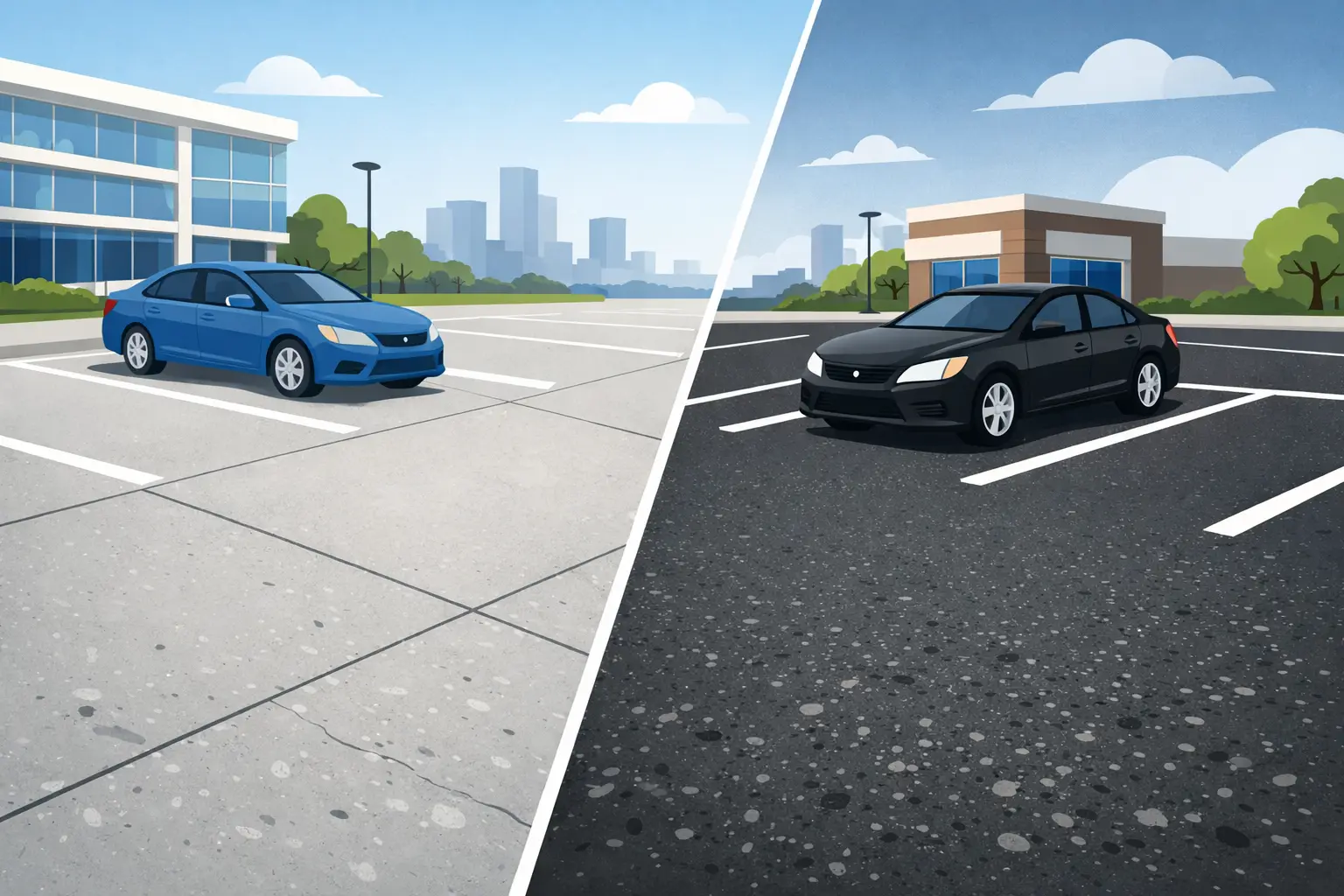
Photos can help, but use them carefully. Fresh asphalt is naturally dark and smooth. Ask whether the project includes the details that protect performance: defined edges, consistent slope, proper transitions at the garage or street, and a finish appropriate for the intended use.
Confirm the Review Story During the Estimate
Online feedback should guide your questions, not replace an on-site evaluation. During the estimate, ask the contractor to walk you through removal, excavation depth, base material, compaction, drainage, asphalt thickness, edging, and cleanup. A capable contractor will not give every home the same generic answer.
Request a written scope that identifies what is included and what could change if hidden site conditions are discovered. This protects both sides. It also makes it easier to compare estimates fairly, because you can see whether one price includes the structural work another contractor omitted.
Ask whether the company is properly licensed and insured for the work in your area. Confirm who will perform the project, how the schedule will be communicated, and what care instructions apply after installation. New asphalt needs time before heavy use, sharp turning, or parking in the same spot for extended periods. Clear guidance helps protect your investment from day one.
Choose Proof Over Promises
The strongest contractor reviews do not only praise a finished driveway. They describe a dependable experience: a clear estimate, a professional crew, careful preparation, durable materials, correct drainage, and a result that continues to perform. That combination is worth more than a bargain price or a polished sales pitch.
Before you commit, compare the review patterns with the written estimate and the contractor’s answers on site. When all three tell the same story, you are more likely to receive a smooth, strong surface built to serve your home for years to come.