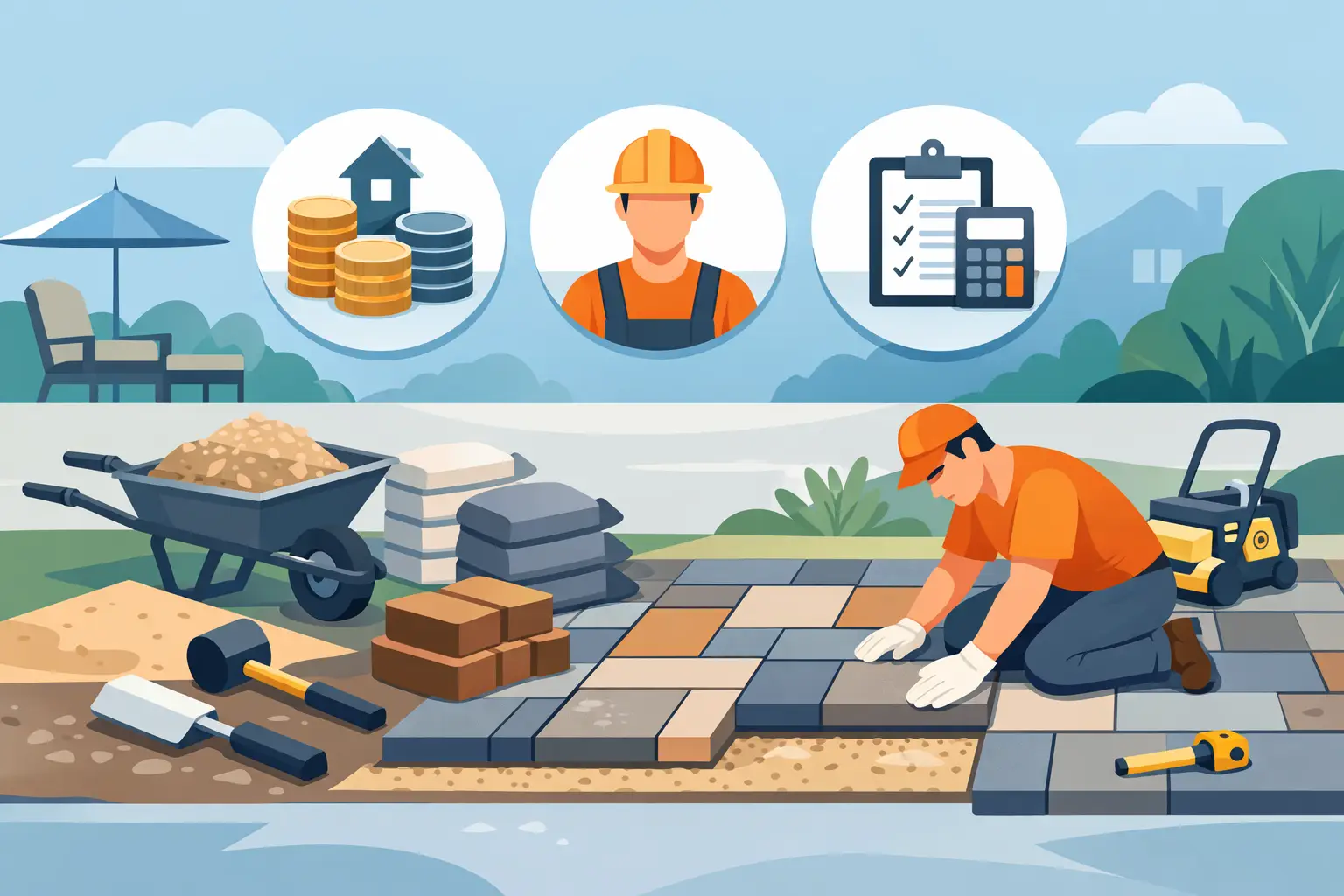
A patio that looks great in the first season but settles, holds water, or develops loose edges is not a good value. Patio paver installation cost is about far more than the pavers you choose. The price reflects the preparation underneath the surface: excavation, grading, compacted aggregate, drainage control, precise cuts, and edge restraint that keeps the patio strong and level for years.
For most professionally built patios, homeowners can expect a broad installed range of about $18 to $45 or more per square foot. A simple, accessible patio with standard concrete pavers may fall toward the lower end. A larger design with natural stone, detailed borders, steps, curves, poor soil conditions, or significant drainage work can move higher. The right number depends on the site and the standard of work required to build a lasting surface.
Patio Paver Installation Cost by Project Scope
A basic patio is usually the most straightforward project. It may use standard pavers in a rectangular layout, have clear access for equipment, and require only normal excavation and base preparation. Even a simple layout still needs a properly compacted foundation. Skipping that work may reduce the initial price, but it often creates repair costs later.
For a 200-square-foot patio, installed costs commonly range from roughly $3,600 to $9,000. A 400-square-foot patio may range from about $7,200 to $18,000 or more, depending on materials and site conditions. These are planning ranges, not a substitute for a site-specific estimate. Labor rates, material availability, excavation depth, and local disposal costs all affect the final price.
Premium materials and custom masonry details raise the investment because they require more handling and more precision. Natural stone can vary in thickness and shape, creating additional fitting and leveling work. Patterns such as herringbone, circular features, contrasting borders, and inlaid accents also require more cuts than a standard running-bond layout.
A patio may also include steps, a landing, a seating wall, a fire feature, or connections to an existing walkway or driveway. These features can improve how the outdoor space functions, but each one adds excavation, base material, installation time, and finishing work. A clear proposal should separate those items so you know what is included.
What Drives the Cost of a Paver Patio?
The visible pavers matter, but the ground below them has the biggest effect on long-term performance. A reliable contractor evaluates the full site before setting a price.
Excavation and base preparation
The patio area must be excavated deeply enough to accommodate the compacted aggregate base, bedding layer, and pavers while maintaining the right finished height. The required depth changes with soil conditions, climate, intended use, and the elevation around doors, siding, and nearby structures.
A stable base often requires several layers of aggregate compacted in lifts. This work takes time and equipment, but it helps prevent uneven settling, shifting pavers, and low spots. If the property has soft soil, previous fill, buried debris, or a sloped grade, added site preparation may be necessary. Those conditions are not always visible until the area is opened up, which is why experienced assessment matters.
Drainage and proper slope
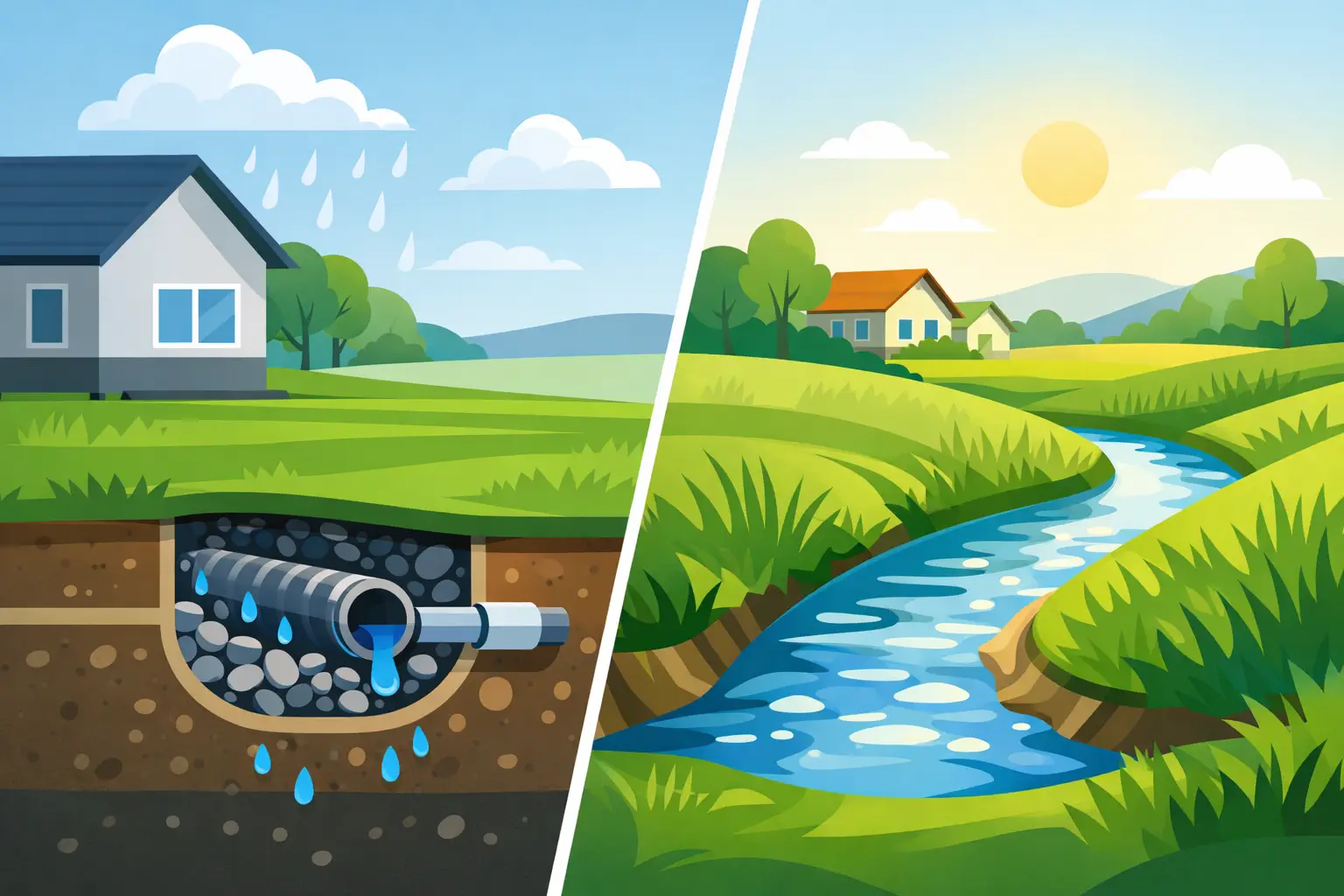
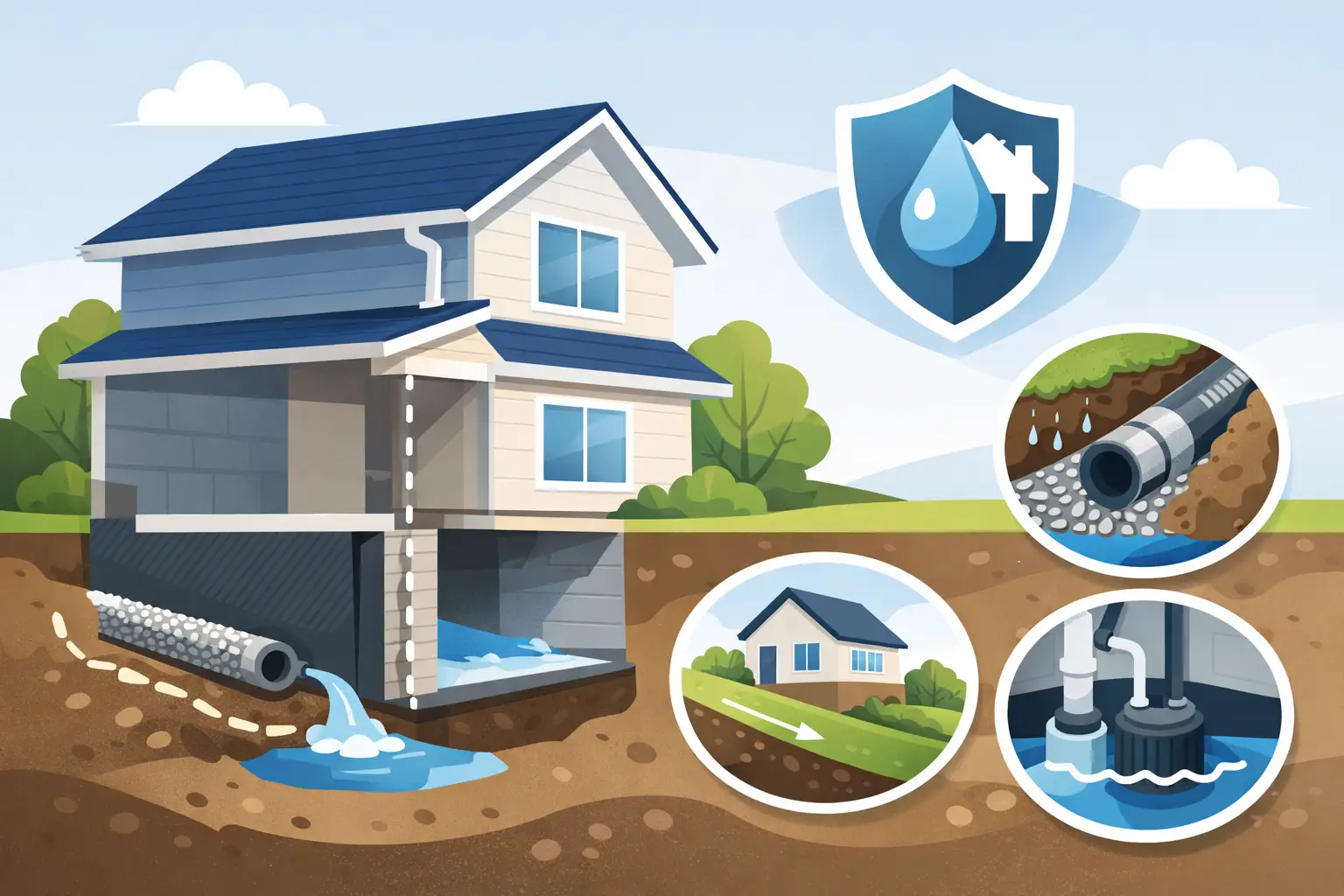
Water is one of the most common causes of patio failure. A patio needs a controlled slope that directs water away from the house and toward an appropriate drainage area. If runoff moves toward the foundation, pools at the edge, or washes out the base, the surface can become unstable.
Drainage solutions may include regrading, swales, channel drains, catch basins, or connecting to an approved drainage route. Not every patio needs every solution. The goal is practical water management based on the layout of the property. Paying for proper drainage at installation is usually less costly than correcting water damage after the patio is finished.
Paver material and design
Concrete pavers are a durable, versatile option with many colors, sizes, and textures. They are often a practical choice for homeowners who want a strong finish and controlled costs. Premium pavers, porcelain units, clay brick, and natural stone generally cost more, both for the material and the specialized installation they may require.
The layout changes labor as well. Straight edges and standard patterns are efficient. Curves, multiple levels, tight spaces, decorative bands, and intricate patterns require more measuring, cutting, and hand finishing. These details can be worth the added cost when they complement the home and create a more finished outdoor area.
Access, demolition, and disposal
Easy access can keep a project moving efficiently. A backyard reached through a wide side gate or open lot allows materials and equipment to be delivered more easily. A fenced yard with narrow access, mature landscaping, limited parking, or steep terrain may require additional labor and careful material handling.
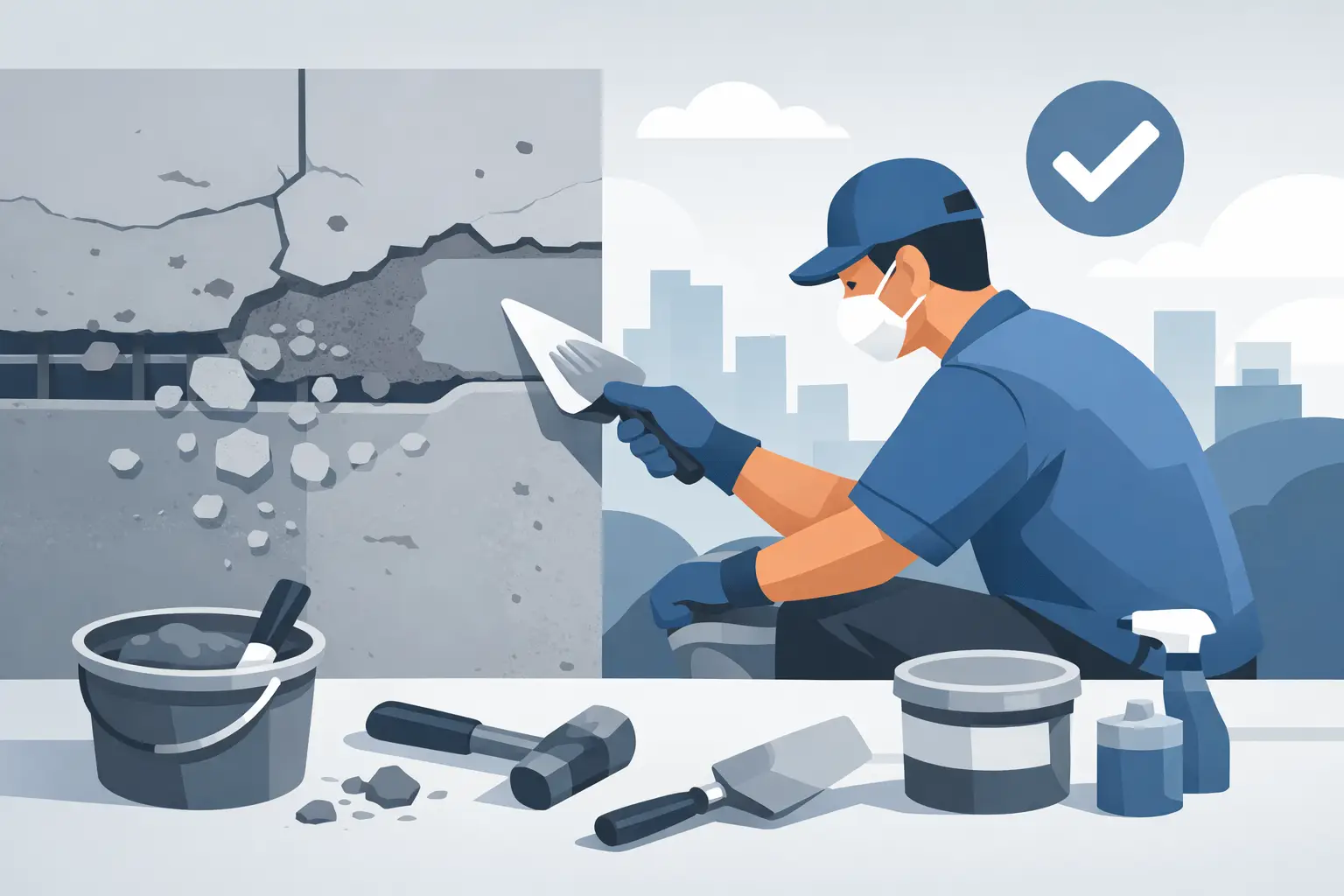
Removing an old concrete slab, failing patio, deck footing, or damaged landscaping can also add to the price. Demolition includes breaking up material, loading it, hauling it away, and disposing of it properly. It is worth confirming whether removal and disposal are included in the estimate rather than assuming they are part of the installation price.
Edging, joints, and finishing details
A paver patio needs secure edge restraint to prevent the outer pavers from spreading apart. It also needs properly installed joint material to lock the surface together while allowing normal movement. Polymeric sand can help resist weeds and washout when installed correctly, but it is not a replacement for a solid base or good drainage.
Finishing details affect both appearance and performance. Clean transitions at the house, steps, garden beds, and adjoining surfaces make the patio safer and more durable. The best installations look intentional at the edges, not just across the center of the patio.
How to Compare Patio Estimates Fairly
The lowest quote is not always the lowest real cost. A vague price may leave out excavation depth, aggregate thickness, compaction, drainage correction, edge restraint, or cleanup. Those omissions can lead to change orders or a patio that does not hold up under weather and regular use.
Ask each contractor how deep they will excavate, what base material they will use, and how they will compact it. Confirm how water will be directed away from the home. Review the paver type, pattern, border details, removal work, and whether hauling and final cleanup are included. A professional estimate should make the scope easy to understand, even if you are not familiar with hardscaping terms.
Also consider the condition of surrounding structures. If a patio meets existing steps, a foundation wall, or a driveway, those transitions need attention. Building the new surface to the wrong height can create drainage issues, trip hazards, or clearance problems at doors. A careful contractor plans these details before installation begins.
Where Saving Money Makes Sense and Where It Does Not
There are sensible ways to manage a patio budget. Choosing a standard paver, keeping the shape simple, reducing unnecessary cuts, and planning the patio size around full paver dimensions can lower costs without compromising the foundation. Completing the project in phases may also work when the base design allows for future expansion.
Base preparation, drainage, and edge restraint are not the right places to cut corners. These are the elements that keep a patio level, stable, and built to perform through seasonal moisture and ground movement. A thin base or poor compaction may not be obvious on installation day, but the problems appear when pavers begin to sink or separate.
For properties with drainage concerns, a contractor who handles both hardscaping and groundworks can provide a clearer solution. Instead of treating the patio as an isolated surface, the work can address grading, runoff, excavation, and the finished paver area as one connected project.
Get a Clear Price for a Patio Built to Last
An accurate patio price starts with an on-site review of the grade, soil, access, drainage, layout, and material selection. ASAP Paving And Masonry provides straightforward estimates built around the work your property actually needs, with durable materials, precise installation, and a strong finished surface.
A well-built patio should give you a level, comfortable place to gather without creating water problems or future repairs. Choose the design you enjoy, then make sure the groundwork beneath it is built with the same care.