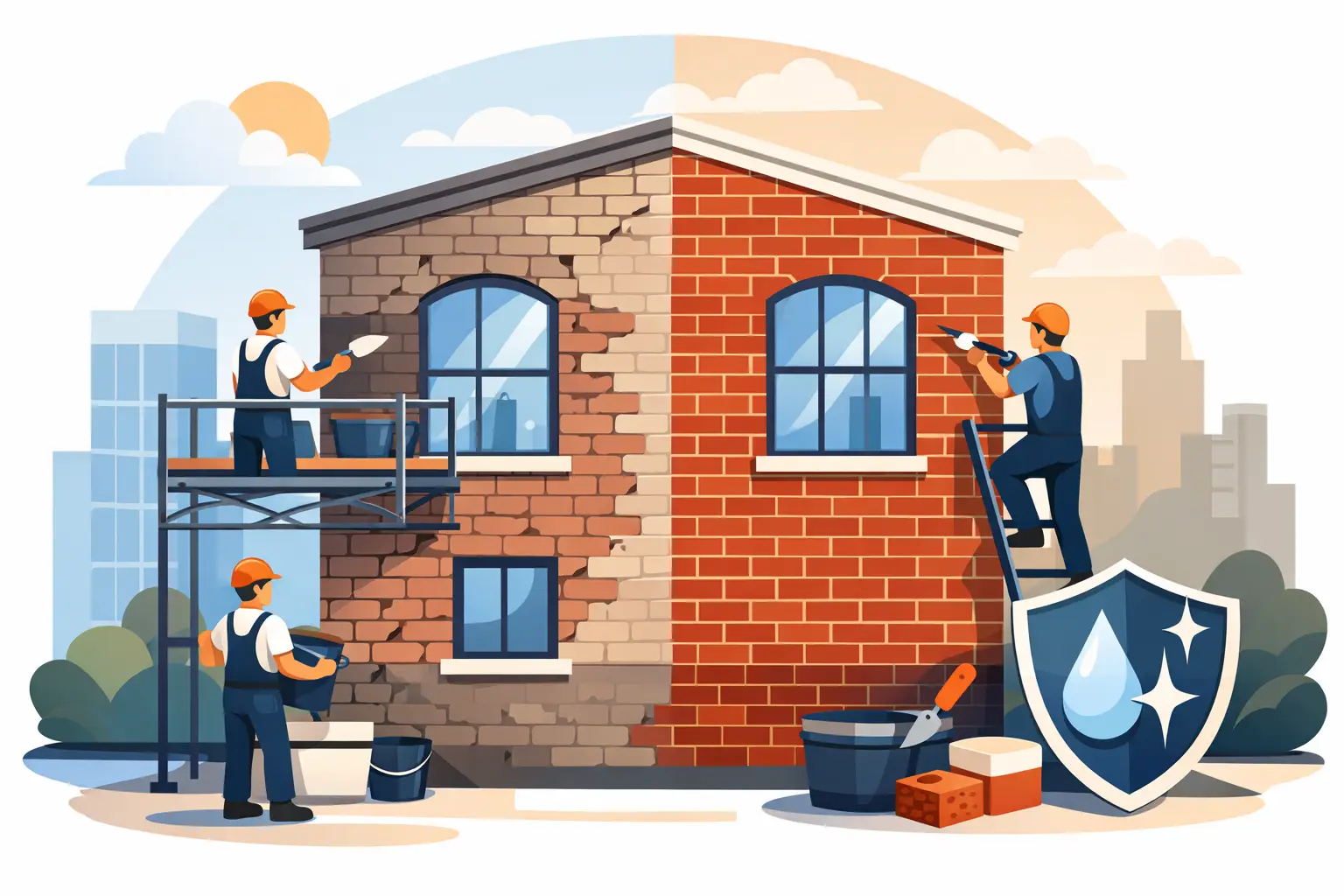
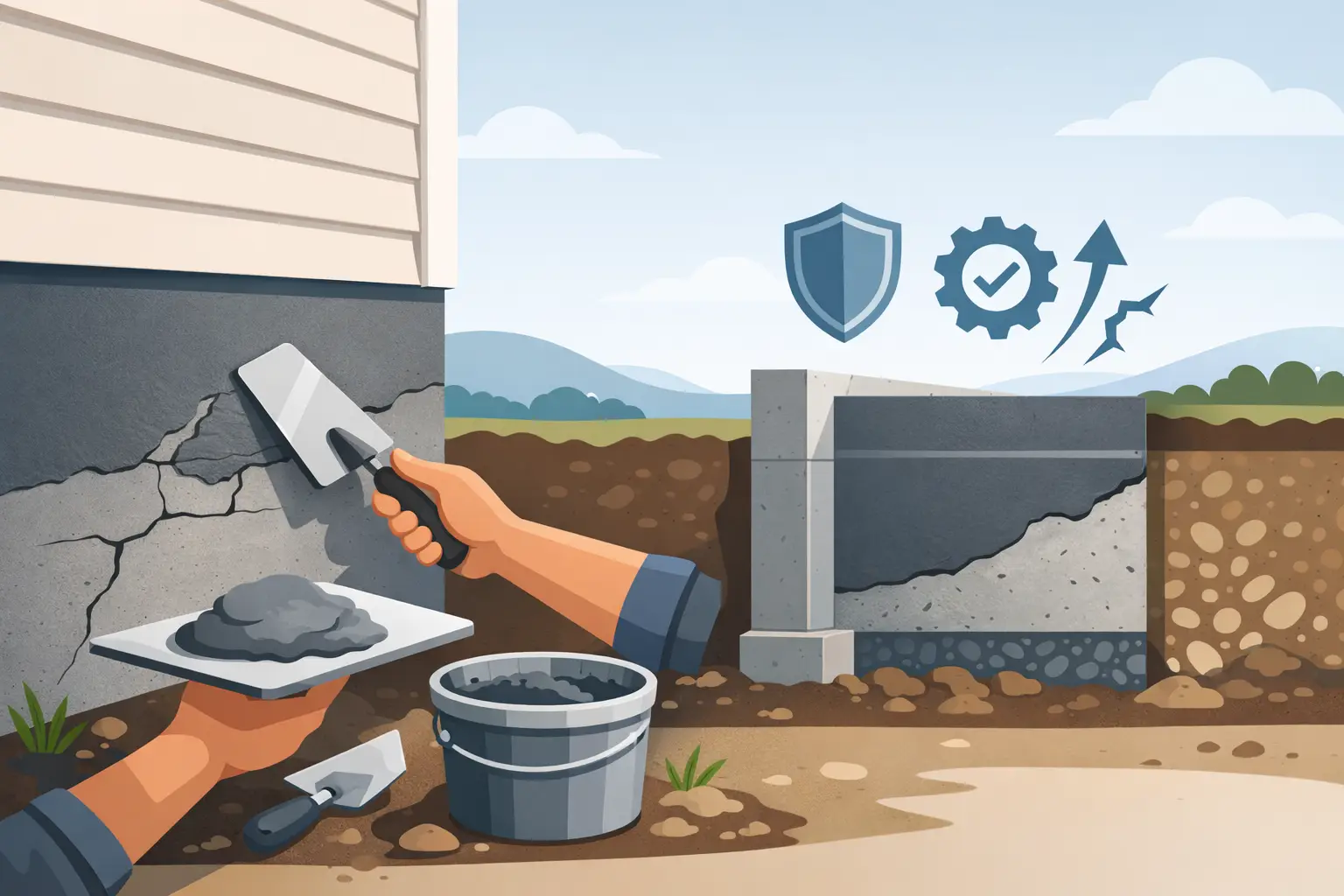
A foundation can be structurally sound and still look neglected from the outside. Crumbling gray coating, hairline cracks, stains, and exposed block or concrete can make a property feel unfinished while allowing moisture and freeze-thaw damage to gain ground. Professional foundation parging repair restores the protective outer finish and gives the base of a home or commercial building a cleaner, stronger appearance.
Parging is not simply a cosmetic patch. When it is prepared correctly and applied with the right material, it helps protect exposed foundation surfaces from weather, surface deterioration, and repeated moisture exposure. The key is identifying why the old finish failed before applying a new one. A quick cover-up may look good briefly. A properly repaired surface is built to perform through changing seasons.
What Foundation Parging Is Designed to Do
Parging is a thin cement-based coating applied over concrete, stone, brick, or concrete block foundations. It creates a uniform finish over uneven masonry and helps shield the surface from direct exposure. On many properties, it is the visible exterior layer between the grade line and the siding or brick above.
A durable parge coat improves curb appeal, but it also serves practical purposes. It can cover minor surface imperfections, protect mortar joints and masonry from weathering, and reduce the rate at which the exposed foundation face breaks down. For commercial buildings and multi-unit properties, a clean foundation line also helps maintain a professional, well-kept appearance around entrances, parking areas, and loading zones.
Parging is not a replacement for structural foundation repair or complete waterproofing. If a wall is moving, bowing, leaking heavily, or showing large and growing cracks, those conditions need to be addressed first. Applying parging over an active problem can hide the warning signs without solving the cause.
Signs You Need Foundation Parging Repair
Small chips do not always require immediate action, but widespread deterioration should not be ignored. Once a parge coat starts separating from the foundation, water can work behind it and accelerate the damage.
Look for cracking that spreads across the surface, loose or hollow-sounding sections, flaking material at the bottom of the wall, exposed block or stone, and white mineral deposits known as efflorescence. Rust-colored stains, dark moisture marks, and soft or broken mortar near the foundation are also worth investigating.
The location of the damage matters. Parging often fails near grade because that area receives the most water, snow buildup, splashback, lawn equipment contact, and freeze-thaw cycling. A downspout that empties beside the foundation or soil that slopes toward the building can keep the wall damp long after a storm has passed.
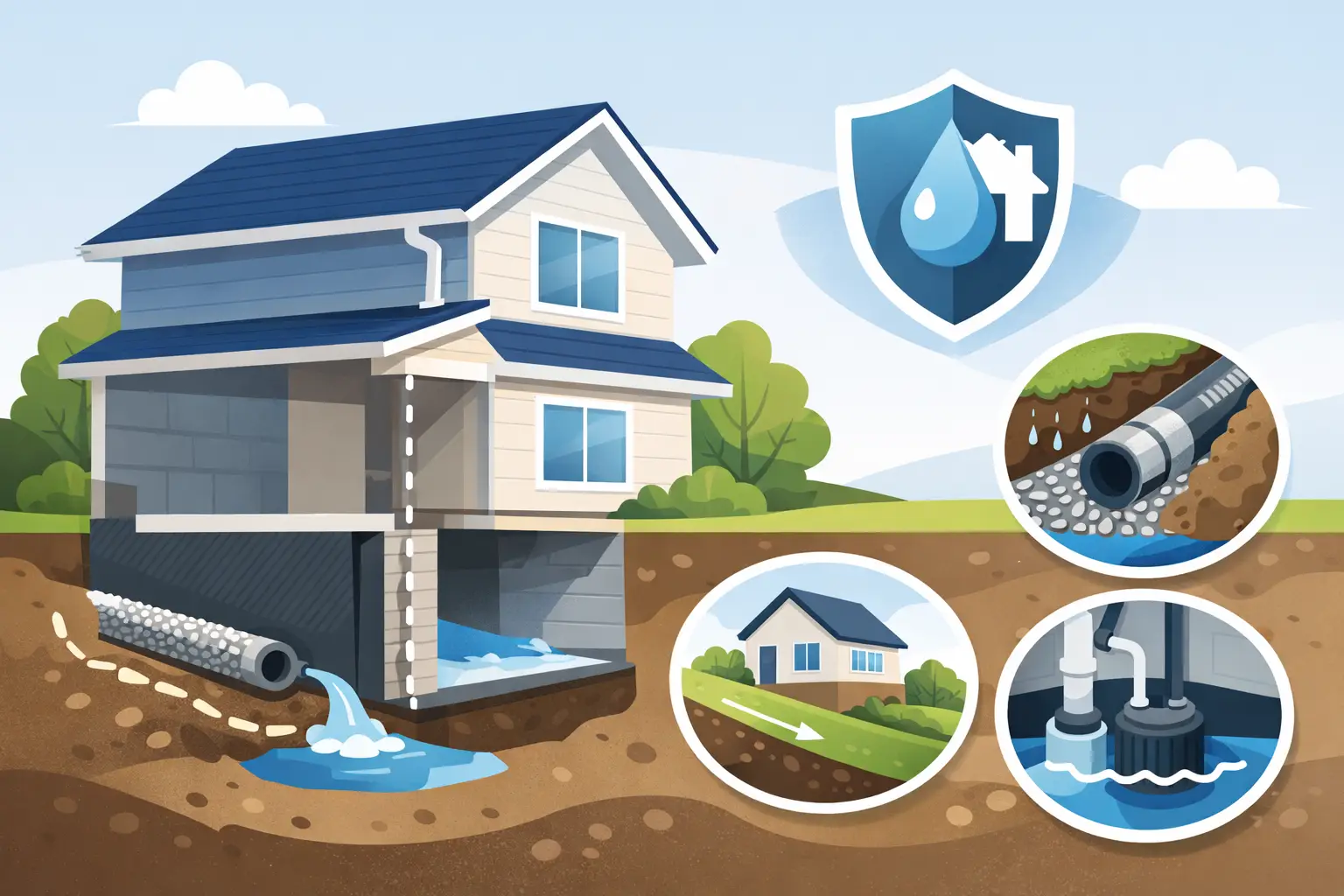
Interior conditions matter too. A musty basement, damp lower walls, recurring water stains, or puddling near the foundation may indicate that drainage or waterproofing work should be completed along with the parging repair. The right scope depends on what is happening behind and around the wall, not only what can be seen from the curb.
Why Parging Fails Before Its Time
Most failed parging comes back to preparation, moisture, movement, or material selection. The coating must bond to a clean, stable surface. Dust, loose paint, failing mortar, algae, oil residue, and weak old parging can prevent that bond from forming.
Moisture is another common issue. Foundation walls naturally experience moisture changes, especially where grading and drainage are poor. If water is constantly pressing against the exterior surface or entering through open joints and cracks, a new coat may crack, blister, or detach. Correcting drainage can be just as important as repairing the visible finish.
Movement also affects performance. Concrete, masonry, and soil respond to temperature changes and settling differently over time. Hairline surface cracks can often be repaired as part of the parging process. Larger cracks, stepped cracking in block or brick, and cracks that continue through the foundation wall require a closer assessment before cosmetic work begins.
Finally, the wrong mix can create a weak finish. A coating that is too rigid, too thick, or poorly cured may not handle the conditions of the existing wall. Reliable masonry work uses compatible materials and sound application methods rather than treating every foundation surface the same.
A Proper Foundation Parging Repair Process
Quality results begin with an on-site inspection. The contractor should look at the condition of the foundation, the pattern of cracks, nearby downspouts, the grade of the surrounding soil, and any signs of water intrusion. This helps separate a straightforward surface repair from a larger drainage, crack repair, or waterproofing project.
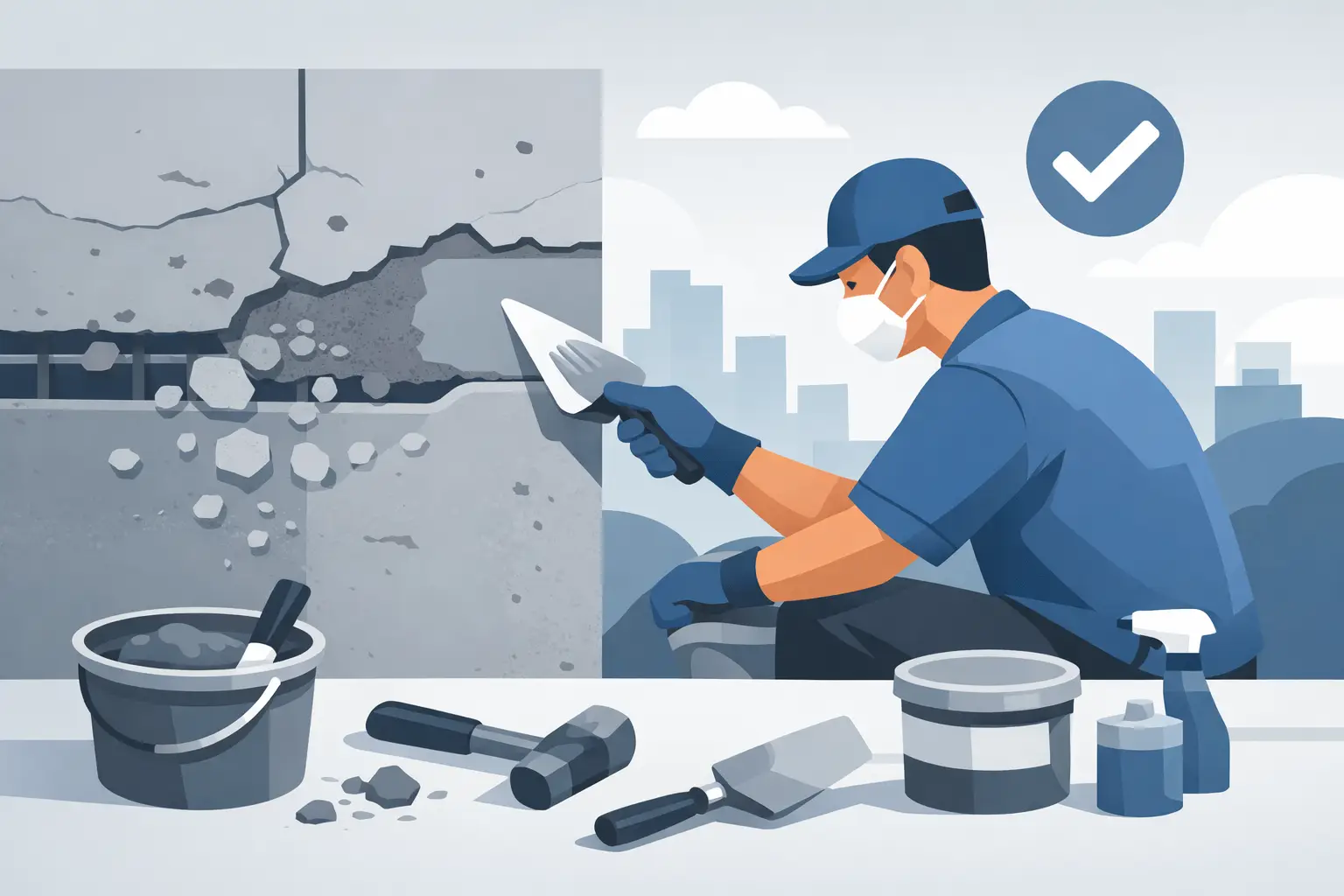
The damaged material is then removed. Loose, flaking, and poorly bonded parging must come off until the crew reaches a stable surface. This step is labor-intensive, but it is essential. Applying fresh material over weak material only transfers the problem to the new finish.
Next, the exposed masonry is cleaned and repaired as needed. Open joints, small voids, and minor surface defects are addressed so the wall has a sound base for the new coating. Depending on the foundation material and condition, a bonding agent or appropriate base treatment may be used to improve adhesion.
The new parging is applied in controlled layers for an even, durable finish. The goal is not to make the coating unnecessarily thick. It is to build a consistent surface that bonds well, sheds weather, and looks clean across the full foundation line. Corners, transitions, and areas near steps, patios, utility penetrations, and grade changes need careful detail work.
Curing is part of the job, not an afterthought. Cement-based materials need appropriate conditions to gain strength. Extreme heat, direct sun, rain, and freezing temperatures can affect the finished surface. A dependable contractor plans the work around weather conditions and protects fresh parging when needed.
Drainage and Grading Protect the Repair
A new parge coat will last longer when water is directed away from the building. This does not always require a major excavation project. Sometimes the solution is extending downspouts, correcting a low area, repairing a damaged drain connection, or adjusting soil so it slopes away from the foundation.
For properties with recurring water issues, more extensive work may be appropriate. Exterior waterproofing, drainage installation, excavation, and foundation crack repair can address the source of moisture before the visible surface is restored. The trade-off is a larger initial investment, but it can prevent repeat repairs and protect the building from more serious deterioration.
This is why a clear estimate matters. Property owners should know whether the work covers surface preparation and parging only, or whether it includes crack filling, drainage correction, waterproofing, excavation, or masonry repairs. Honest pricing starts with a scope that matches the actual condition of the property.
Choosing a Contractor for Parging Work
Foundation work should be handled by a contractor who understands both masonry finishes and water management. A smooth-looking repair is not enough if the underlying wall is still exposed to poor drainage or loose masonry.
Ask how damaged material will be removed, how cracks will be evaluated, what preparation is included, and how the finished surface will be protected while it cures. It is also reasonable to ask whether the contractor is licensed and insured, how scheduling will be handled, and what conditions could change the estimate once work begins.
ASAP Paving And Masonry approaches foundation and masonry repairs with the full exterior system in mind. That means looking beyond the finish to the drainage, grading, concrete, and masonry conditions that affect long-term performance. The objective is straightforward: a clean repair, a strong bond, and a foundation surface built to last.
Caring for a Repaired Foundation Surface
After the repair has cured, keep soil, mulch, and landscaping materials from being piled against the wall. Maintain a visible gap where practical so the foundation can dry and the finish can be inspected. Check downspouts seasonally, especially after storms, and make sure water is not pooling beside the building.
Avoid striking the lower wall with lawn equipment, snow shovels, or stored materials. If a small chip or crack appears, have it reviewed before water reaches the substrate. Prompt maintenance is usually simpler and more affordable than waiting for widespread delamination.
A solid foundation finish adds more than curb appeal. It helps protect a critical part of the property from the wear that starts quietly at ground level. When preparation, drainage, and workmanship are handled with care, foundation parging repair becomes a lasting improvement instead of another temporary patch.