A driveway rarely fails all at once. It usually starts with a few cracks, low spots where water lingers, loose edges, or a surface that looks faded and rough. Timely driveway resurfacing and repair can stop that wear from spreading, restore curb appeal, and give vehicles a smoother, safer surface to use every day.
The right solution depends on what is happening below the surface, not just what is visible on top. A new layer of asphalt can be an excellent value when the base remains stable. But if water has weakened the foundation, the driveway is sinking, or large cracks keep returning, covering the problem will not create a lasting result. Proper assessment comes first.
When Driveway Resurfacing Is the Right Choice
Resurfacing, often called an asphalt overlay, means installing a new layer of asphalt over an existing driveway after the necessary preparation and localized repairs are completed. It is a practical option for driveways with widespread surface wear but a sound underlying base.
This approach works well when cracks are limited, the driveway drains properly, and there are no major areas of movement or settlement. The fresh asphalt creates a smooth, uniform finish and renews the surface without the cost and disruption of full removal. For homeowners, it can quickly improve the appearance of the property. For commercial sites, it can help maintain cleaner access, safer driving lanes, and a professional first impression.
Before resurfacing, damaged sections still need attention. Cracks should be cleaned and filled where appropriate, deteriorated asphalt must be removed, and low areas need to be corrected. A dependable contractor also checks the driveway edges, transitions to garages or sidewalks, and the slope that directs water away from the surface.
An overlay is not a shortcut when it is done correctly. It is a restoration method built on preparation, sound materials, proper compaction, and a stable base. When those conditions are present, resurfacing can add years of reliable service.
Signs Your Driveway Needs Repair Before Resurfacing
Surface cracks do not all mean the same thing. Fine, shallow cracks may be caused by normal aging and weather exposure. Wider cracks, interconnected “alligator” cracking, potholes, and depressions can point to water damage or a failing base below. The distinction matters because the repair must match the cause.
A driveway should be inspected carefully if you notice water pooling after rain, wheel ruts, crumbling edges, areas that feel soft under a vehicle, or cracks that reopen soon after being filled. These problems often develop when water enters through cracks and reaches the soil or aggregate underneath. Freeze-thaw cycles can make the damage worse, especially where drainage is poor.
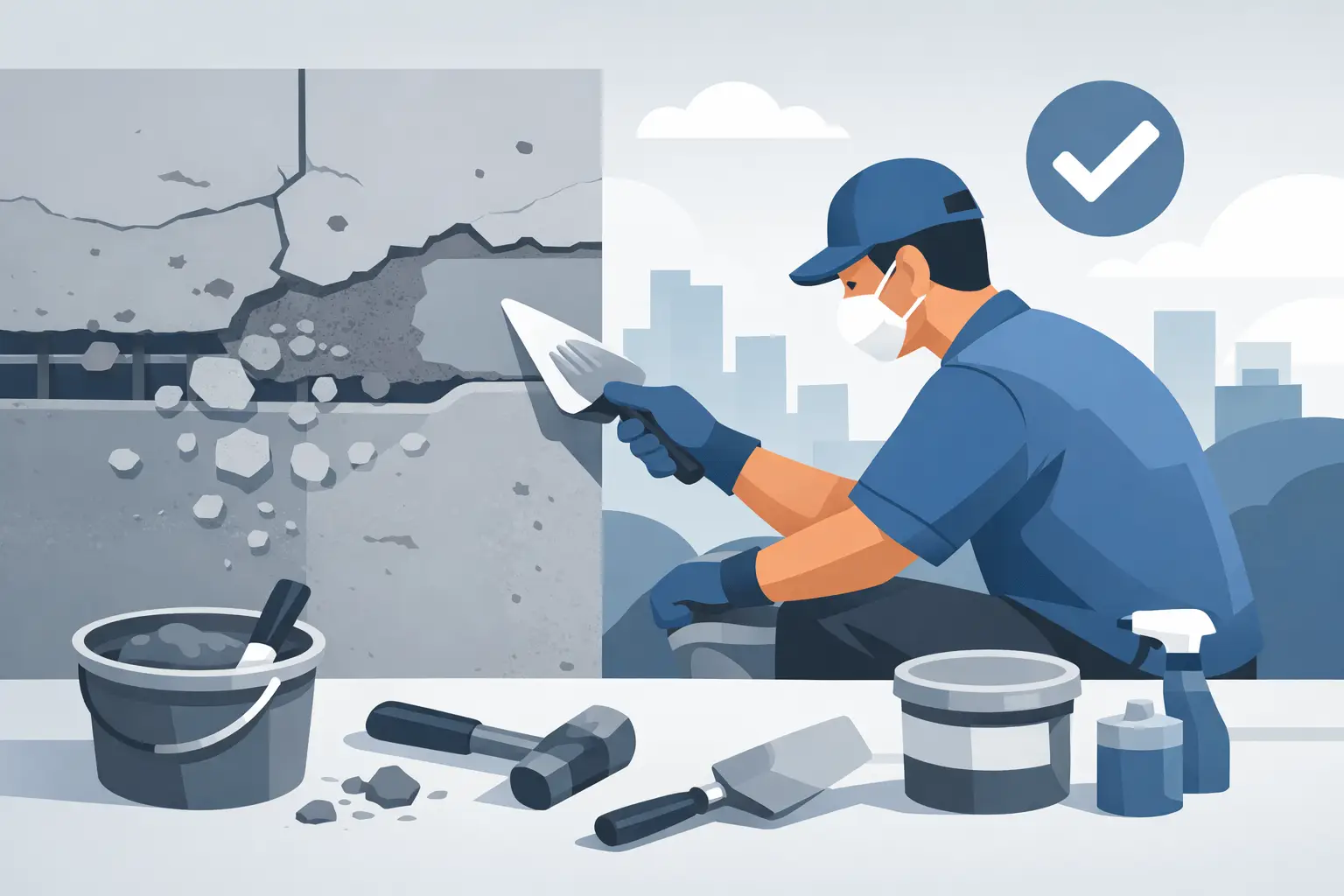
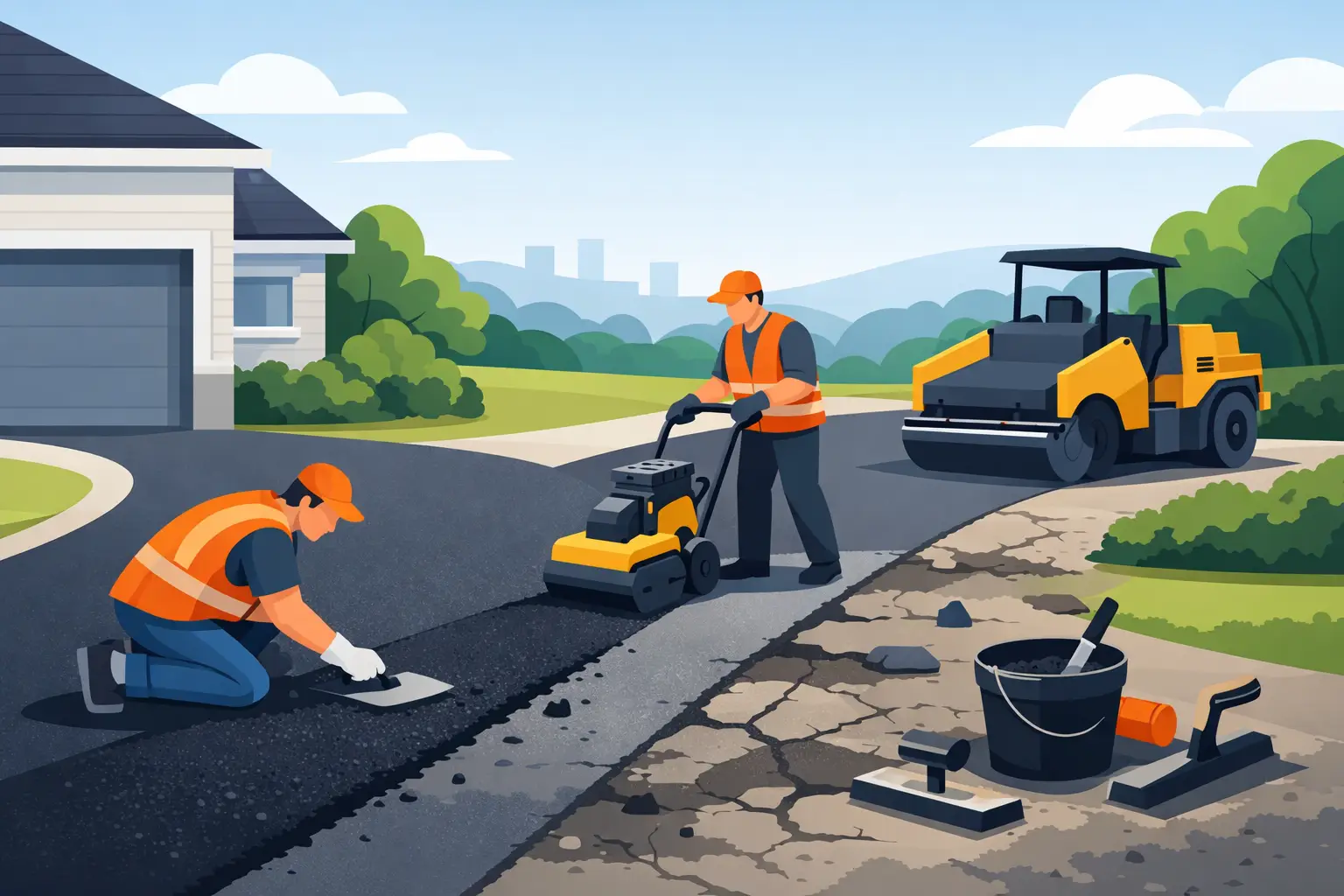
For localized failures, removing and replacing the affected section may be enough. The damaged asphalt is cut out, unstable material is excavated, the base is rebuilt and compacted, and new asphalt is installed to match the surrounding grade. This type of repair is stronger than simply patching over loose material.
If the damage covers much of the driveway, a combination of base repair and resurfacing may provide the best balance of cost and performance. If the entire driveway is unstable, full replacement is usually the more reliable investment. Honest recommendations should be based on the condition of the structure, not on selling the largest possible job.
Why Water Management Decides How Long Repairs Last
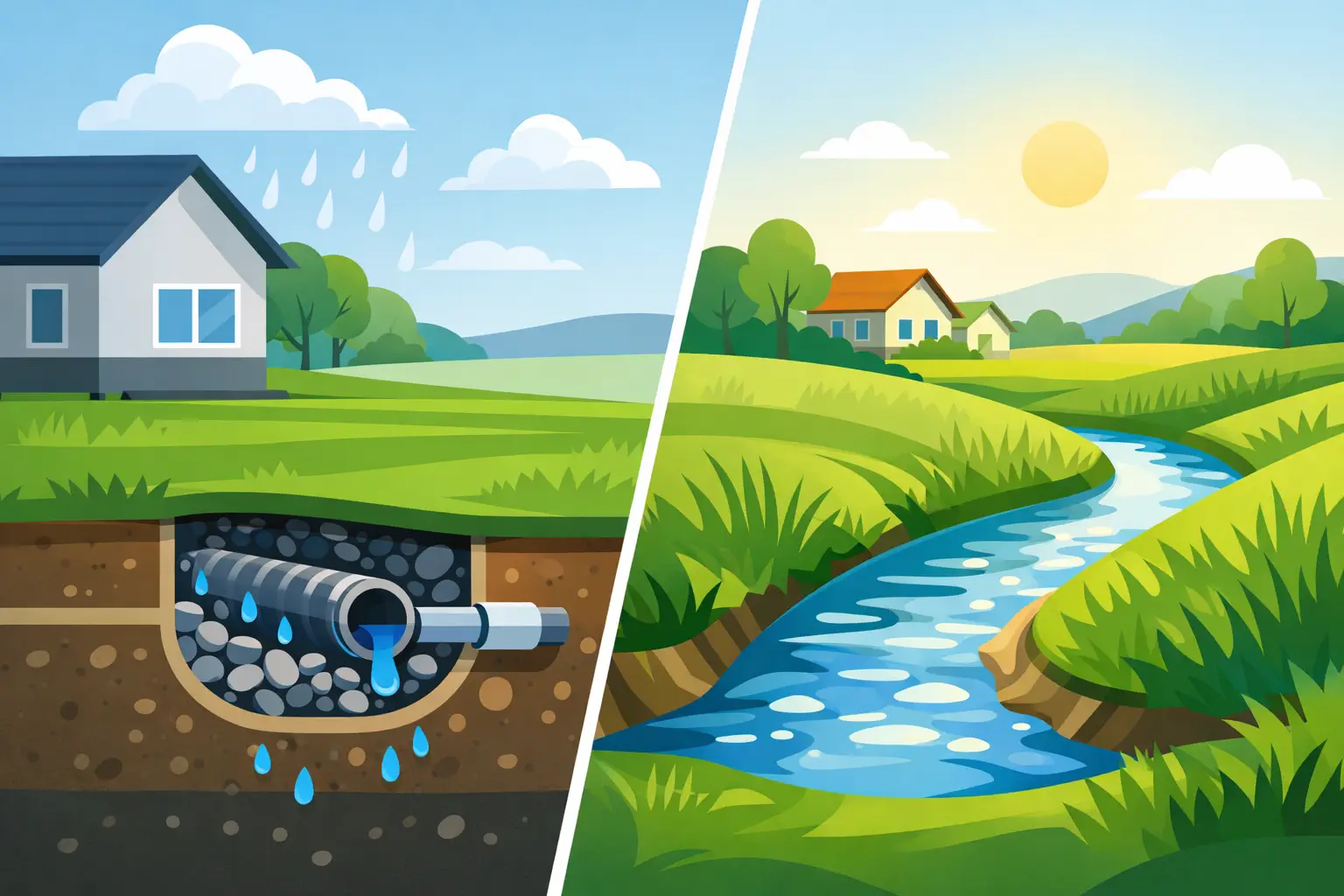
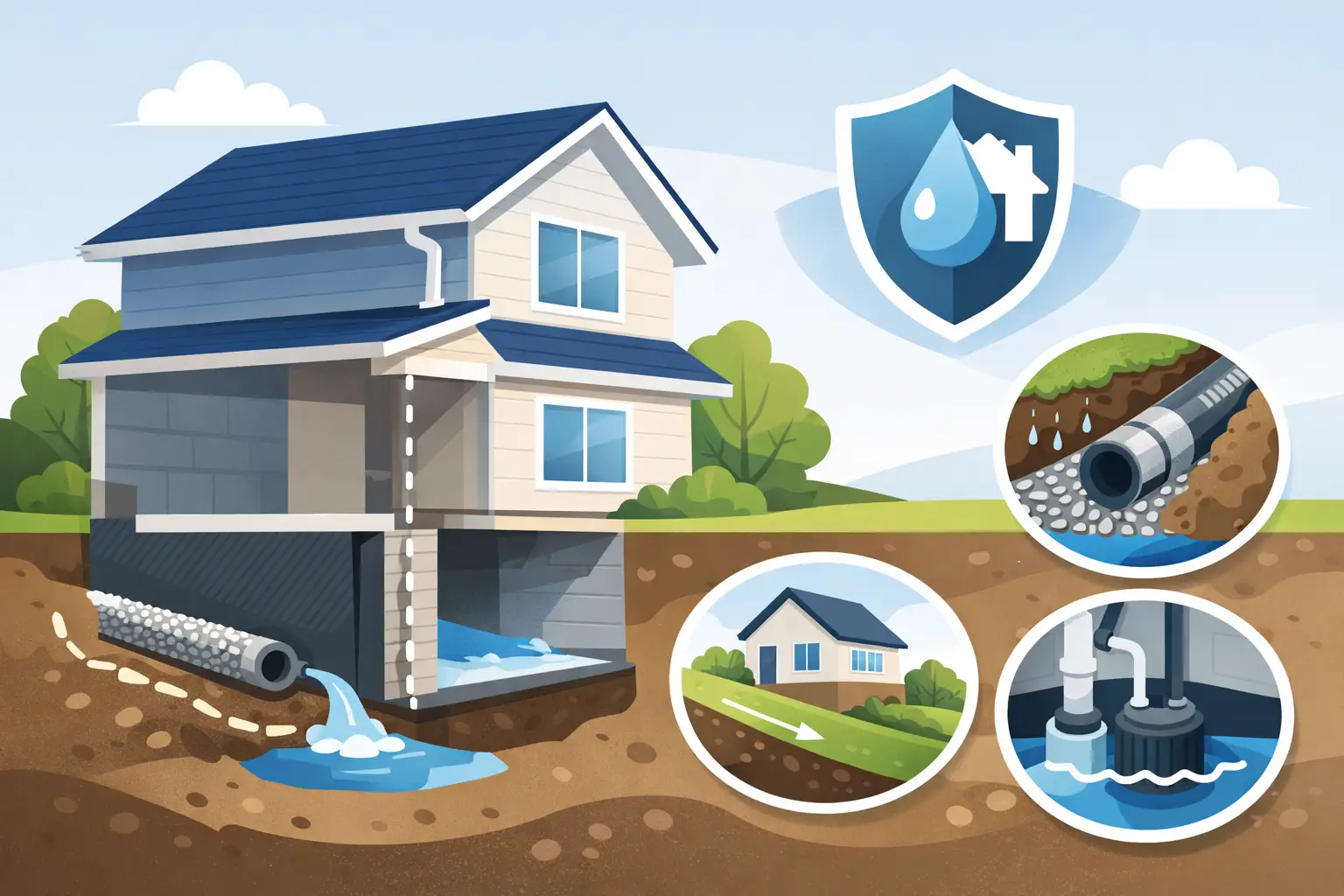
Water is one of the main causes of driveway failure. It runs across the surface, enters open cracks, softens the base, and can erode soil along the driveway edges. Once support is lost underneath, asphalt or concrete can crack and sink under regular vehicle weight.
A lasting repair considers where water comes from and where it goes. That may include adjusting the driveway slope, rebuilding low areas, adding drainage, repairing nearby grading, or protecting the base at the edges. Downspouts should not discharge directly onto a driveway or beside its foundation. Water needs a clear path away from paved surfaces and structures.
This is especially important for commercial and industrial properties. Delivery vehicles, service trucks, and steady traffic put more pressure on a weakened base. A small drainage issue can become a large operational problem when potholes, standing water, or uneven pavement affect access and safety.
Driveway Resurfacing and Repair: The Work That Matters Most
Quality driveway resurfacing and repair starts well before the new surface is placed. The old pavement must be evaluated for cracks, movement, moisture damage, and weak edges. Areas that cannot support new asphalt need to be repaired at the base level. Otherwise, the same failures can reflect through the finished surface.
A reliable process generally includes cleaning and preparing the existing pavement, correcting failed sections, ensuring proper grading, and applying the new material at an appropriate thickness. The asphalt is then compacted with the right equipment to create a dense, smooth surface. Proper compaction improves strength, limits water penetration, and helps the driveway hold up under daily traffic.
The edges also deserve attention. Unsupported edges can crack and break away when vehicles drive too close to them. Depending on the property, edge support, grading, or a wider paved area may be needed to reduce this risk. Driveway transitions should be planned with precision so garages, sidewalks, curbs, and entrances remain accessible and drain correctly.
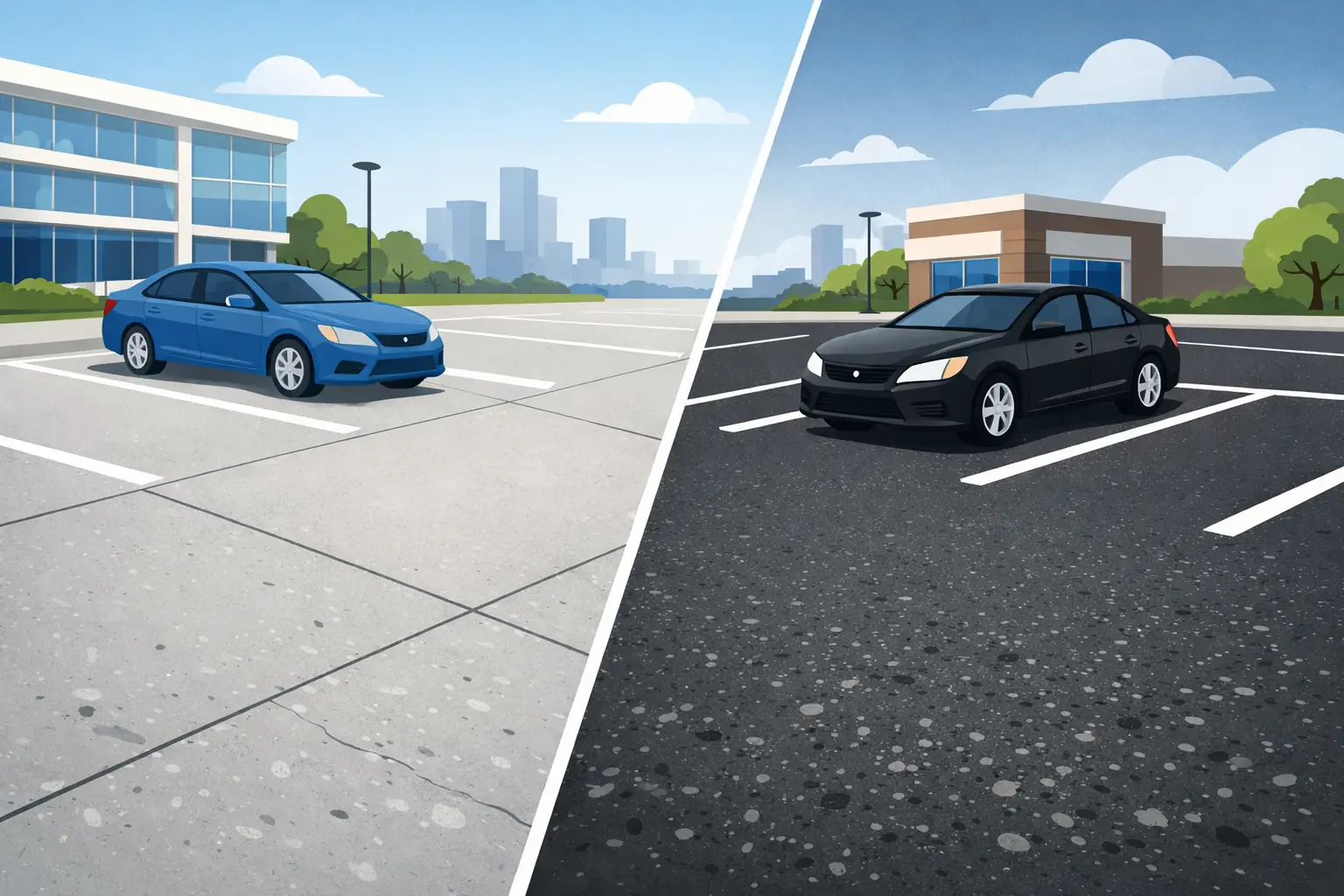
For concrete driveways, resurfacing may involve repairing cracks, removing failed sections, preparing the substrate, and applying a compatible resurfacing material. Concrete repair has different requirements than asphalt work. The same principle applies, though: a clean finish is valuable only when the slab or base beneath it is stable.
Resurfacing vs. Replacement: Making the Practical Call
Resurfacing costs less than a full replacement because much of the existing structure remains in place. It is often the right choice for a driveway that is worn but still structurally sound. It can also be completed with less disruption to homes, businesses, and active properties.
Replacement requires removing the existing pavement, rebuilding the base as needed, grading for drainage, and installing a completely new surface. The upfront cost is higher, but it gives contractors access to the source of deep structural problems. When a driveway has widespread settlement, extensive alligator cracking, repeated patch failures, or poor original drainage, replacement can prevent spending money on a surface that will fail too soon.
There is no one answer for every property. A lightly used residential driveway with minor cracking has different needs than a commercial entrance carrying trucks every day. Soil conditions, drainage, driveway age, surface material, and expected traffic all affect the recommendation. A clear on-site evaluation helps property owners choose a solution that fits both the condition of the driveway and the long-term budget.
Protecting a New or Repaired Driveway
Once repairs or resurfacing are complete, a few practical habits can protect the investment. Keep the driveway clear of standing water, address new cracks before they spread, and avoid placing heavy loads near unsupported edges. Oil and fuel spills should be cleaned promptly because they can soften asphalt over time.
Seal coating can help protect asphalt from sun exposure, moisture, and everyday wear when applied at the appropriate time. It is a protective maintenance service, not a repair for structural damage. A driveway with failing base material still needs proper repair before any seal coat is considered.
New asphalt also needs time to cure. During warmer weather, avoid turning the steering wheel while stopped in one place, especially with heavy vehicles, because that can scuff the surface. Use caution around sharp kickstands, trailer supports, and concentrated loads until the pavement has had time to harden.
ASAP Paving And Masonry approaches driveway work with the full property in mind, from excavation and grading to drainage, repair, resurfacing, and protective maintenance. That end-to-end approach helps ensure the visible finish is supported by strong work underneath.
A driveway should do more than look fresh on the day the work is finished. It should drain properly, carry regular traffic with confidence, and give your property a durable entrance built to perform through changing weather and daily use.