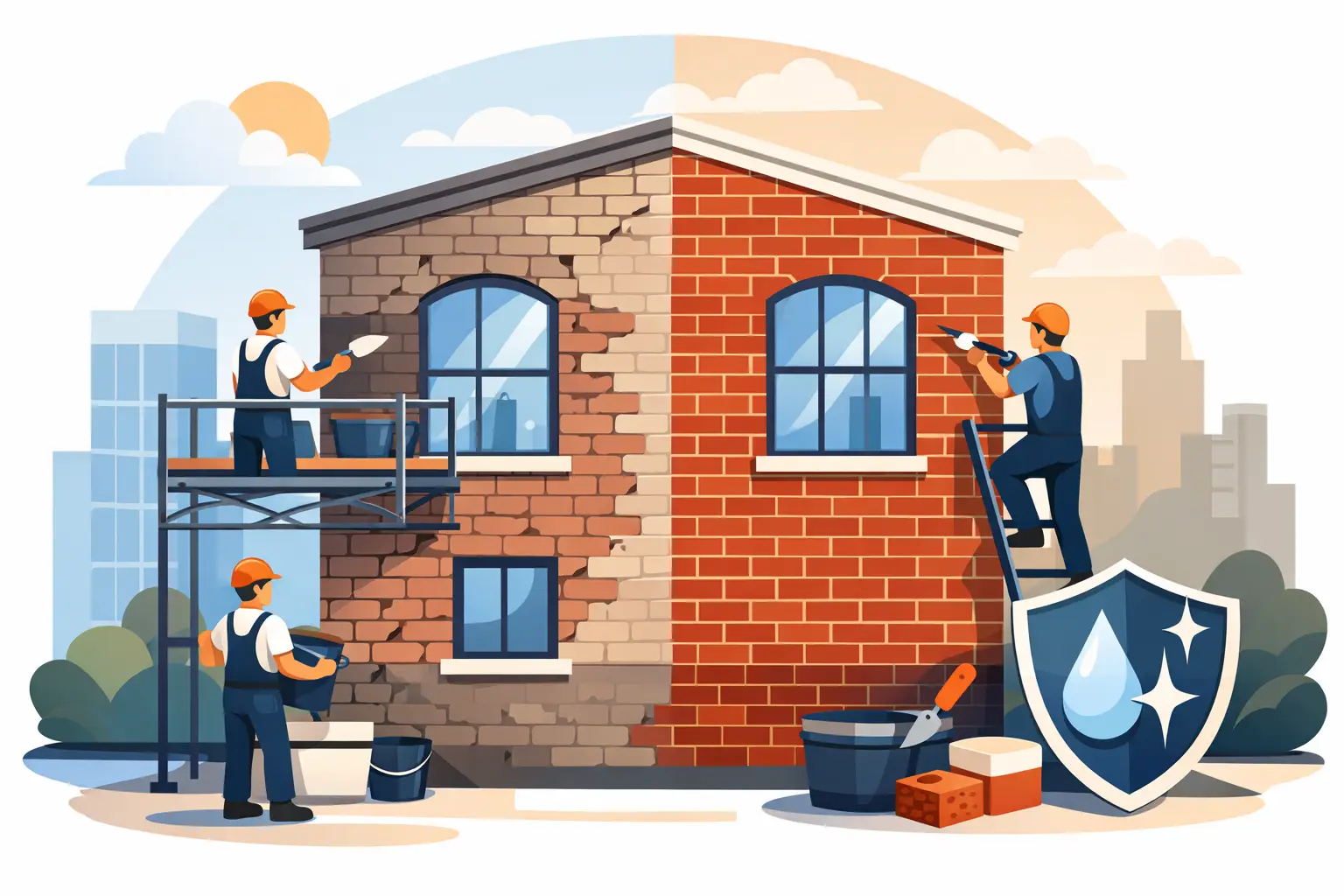
Water rarely stays where it lands. When rain or snowmelt collects beside a foundation, runs across a driveway, or pools at an entrance, it can create damage that is expensive to correct later. Proper site grading and drainage gives water a controlled path away from the areas that need protection most.
For homeowners, that can mean a drier basement, a stronger driveway, and safer walkways. For commercial and industrial properties, it can mean fewer puddles in traffic areas, less pavement deterioration, and a site that remains functional through heavy weather. The work happens below and around the finished surface, but it has a direct effect on how long that surface performs.
Why Site Grading and Drainage Matter
A well-built driveway, patio, parking area, or concrete base depends on more than the visible finish. The ground beneath it must be properly prepared, compacted, and shaped to manage water. If the soil holds moisture, shifts with frost, or slopes toward a structure, even quality paving and masonry can be put under unnecessary stress.
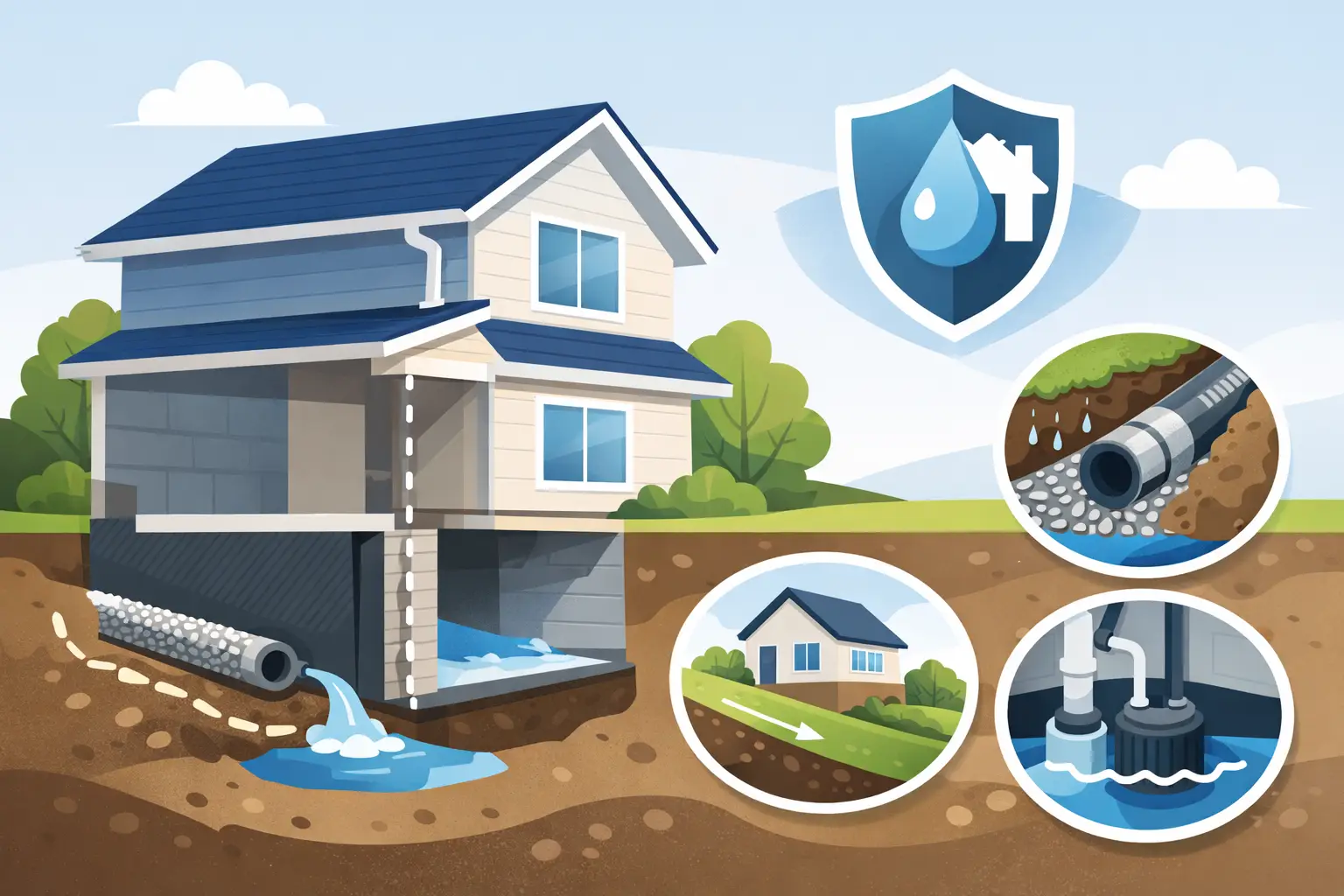
Poor drainage often shows up in familiar ways: standing water after a storm, soil washing away from edges, cracks that keep returning, damp foundation walls, or a driveway that sinks in certain spots. These are not always surface-level problems. They can point to water moving through the base material, weakening soil, or collecting where it should be draining away.
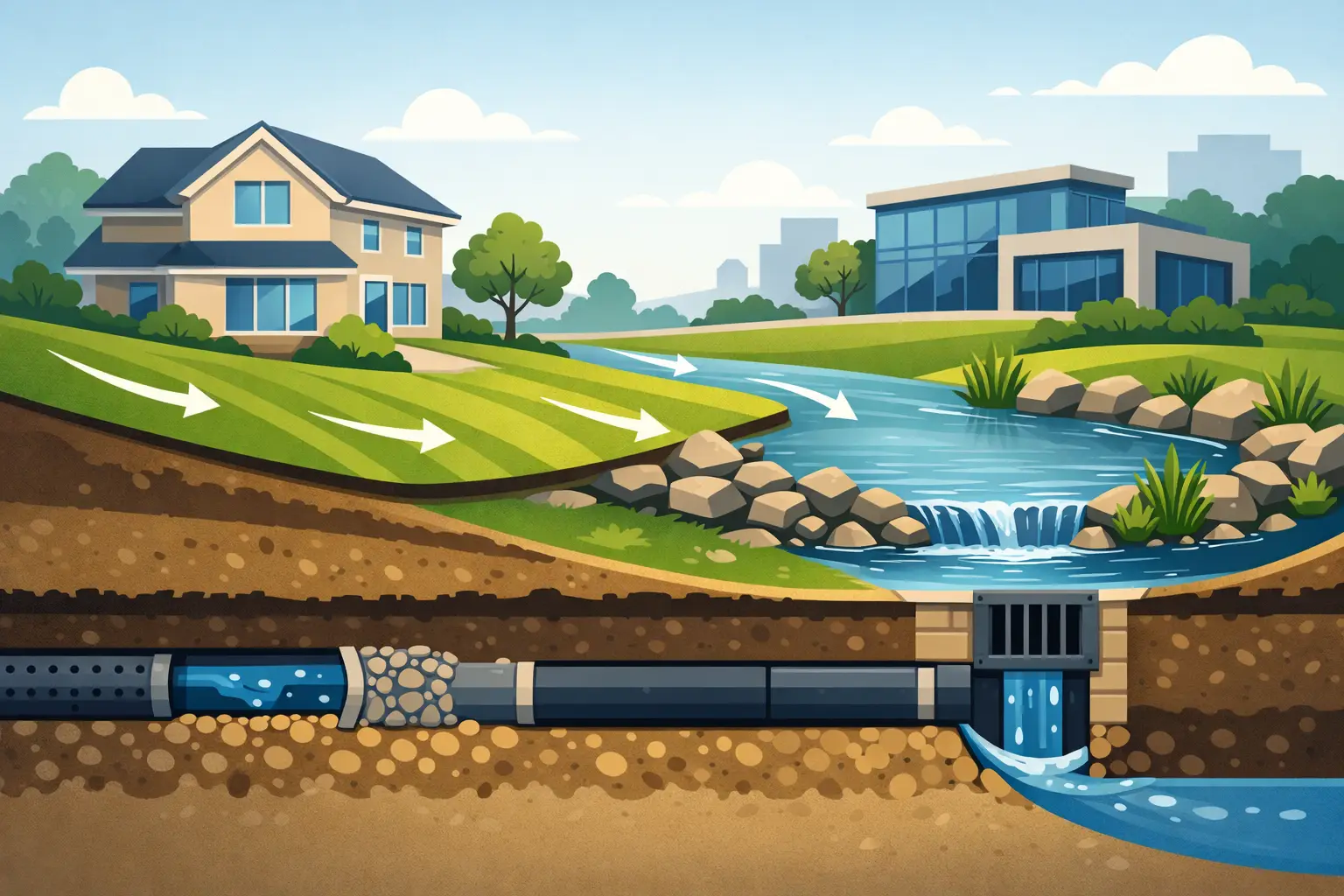
Grading establishes the intended slope of the land. Drainage systems collect, redirect, or release water safely. Together, they protect foundations, paved surfaces, landscaping, retaining walls, and access areas. The goal is simple: keep water moving without sending it toward neighboring properties, building entrances, or low spots on the site.
What Proper Site Grading Looks Like
Site grading is the process of shaping land to create stable elevations and reliable runoff. It may involve excavation, adding and compacting fill, leveling an area for construction, or reworking existing slopes that are causing water problems.
Around a house or commercial building, the grade should generally move away from the foundation. The exact slope depends on the property layout, soil conditions, existing structures, local requirements, and where water can safely discharge. A site with limited space may need a more carefully designed drainage solution than an open lot with natural fall toward a suitable outlet.
Precision matters. A surface can look level to the eye while still holding water in a low area. On the other hand, a slope that is too aggressive can create erosion, make paving difficult to use, or direct water too quickly toward another part of the property. Reliable grading balances drainage performance with safe, usable surfaces.
Before installing new asphalt, concrete, pavers, patios, or retaining walls, grading should be addressed first. Building a finished surface over an unstable or poorly sloped base can hide the problem for a short time, but it does not solve it. Water will continue to work underneath the surface until cracking, settlement, or washout becomes visible.
Common Grading Problems
One common issue is a driveway that directs runoff toward a garage or foundation. Another is a patio that appears flat but holds water near the home after every rainfall. On larger sites, parking areas can develop depressions where vehicles repeatedly travel over saturated ground.
Soil type also changes the approach. Clay-heavy soil drains slowly and can expand or contract with moisture changes. Sandy soil may drain faster but can wash away if runoff is not controlled. Properties with steep slopes, retaining walls, older drainage systems, or substantial pavement need an on-site assessment rather than a one-size-fits-all fix.
Drainage Solutions for Different Properties
The right drainage system depends on where water starts, how it moves, and where it can safely go. In some cases, correcting the grade is enough. In others, surface and subsurface drainage need to work together.
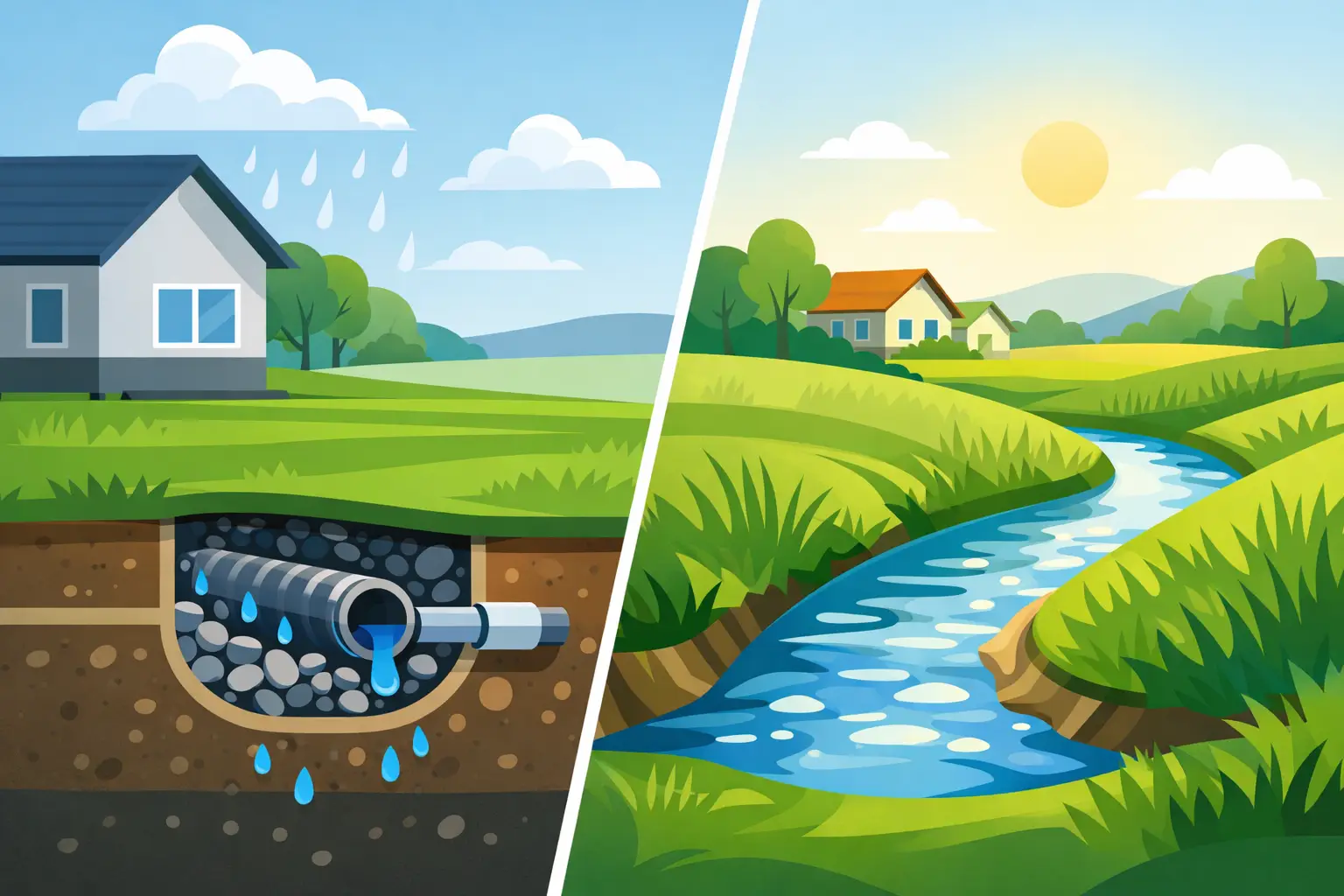
A French drain can help collect groundwater or runoff below the surface and move it away through perforated pipe and clean stone. This can be useful along foundations, at the base of slopes, or in areas where soil stays saturated. Catch basins are often installed at low points in driveways, parking lots, and paved yards to capture surface water before it pools.
Channel drains are a practical option at garage entrances, walkways, loading areas, and transitions between paved surfaces. They collect water in a narrow trench-style drain and direct it to an appropriate outlet. Downspout extensions may also be part of the solution when roof runoff is being discharged too close to the building.
Retaining walls can play a role in water management as well. A retaining wall holds back soil, but it also needs proper drainage behind it. Without drainage stone, filter fabric, and a way for water to escape, pressure can build behind the wall. That pressure can lead to cracking, leaning, or failure over time.
For commercial and industrial properties, drainage planning must account for traffic loads and operating needs. Drain covers, basins, and piping must be selected and installed to handle the conditions around them. A drainage solution that works in a garden area may not be suitable beside delivery trucks, heavy equipment, or frequent vehicle traffic.
How Grading Protects Pavement and Concrete
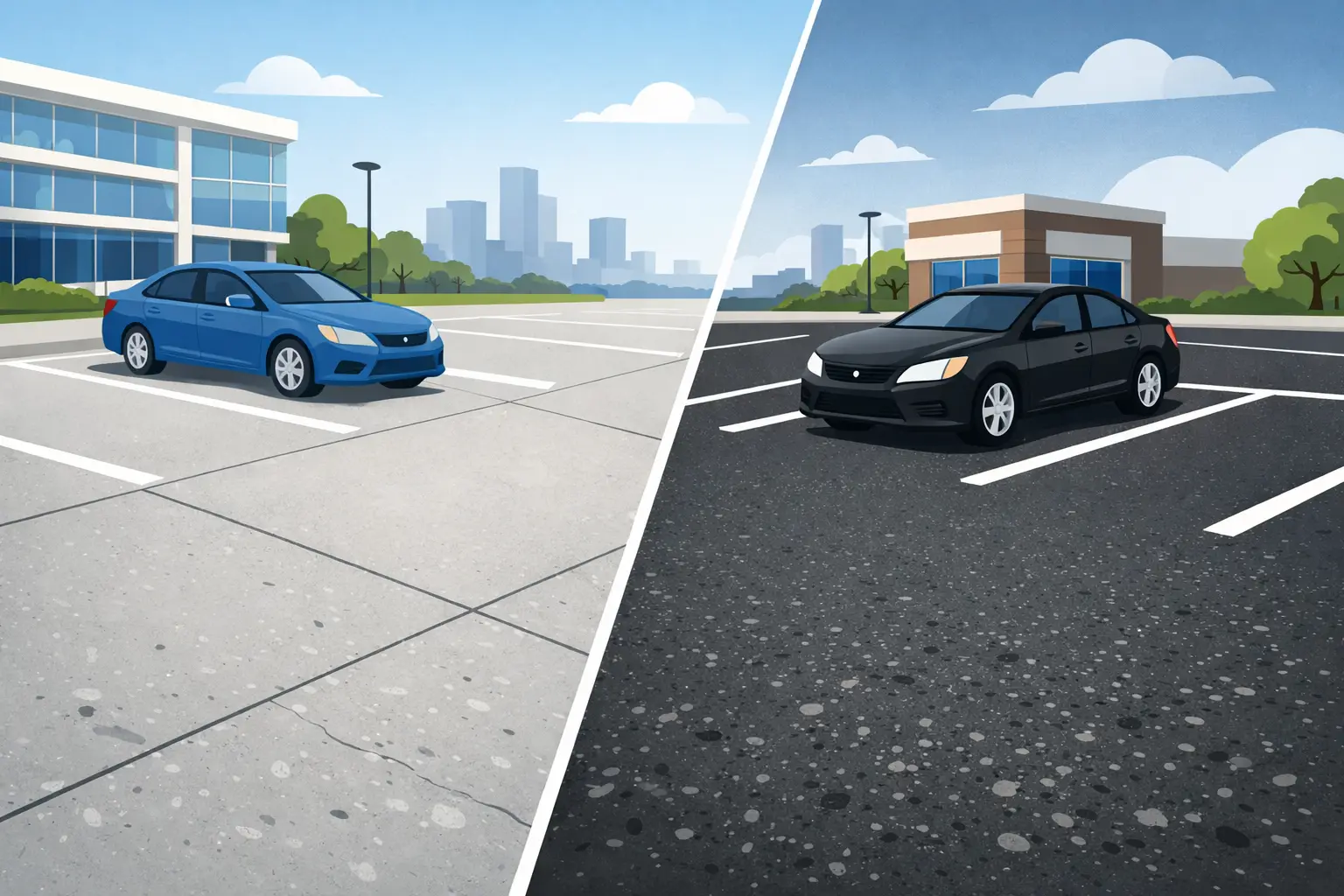
Water is one of the main causes of pavement failure. When it reaches the base beneath asphalt or concrete, it can soften the subgrade and reduce support. Traffic then causes the weakened area to move, which can lead to cracks, potholes, rutting, and settlement.
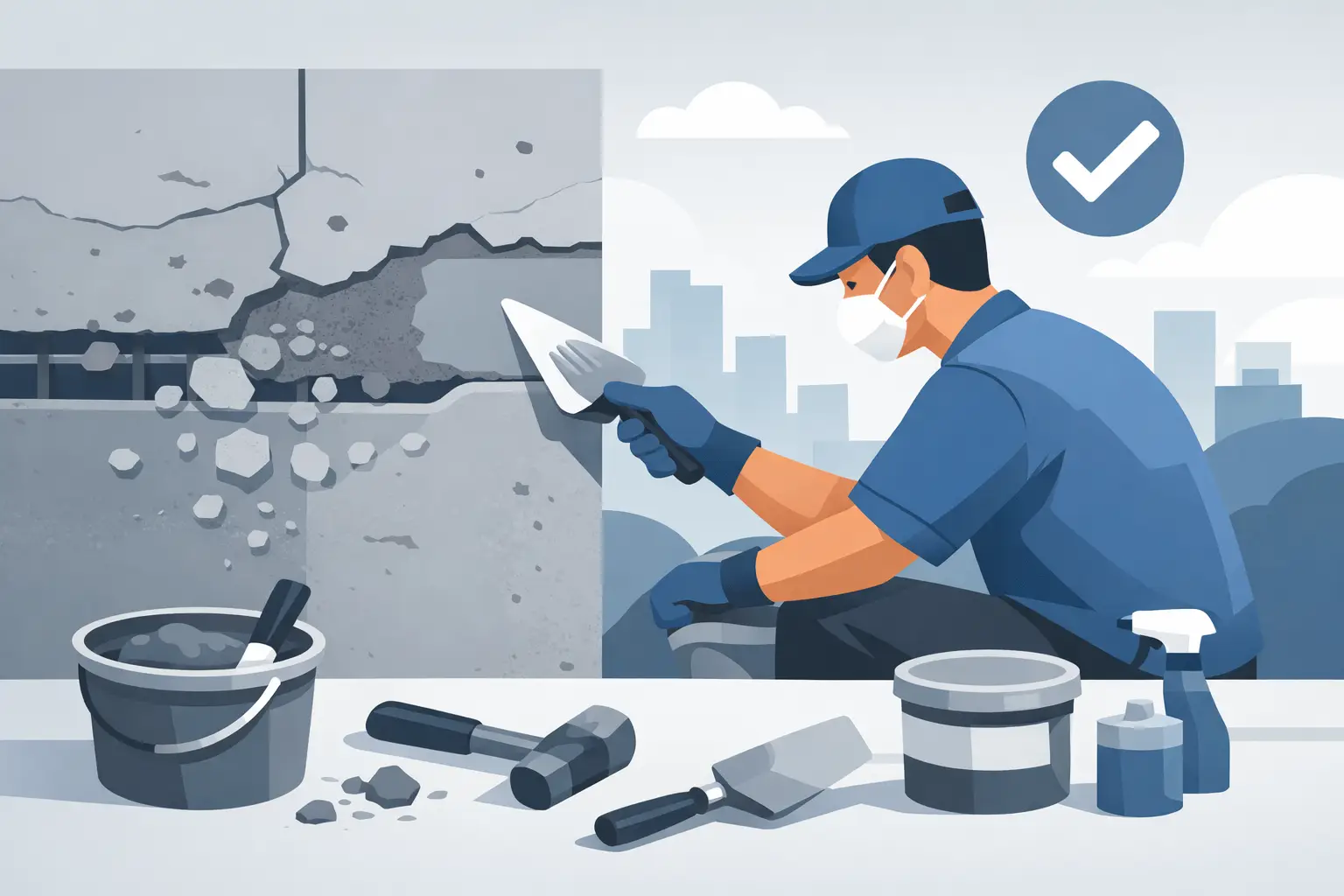
Freeze-thaw weather adds another challenge. Water that enters cracks or gaps can freeze, expand, and force the material apart. Once the surface opens, more water can enter. This cycle turns small defects into larger repairs if it is not addressed promptly.
A durable driveway or parking area starts with excavation to the correct depth, a properly compacted aggregate base, and grading that promotes runoff. The finished surface also needs the right pitch. Water should not sit along edges, against curbs, near garage doors, or in wheel paths.
The same principle applies to concrete patios, walkways, and steps. A slight, deliberate slope helps direct water away from structures while keeping the area comfortable and safe to use. Proper joints, edge support, and drainage around the surrounding soil help protect the finished concrete from movement and cracking.
Signs Your Property May Need Drainage Work
Some warning signs are obvious, while others develop gradually. Repeated water pooling, wet areas that do not dry out, and runoff flowing toward a building should be evaluated quickly. Water staining on foundation walls, basement moisture, and erosion near downspouts can also indicate that the grade or drainage path needs correction.
Pay attention to changes in paved surfaces. New cracks, sinking sections, loose pavers, crumbling edges, or potholes that return after repair may be connected to a drainage issue below. Repairing only the visible damage can be a short-term fix if the base remains wet and unstable.
A professional assessment is especially worthwhile before a new driveway, patio, foundation repair, retaining wall, or commercial paving project. Addressing water control during site preparation is generally more efficient than tearing out finished work later to reach the problem underneath.
A Reliable Process Starts Below the Surface
Quality site work begins with a clear look at the property. The contractor should identify high and low points, existing runoff patterns, soil conditions, nearby structures, and any areas that must remain accessible during construction. From there, the work may include excavation, removal of unsuitable material, installation of stone and pipe, compaction, and final grading to prepare for paving, concrete, landscaping, or masonry.
Good workmanship is not just about moving dirt. It is about creating a stable base that performs through rain, snow, daily traffic, and seasonal ground movement. The finished result should look clean, drain properly, and support the work built above it.
ASAP Paving And Masonry provides site preparation, grading, excavation, and drainage work designed to protect the full property, not just the visible surface. A clear on-site evaluation helps determine whether your project needs simple regrading, added drainage, base repair, or a more complete water-management plan.
If water is collecting where it should not, do not wait for the next crack, washout, or damp basement wall to make the decision for you. A properly graded site gives every driveway, patio, foundation, and retaining wall a stronger place to stand.